Introduction
Federal prosecutors have served grand jury subpoenas on the American Federation of Teachers and a University of Michigan labor local, expanding a criminal investigation into pro-Palestine campus demonstrations to include major national labor organizations. The requests emerged in late 2026 as twelve student activists face felony allegations connected to protests at the university.
What Happened
In August, the national headquarters of the American Federation of Teachers received a grand jury subpoena tied to an ongoing federal probe of demonstrations at the University of Michigan. Around the same period, the Graduate Employees' Organization—an AFT affiliate at the school—was also ordered to provide information and testimony. Copies of the subpoenas reviewed in the reporting indicate prosecutors are seeking membership lists, payroll details for officers, reimbursement policies, audit reports, and complete meeting minutes from the local dating back to January 2023.
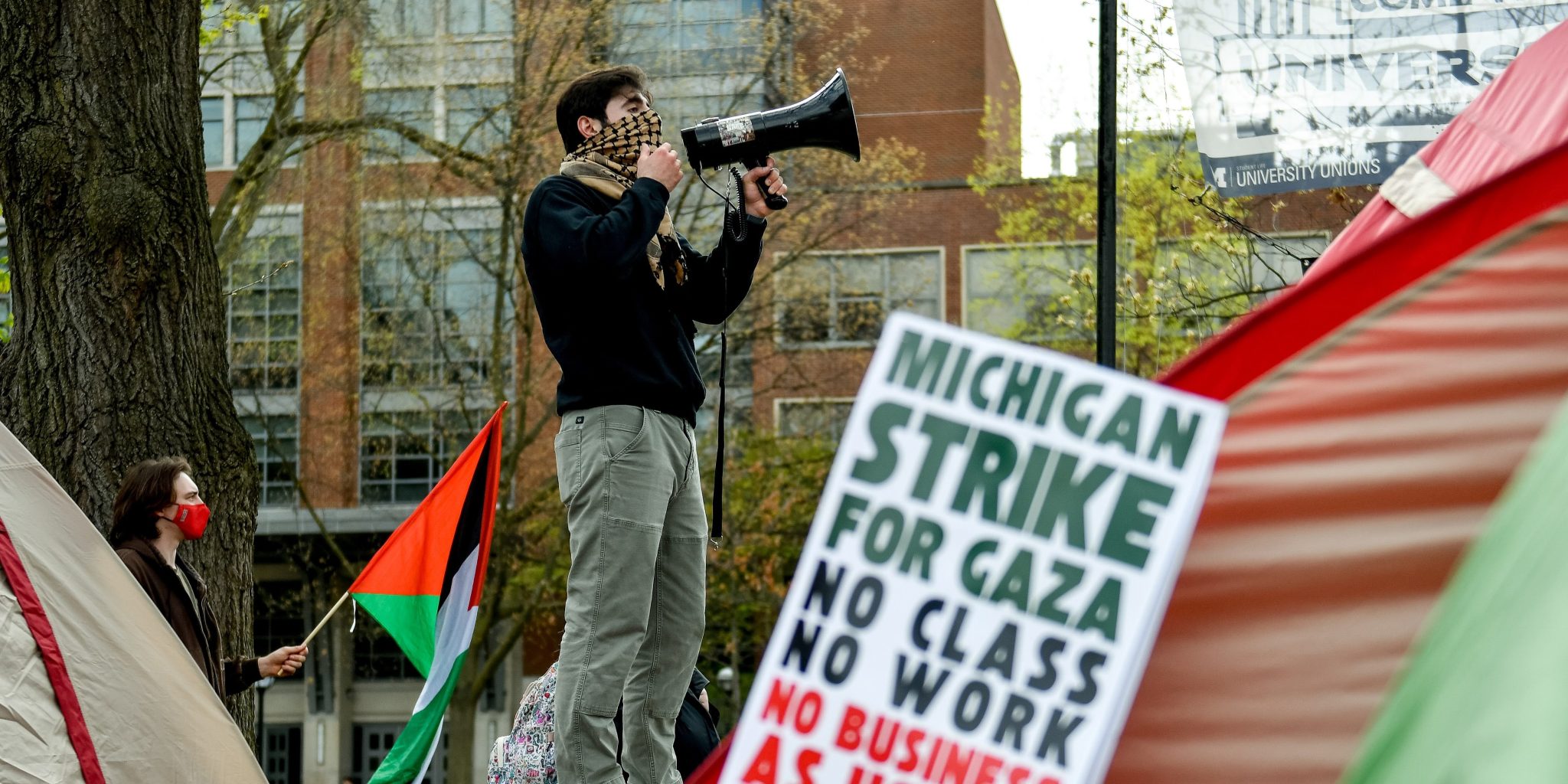
The investigation focuses on twelve pro-Palestine demonstrators, sometimes called the Michigan 12, who face felony charges including alleged vandalism. Federal filings describe the protests as part of a campaign to pressure university officials to divest from holdings linked to Israel's military campaign in Gaza. The subpoenas were requested by federal prosecutor Margaret Smith with assistance from FBI agent Kara Phipps. The Department of Justice declined to comment on the matter.
The timing intensified the controversy. The subpoenas arrived on the same day that a felony embezzlement charge against Hiab Teshome, then president of the GEO, was dismissed by a judge. Local prosecutors, working alongside University of Michigan police, had accused Teshome of misusing union funds to purchase laptops for a campus group. A university student government later cleared her of wrongdoing.
Why This Matters
Legal experts and labor advocates say the subpoenas mark a significant escalation in the federal government's approach to political dissent. Natalie Chen, communications director for the GEO, said prosecutors are using conspiracy language to draw in organizations that oppose administration policies. Xavier de Janon, executive director of the National Lawyers Guild, noted that while grand jury subpoenas have historically targeted social movements, the breadth of these requests—reaching well beyond the individuals accused—raises serious concerns about government overreach.
The AFT represents more than 1.7 million members across roughly 3,000 local chapters, so the government's demand for records could affect a vast network of educators and staff. Teshome argued that targeting the national union appears intended to bypass the local chapter and obtain membership data that the GEO is fighting to protect. She also linked the Michigan case to a broader federal directive, National Security Presidential Memorandum-7, which critics say is being used to criminalize left-wing organizing.
Key Takeaways
- A federal grand jury subpoena was sent to the American Federation of Teachers headquarters as part of a University of Michigan protest investigation.
- The GEO, an AFT local at the university, received a similar demand for records and testimony.
- Prosecutors are seeking membership rolls, payroll records, audits, and meeting minutes from the local dating back to 2023.
- Twelve pro-Palestine student activists face felony charges in the underlying case.
- The subpoenas arrived the same day a separate felony charge against GEO president Hiab Teshome was dismissed.
- The GEO has moved to quash the subpoena; the national AFT has not publicly stated whether it will comply.
Conclusion
The subpoenas against the AFT and GEO illustrate how a criminal case centered on alleged property damage has grown into a wide-ranging examination of labor and activist networks. With the GEO already challenging the order in court and the national union's response still unclear, the outcome could set a precedent for how much access federal investigators gain to the internal affairs of unions involved in political protest. For student activists and labor organizers, the case raises urgent questions about privacy, freedom of association, and the limits of grand jury power in politically charged investigations.
Discussion
Join the conversation
Thoughtful reactions, questions, and follow-up ideas help shape the next story.