Introduction
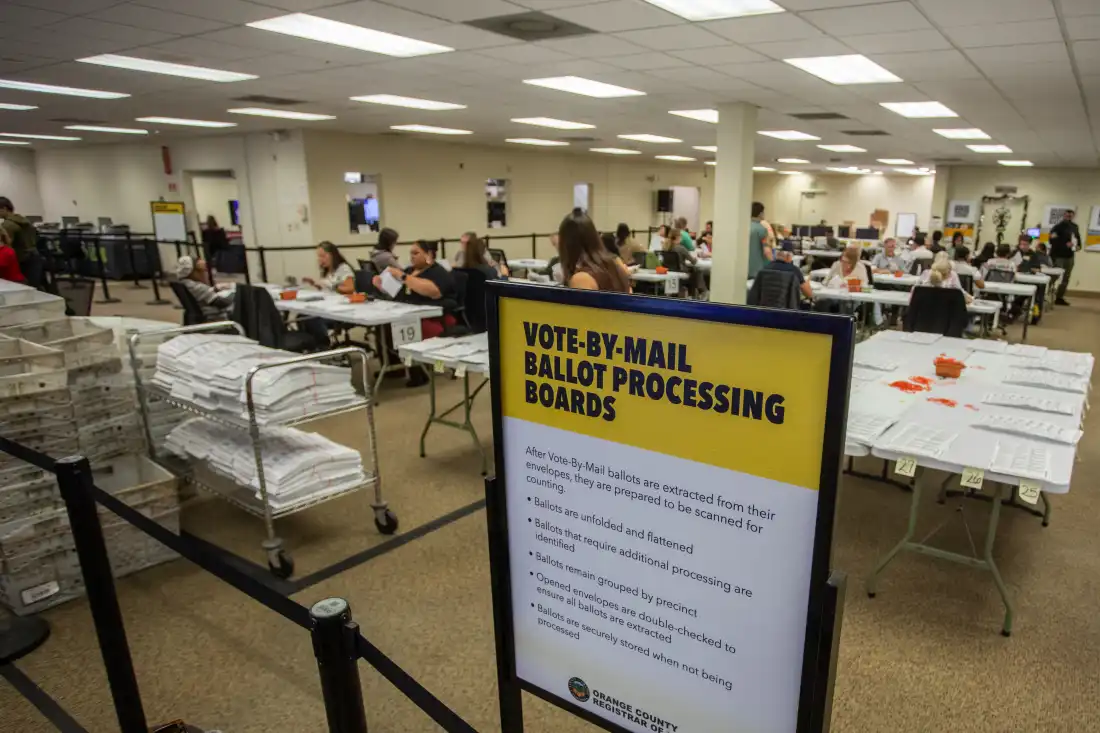
A federal court has intervened in a high-stakes California election, blocking the Justice Department's attempt to halt ballot processing just days before voters head to the polls. The ruling comes as tensions over election integrity and voting eligibility reach a fever pitch.
What Happened
A federal judge has rejected the Justice Department's emergency bid to set aside over 20,000 California ballots that officials flag as likely belonging to noncitizens. State election officials pushed back, arguing the list is unreliable and that pausing processing so close to Election Day would disenfranchise eligible voters and violate established procedures. The judge, a Clinton appointee, issued a 26-page ruling warning that segregating votes at this stage could cause lasting damage to the democratic process.
Why This Matters
The decision underscores the fragile balance between federal enforcement priorities and state control of elections as the nation approaches a critical voting period. A judge's warning that once ballots are set aside the harm is irreversible highlights the high stakes of allowing executive branch actions to override state election systems on unproven claims. Legal experts suggest the case could ultimately reach the Supreme Court, setting precedent for how future election disputes are resolved.
Key Takeaways
- A federal judge denied the DOJ's request to halt processing of over 20,000 California ballots
- The likely noncitizen list includes many U.S.-born residents, according to county analysis
- DOJ can still pursue criminal charges against individuals accused of illegal voting
- The ruling prevents immediate disruption to ballot counting already underway
- The case may escalate to the Supreme Court, shaping future federal-state election conflicts
Conclusion
With the judge's ruling, California election officials can continue processing ballots without federal interference for now. The decision reaffirms the difficulty of overriding state election systems on short notice and highlights the ongoing tension between election integrity and voter access in a polarized political climate.






Discussion
Join the conversation
Thoughtful reactions, questions, and follow-up ideas help shape the next story.