Introduction
FG has pushed back against a World Bank analysis suggesting Nigeria's interest payments now consume 124% of its revenue. Officials argue the figure presents a distorted picture by using an incomplete revenue base and counting debt obligations across multiple government tiers.
What Happened
According to the World Bank's October 2026 Nigeria Development Update, interest payments reached N7.7 trillion in the first half of 2026, up from N5.6 trillion a year earlier. The bank stated this gulped 124.19% of federal government revenue. However, the Ministry of Finance disputes this calculation, noting that the ratio excludes independent revenue earned by agencies and enterprises, and includes debt serviced on behalf of state and local governments.
Ministry data shows federal revenue rose 72% year-on-year to N6.2 trillion in H1 2026, compared with N3.6 trillion in the same period of 2025. Interest payments increased 38% to N7.7 trillion, narrowing the gap between revenue and debt costs from N2 trillion to N1.5 trillion. The ministry argues that revenue is growing nearly twice as fast as interest costs, contributing to a 32-percentage-point decline in the interest-to-revenue ratio.
Why This Matters
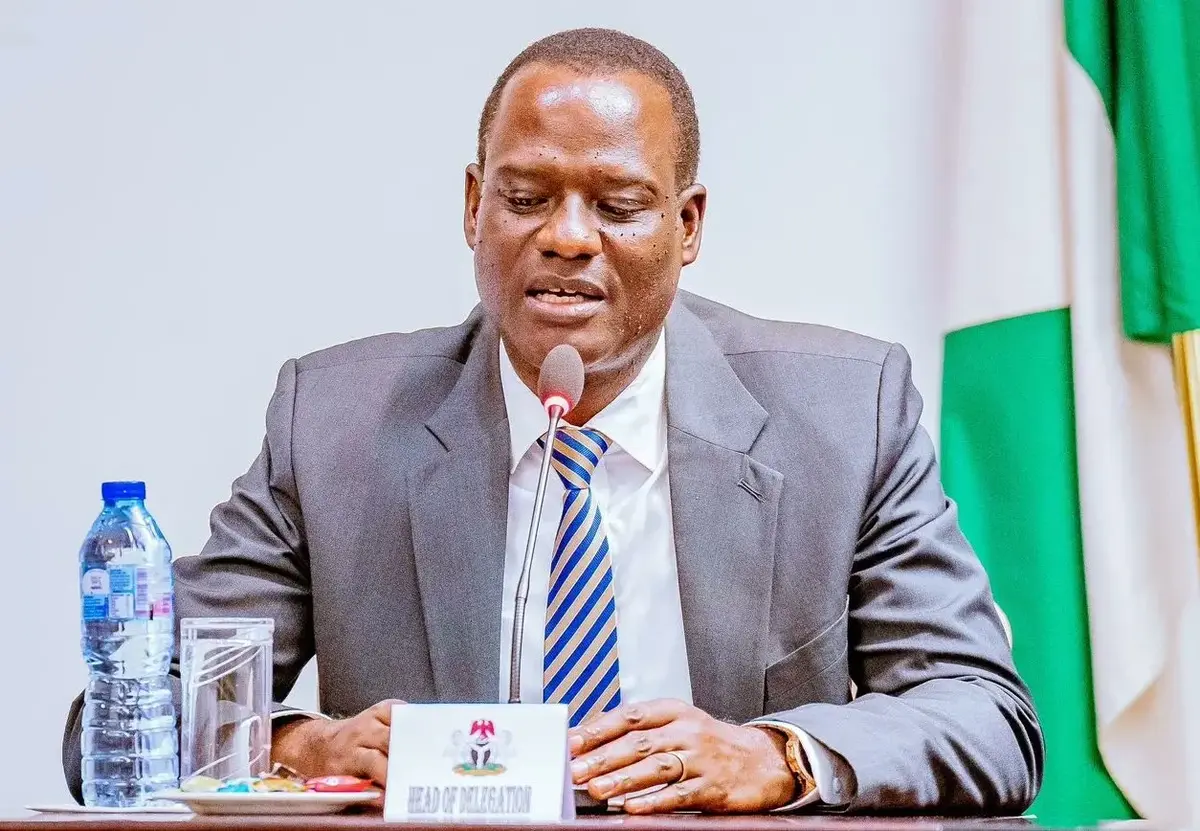
The dispute matters because how debt sustainability is measured shapes fiscal policy, investor confidence, and international perception. The World Bank's 124% figure has already attracted global attention, but the government says it ignores key context such as second-half revenue spikes and multitier debt responsibilities. Minister Taiwo Oyedele referenced the administration's Nigeria Rising narrative at the 2026 IMF-World Bank Meetings in Thailand, framing the reforms as a shift toward sustainable growth and shared prosperity.
Key Takeaways
- The World Bank reported interest payments at 124.19% of federal revenue in H1 2026, but the Federal Ministry of Finance calls the metric misleading.
- Federal revenue grew 72% year-on-year to N6.2 trillion, while interest payments rose 38% to N7.7 trillion.
- The ministry argues that using full-year figures shows Nigeria's debt-service-to-revenue ratio below 60% in 2025, down from 97% before reforms.
- Projections indicate total debt service will amount to about 46% of revenue in 2026, a more comprehensive benchmark.
- FG's fiscal reforms and stronger revenue collection are cited as evidence of improved debt dynamics and growing international interest.
Conclusion
The Federal Government's pushback highlights the importance of context when assessing debt sustainability. While the World Bank's half-year figure signals immediate pressure, official data suggests an improving trajectory driven by revenue growth and reform measures. As Nigeria continues its fiscal overhaul, the coming months will likely determine how these figures influence both domestic policy and international investor sentiment.







Discussion
Join the conversation
Thoughtful reactions, questions, and follow-up ideas help shape the next story.