Introduction
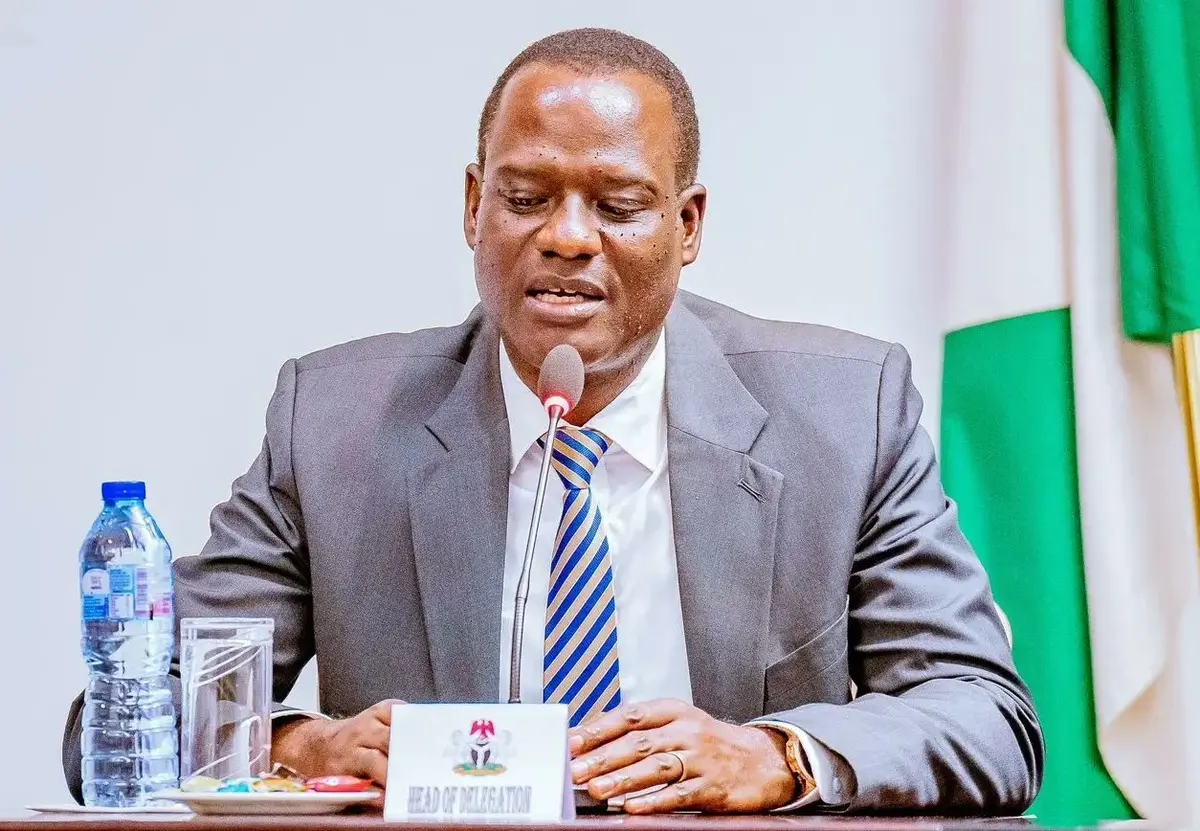
Nigeria's Finance Minister Taiwo Oyedele has firmly denied allegations that the government plans to introduce a fuel tax, calling the reports misleading and insensitive given the nation's economic reality.
What Happened
Oyedele took to his official X account on Tuesday, October 20, 2026, to clarify his recent remarks during an Arise News interview. He stated that a fuel tax is not under consideration and would be inappropriate immediately after the removal of petrol subsidies. The minister emphasized that some online outlets had distorted his comments, twisting them into claims that the government was preparing to tax petrol.
Why This Matters
The fuel tax debate has persisted for years, pitting government revenue needs against the financial burden on ordinary Nigerians. Oyedele's denial comes amid heightened cost-of-living pressures, with civil society groups warning that new taxes could exacerbate inflation. The minister also noted that many African nations already impose multiple taxes on fuel, but timing and context remain critical for households already stretched by rising expenses.
Key Takeaways
- Oyedele denied fuel tax plans via his official X account, labeling distorted reports as fake news.
- He argued that imposing a fuel tax after subsidy removal would be insensitive to Nigerian households.
- The fuel tax controversy has roots dating back to 2004, when former President Obasanjo's proposal sparked mass protests.
- IMF recommendations for new fuel and telecom taxes in June 2026 were criticized by the Alliance for Economic Research and Ethics.
- Civil society warns the measures could deepen cost-of-living pressures amid elevated inflation.
- Global data shows many African countries already apply six to ten different taxes on petroleum products.
- The debate continues over how Nigeria balances revenue generation with citizen welfare.
Conclusion
With the finance minister's clarification, the immediate prospect of a fuel tax appears unlikely, though the broader discussion over Nigeria's fiscal strategy and citizen impact persists. Stakeholders will be watching how the government reconciles revenue needs with economic reality.





Discussion
Join the conversation
Thoughtful reactions, questions, and follow-up ideas help shape the next story.