Introduction
Florida voters recently approved a constitutional amendment that dramatically expands property tax exemptions, and the immediate consequences are becoming clear across the state. While homeowners stand to pay less, municipalities are warning that the loss of billions in local revenue will force them to scale back everything from police and fire coverage to holiday parades and public parks. The shift is already prompting city managers and county commissioners to cancel beloved community events and delay infrastructure projects.
What Happened
Amendment 3, which passed earlier this month, raises the homestead exemption from roughly $51,400 to $150,000 in 2027 and to $250,000 in 2028. It also tightens the annual assessment cap for rental and commercial properties, reducing the maximum allowable increase from 10 percent to 5 percent. School-related property taxes are exempt from the change, but the measure opens the door to eventually eliminating non-school property taxes altogether.
State economists estimate that local governments will lose close to $5 billion in the first year alone, with annual losses reaching nearly $12 billion once the exemption is fully implemented. Because smaller cities and counties rely more heavily on property taxes than larger tourist-driven municipalities, they face the steepest challenges.
In Deltona, City Manager Doc Dougherty announced that the city's Christmas parade has been canceled and that nearly all city events are on hold, with the exception of two self-funded 5K runs. He projected that Deltona must trim more than $12 million from its budget next year, followed by another $5 million the year after, with cumulative cuts exceeding $23 million by 2030. The city is also halting vehicle purchases, ending construction contracts, and suspending professional services.
Elsewhere, Delray Beach has ended funding for its St. Patrick's Day Parade, St. Petersburg is discontinuing its beach trolley, and Brevard County is reviewing potential cuts to park maintenance, mosquito control, athletic fields, youth sports, and playground repairs. Manatee County Commissioner George Kruse warned of a lasting structural change, estimating $63 million less in revenue next year and $113 million less the year after.
Why This Matters
The revenue shortfall is not a temporary dip tied to an economic cycle. Local officials describe it as a permanent change in how government operations are funded. When facilities close or staff positions are reduced, they may not return. Kruse emphasized that a delayed capital project now effectively means a canceled one.
The burden is unlikely to fall evenly. Reductions in services tend to affect residents who rely most on affordable public amenities, even as voters in places like Manatee County signaled they accepted those trade-offs in exchange for lower property taxes. At the same time, Kruse noted that shifting development toward denser rental housing could ease infrastructure costs but might also constrain housing supply and push prices and rents higher—undermining the affordability goals the amendment was meant to support.
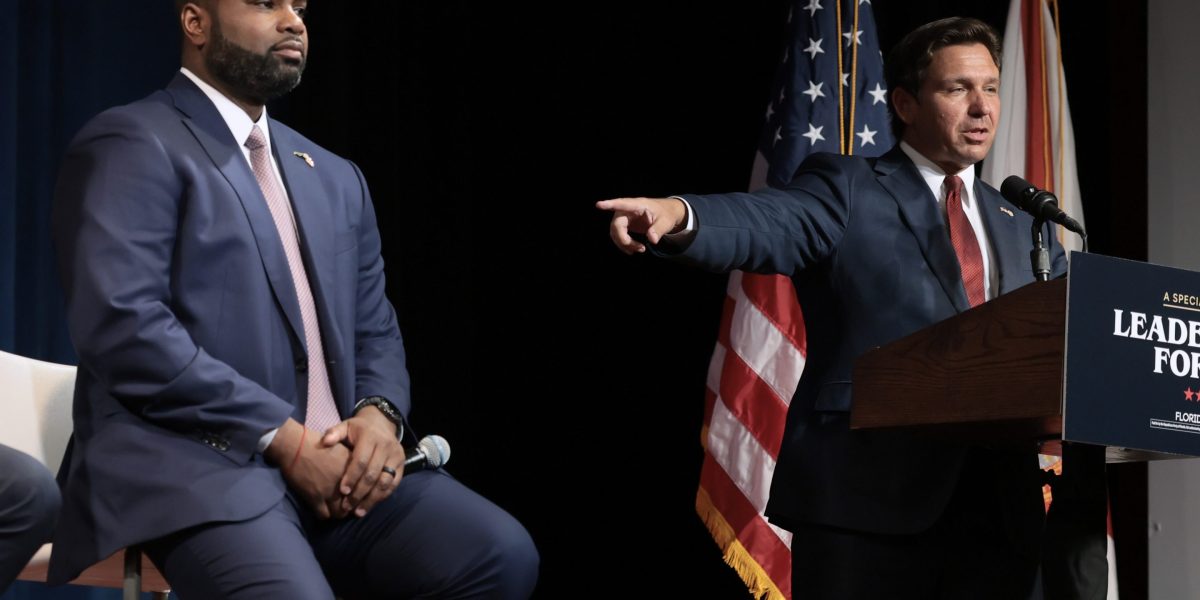
Outgoing Governor Ron DeSantis, who supported the measure, has dismissed concerns as overblown and suggested state grants could help fill gaps. However, legislative leaders have indicated a special session may not be needed, leaving incoming Governor Byron Donalds to manage the fallout while DeSantis urges lawmakers to block new local taxes and fees.
Key Takeaways
- Florida's Amendment 3 expands the homestead exemption to $150,000 in 2027 and $250,000 in 2028.
- Local governments face nearly $5 billion in first-year revenue losses and about $12 billion annually once fully phased in.
- Deltona is canceling its Christmas parade and most city events while cutting more than $23 million by 2030.
- Other communities are ending parades, trolley services, and cutting parks, mosquito control, and youth programs.
- Officials describe the change as an enduring structural change rather than a temporary budget cycle.
- State leaders have not yet provided a detailed plan to offset local losses, leaving the next governor to address the shortfall.
Conclusion
Florida's decision to sharply reduce property tax revenue is moving quickly from theory to practice. As cities cancel parades, suspend trolley routes, and reconsider basic services, residents are getting a concrete look at what lower taxes mean for daily life. Whether state leaders step in with replacement funding or allow local governments to absorb the losses will shape communities across the state for years to come.
Discussion
Join the conversation
Thoughtful reactions, questions, and follow-up ideas help shape the next story.