Introduction
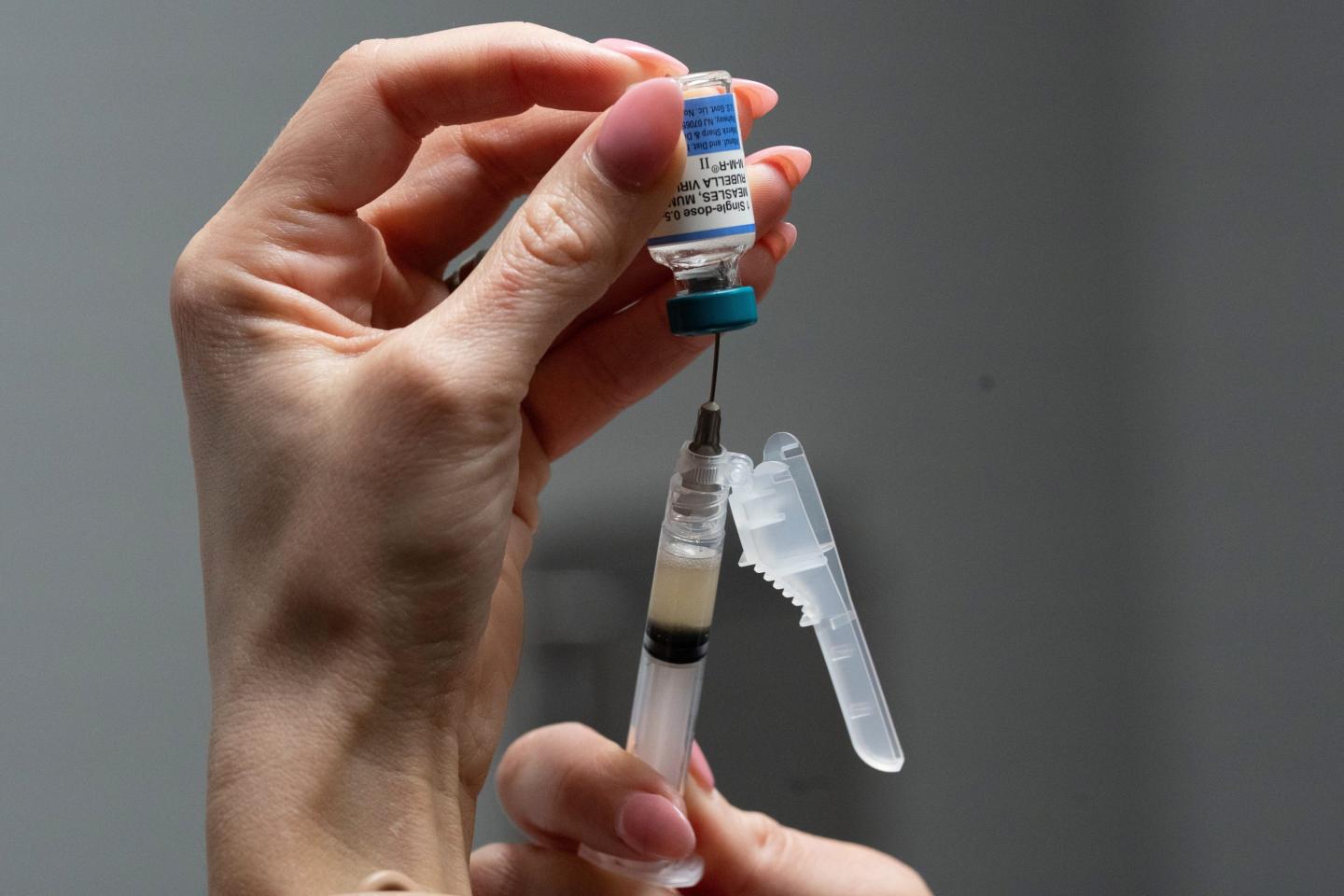
Florida lawmakers are weighing a proposal to remove four vaccine requirements for school and childcare entry—Hib, chickenpox, pneumococcal, and hepatitis B. The move comes as the state faces a measles surge and a kindergarten vaccination rate that falls short of the level needed to protect communities. An epidemiologist warns that the luxury of forgetting disease severity could lead to a generation of under-vaccinated children.
What Happened
In October 2026, the Florida Department of Health held a hearing on a plan to eliminate mandates for four vaccines that have been standard for decades. Hib, chickenpox, pneumococcal, and hepatitis B vaccines entered widespread use between the early 1980s and 2000, dramatically reducing invasive infections, hospitalizations, and deaths among American children. The proposal would not ban the vaccines, but it would lift school entry requirements, potentially lowering coverage rates. Compounding the concern, Florida removed county-level measles data from its website in May 2026, and no statewide dashboard now tracks current case counts. An outbreak at Ave Maria University infected at least 62 people, and the state reported 162 measles cases by October 2026—the most recent available data.
Why This Matters
Vaccination requirements help establish herd immunity, the community-level protection that shields children who cannot be vaccinated due to age or medical conditions. When rates drop, infections can spread rapidly. Historical data underscores the stakes: before the Hib vaccine, nearly 20,000 American children under five suffered invasive infections annually, with meningitis killing between 3% and 6% and leaving 15% to 30% of survivors with brain damage or deafness. Chickenpox once sent 10,500 to 13,500 children to the hospital each year, with 100 to 150 deaths, and exposed survivors to lifelong risk of shingles. Pneumococcal disease caused roughly 17,000 invasive infections, 700 meningitis cases, and 200 deaths annually in young children, plus millions of ear infections. Hepatitis B, especially when transmitted from mother to baby, carries a 90% chance of becoming chronic, leading to cirrhosis or liver cancer decades later. Experts warn that lifting mandates could reverse decades of progress and leave vulnerable children exposed.
Key Takeaways
- Florida proposes removing mandates for Hib, chickenpox, pneumococcal, and hepatitis B school requirements.
- Measles has resurfaced with 162 cases, and kindergarten MMR vaccination stands at 88.9%, below the 95% herd immunity threshold.
- Four vaccines have reduced childhood invasive diseases by up to 99% since introduction.
- Removing mandates may reduce coverage and increase outbreak risk, especially in undervaccinated communities.
- Historical disease burden shows the real-world impact before vaccines were standard.
Conclusion
The proposed removal of four school vaccine mandates in Florida highlights a growing disconnect between current parents and the diseases vaccines prevent. While the move would not eliminate access to vaccines, it weakens a key policy tool for maintaining high coverage. As measles spreads and tracking systems falter, the experience of a generation that never saw Hib meningitis or chickenpox hospitalizations serves as both a success story and a caution. Sustaining vaccine requirements remains essential to protecting the most vulnerable and preventing a return to preventable disease tragedies.





Discussion
Join the conversation
Thoughtful reactions, questions, and follow-up ideas help shape the next story.