Introduction
A mid-flight attack involving a FlyDubai co-pilot and a cockpit crash axe has drawn global attention to gaps in airline security vetting and fragile regional diplomatic dynamics. The incident, which unfolded aboard a flight bound for Israel, has reignited debates over how thoroughly airlines screen crew members with international backgrounds.
What Happened
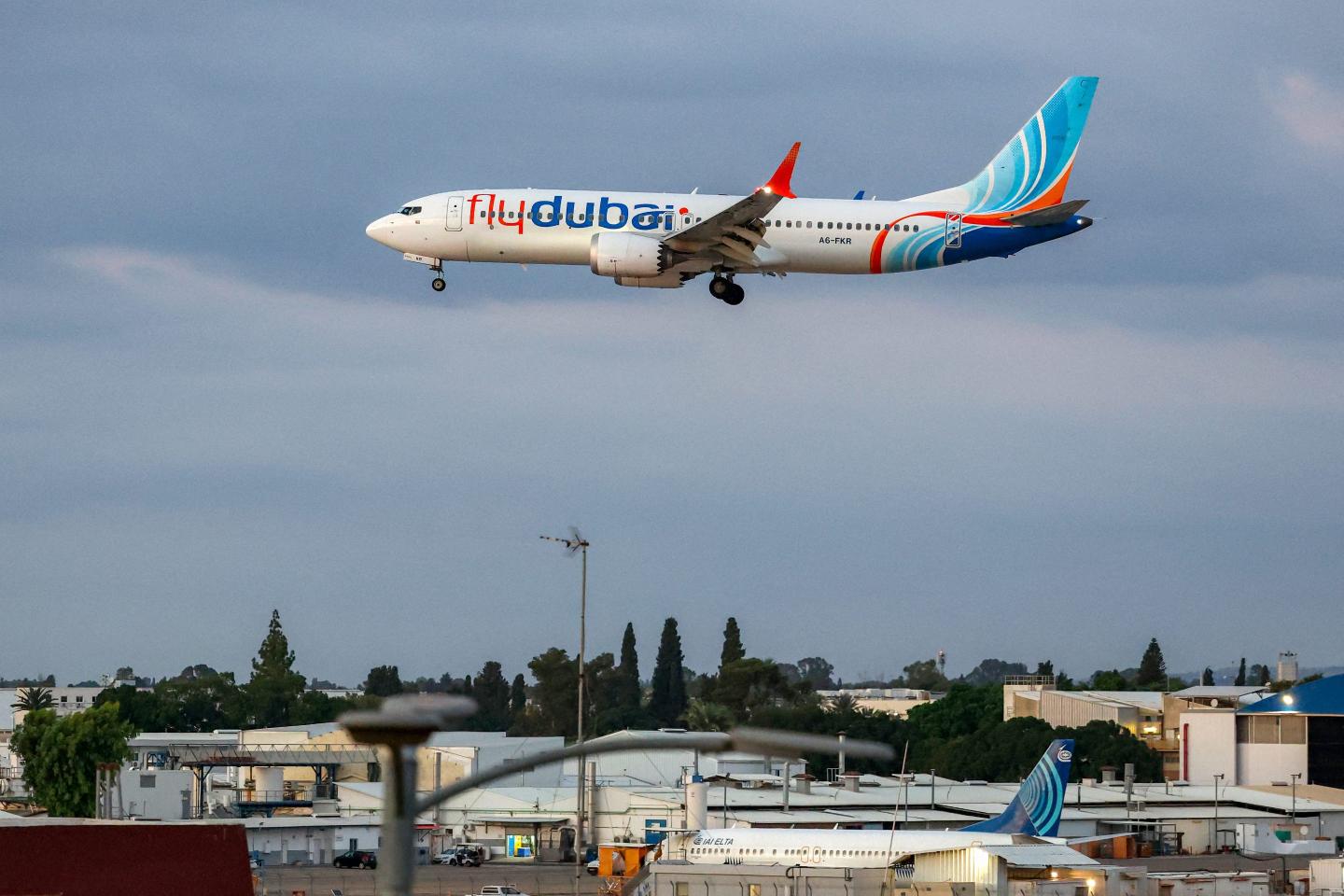
According to officials, the co-pilot, identified as Hamam al-Hammami, allegedly seized a cockpit crash axe and attempted to take control of the aircraft during a flight from Dubai to Israel. Passengers and crew intervened, subduing the pilot as the plane executed an emergency descent. The Boeing 737 MAX 8 made a safe landing in Saudi Arabia after part of its rudder was torn away during the extreme maneuver. All 182 people on board survived, and Israeli passengers were later flown home to cheers.
Why This Matters
The attack has spotlighted concerns about how FlyDubai and other carriers vet employees with ties to nations lacking formal diplomatic ties with Israel. Oman had previously barred the co-pilot from flying for the national carrier due to suspicions about his extremist views, yet he was later hired by the UAE-based airline. Investigators note that security checks appeared to focus on criminal records rather than deeper background assessments for radicalization signals. The incident also coincides with a sensitive period for Israel, occurring just days before the anniversary of the October 7 attacks and weeks before a high-stakes election where security failures are a central issue.
Key Takeaways
- The co-pilot had been previously barred from Oman Air over concerns about radicalization, but FlyDubai hired him despite those red flags.
- No formal diplomatic relations between Israel and Oman raised questions about how the pilot passed through Israeli security protocols.
- Investigators are examining whether the co-pilot acted alone or had connections to extremist groups, with travel to Syria under scrutiny.
- The incident underscores ongoing vulnerabilities in crew background checks and the political complexities of regional air travel.
Conclusion
As aviation authorities and governments review the aftermath, the episode serves as a stark reminder that crew vetting must extend beyond criminal record checks to include deeper background assessments, especially for pilots operating on sensitive international routes. The industry may face renewed pressure to standardize security protocols across borders.



Discussion
Join the conversation
Thoughtful reactions, questions, and follow-up ideas help shape the next story.