Introduction
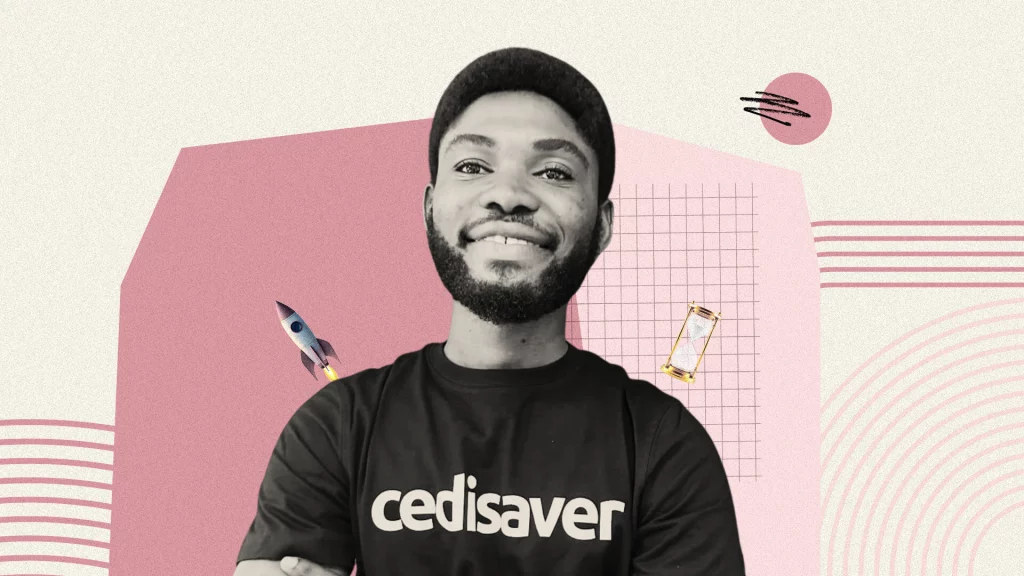
Moriah Adika’s story begins with a personal challenge: a University of Ghana geophysics student who found himself unable to afford a pair of $100 Birkenstocks and struggled to find affordable lecture attire. What started as a campus‑level frustration evolved into a digital solution that now connects thousands of budget‑conscious shoppers across Ghana.
What Happened
Adika launched Cedisaver in January 2023 after teaching himself web development through online tutorials. The platform debuted as a basic web tool, with his university peers serving as the first customers. By the five‑hundred‑day mark, he confronted a classic marketplace dilemma—buyers needed diverse options, while vendors required proof of order volume before committing inventory. Adika pivoted to showcase high‑turnover apparel, demonstrating sales velocity to attract suppliers. Today, Cedisaver averages 6,000 monthly active users and has onboarded 37 informal market vendors, all while remaining completely bootstrapped.
The early growth was driven largely by word‑of‑mouth within campus networks, which Adika credits as the platform’s primary acquisition engine before any paid advertising began.
Why This Matters
Cedisaver tackles a fragmented retail landscape across Africa, where affordable clothing often requires hunting through scattered thrift stalls and scattered social‑media vendors. By consolidating these options into a single platform with doorstep delivery, the startup reduces friction for budget‑focused consumers. Its bootstrapped trajectory also offers a blueprint for founder‑led growth without external capital, proving that strong unit economics and strategic vendor onboarding can sustain scale.
Key Takeaways
- Self‑taught coding via YouTube can launch a functional tech product without formal training.
- Early adopters from within a founder’s immediate network provide critical validation and momentum.
- Resolving the chicken‑and‑egg marketplace dilemma often requires proving demand before expanding vendor participation.
- Bootstrapped startups can achieve thousands of monthly users by prioritizing fiscal discipline and organic growth.
- Consolidating fragmented retail improves accessibility and reduces search time for budget shoppers.
Conclusion
Cedisaver’s journey from a $100 sandal wish to a functioning marketplace illustrates how personal pain points can spark broader solutions. Adika’s focus on unit economics, strategic vendor onboarding, and organic user growth positions the platform for continued expansion within Ghana’s evolving digital retail ecosystem. Whether it pursues external funding or stays bootstrapped, the core mission—making affordable fashion accessible—remains firmly rooted.


Discussion
Join the conversation
Thoughtful reactions, questions, and follow-up ideas help shape the next story.