Introduction
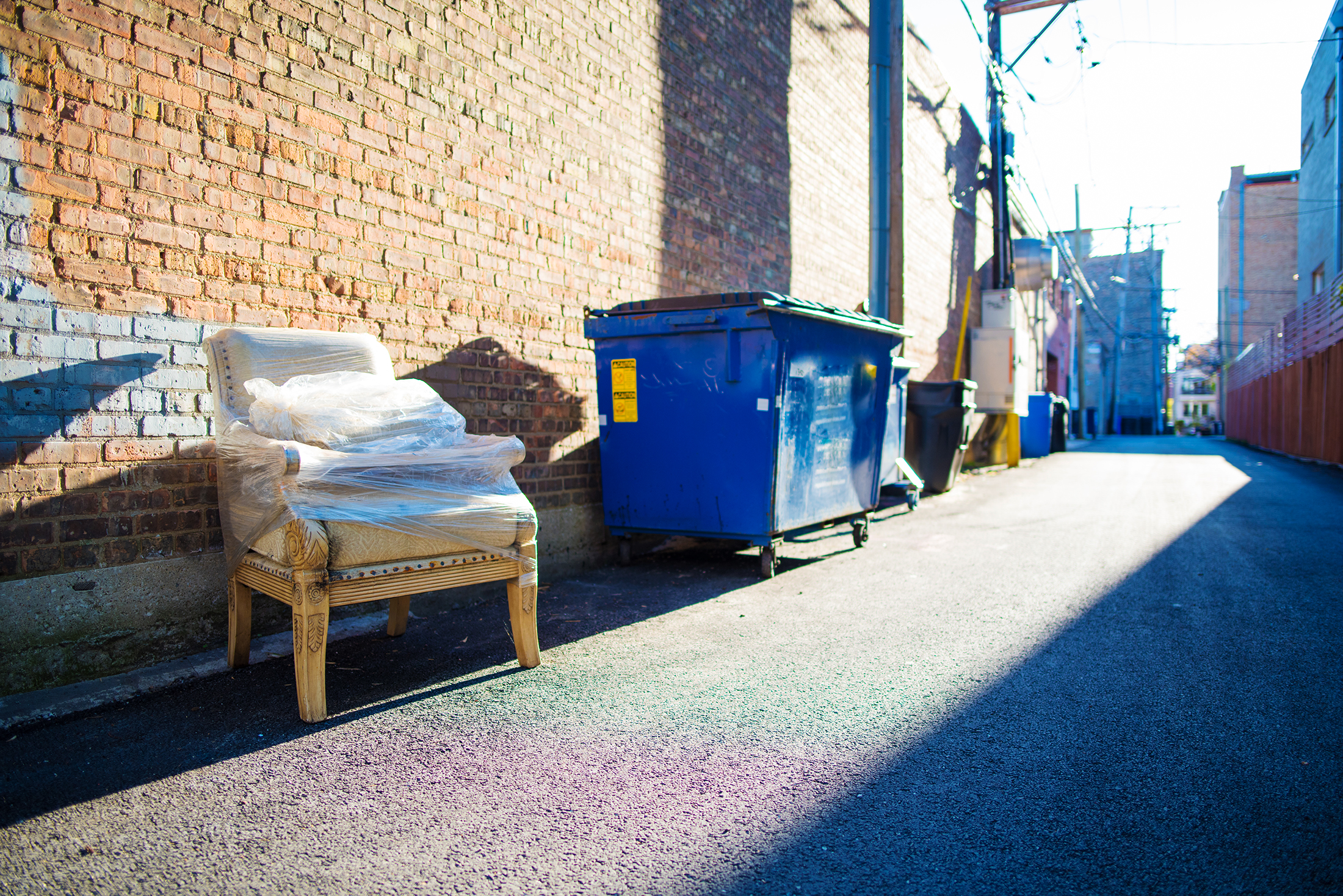
Carter Stevens was facing roughly $12,000 in personal debt and a stretch of instability that included time living out of his car. Today, the 31-year-old Nashville resident operates a resale business built almost entirely on items other people discarded. Over one year, he generated approximately $140,000 in sales by reclaiming furniture, electronics, and unexpected collectibles from commercial and residential trash bins.
What Happened
Stevens launched his scavenging operation in March 2024. He concentrates his routes around office parks and upscale apartment complexes, where move-outs and upgrades often send usable goods to the dumpster. After collecting items, he cleans them and lists them on eBay and Facebook Marketplace.
His finds have included Persian rugs, iPads, West Elm furniture, and even samurai swords. One standout discovery was a batch of 190 Steelcase office chairs left beside an overflowing container; he eventually sold the entire lot for $27,600.
Why This Matters
The example shows how discarded consumer goods can represent real income for someone willing to invest time and labor. It also highlights the volume of usable material that businesses and households throw away. Stevens has described the scale of waste he encounters as staggering.
Key Takeaways
- Stevens started his dumpster-diving business in March 2024 while carrying about $12,000 in debt.
- He reports roughly $140,000 in sales over the following 12 months.
- Common finds include office chairs, rugs, tablets, brand-name furniture, and rare items such as swords.
- His largest single haul consisted of 190 Steelcase chairs sold for a combined $27,600.
- He sells cleaned items primarily through eBay and Facebook Marketplace.
- Because much of his revenue came from a few large discoveries, he is saving aggressively and exploring real estate wholesaling as a more predictable backup plan.
Conclusion
Stevens’ experience shows that unconventional side hustles can produce serious cash flow, but they are not guaranteed to last. He is treating the windfall as an opportunity to build savings and develop a steadier business path. For anyone considering a similar route, the lesson is straightforward: discarded goods sometimes hold value, but long-term stability usually requires planning beyond the dumpster.
Discussion
Join the conversation
Thoughtful reactions, questions, and follow-up ideas help shape the next story.