Introduction
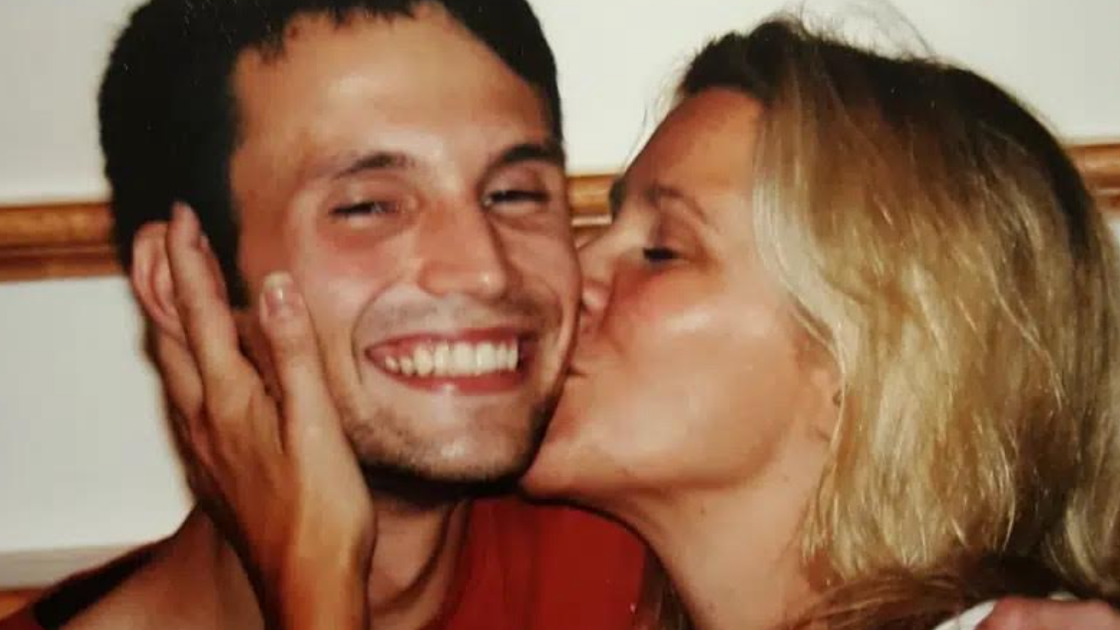
The loss of a child to opioid addiction is a pain no parent should have to endure, yet it happens far too often. Cammie Wolf Rice opens up about the heartbreaking journey she shared with her son Christopher, from a teenage ulcerative colitis diagnosis to a fatal overdose at age 32, and the decades-long secret she kept to protect his memory.
What Happened
Christopher's health struggles began at 13 when he was diagnosed with ulcerative colitis, a chronic inflammatory bowel disease with no cure. The condition required countless hospital visits, and a pivotal surgery to remove his colon left him with an ostomy bag and a lifelong dependence on opioid pain medication. What started as post-surgical relief quickly turned into a 14-year battle with addiction, multiple rehab stays, and a secret struggle that the family kept hidden behind closed doors. On February 26, 2016, Christopher died of an overdose, leaving his mother to grapple with grief, guilt, and the stigma surrounding his death.
Why This Matters
The opioid crisis continues to claim tens of thousands of lives annually, often beginning with a single prescription meant to treat pain. Christopher's story exposes a critical gap in healthcare: patients and caregivers frequently receive little education on addiction risks, alternative pain strategies, or emotional support during medical crises. Without proper safeguards, prescription opioids can become a fatal gateway. Today, nearly 5 million Americans live with opioid use disorder, and stories like Christopher's underscore why systemic change is urgently needed.
Key Takeaways
- In 2018, Cammie Wolf Rice founded CWC Alliance (Christopher Wolf Crusade) to honor her son's legacy and combat the opioid crisis from within the healthcare system.
- The organization pioneered the Life Care Specialist role, a first-of-its-kind position that provides opiate education, alternative pain management guidance, and emotional coping support to patients and their families during and after hospital stays.
- Since the pilot launch at Grady Memorial Hospital in Atlanta, the LCS program has expanded to nine hospitals and serves nearly 7,000 patients each year.
- A Harvard Business School case study recognized the Life Care Specialist model as a validated, scalable solution, showing patients discharged with 25% fewer opioid prescriptions.
- The organization's next goal is to place Life Care Specialists in ten additional hospitals by 2026, expanding reach and impact.
- Rice's memoir 'The Flight: My Opioid Journey' offers a candid personal account of the crisis, aiming to foster dialogue and prevent future tragedies.
Conclusion
Christopher's death was a preventable tragedy, but his mother is determined that it not be in vain. By sharing her story and building a healthcare support system that educates, supports, and protects patients and caregivers, she hopes to spare other families the same heartbreak. The work continues, one hospital, one conversation, one life at a time.



Discussion
Join the conversation
Thoughtful reactions, questions, and follow-up ideas help shape the next story.