Introduction
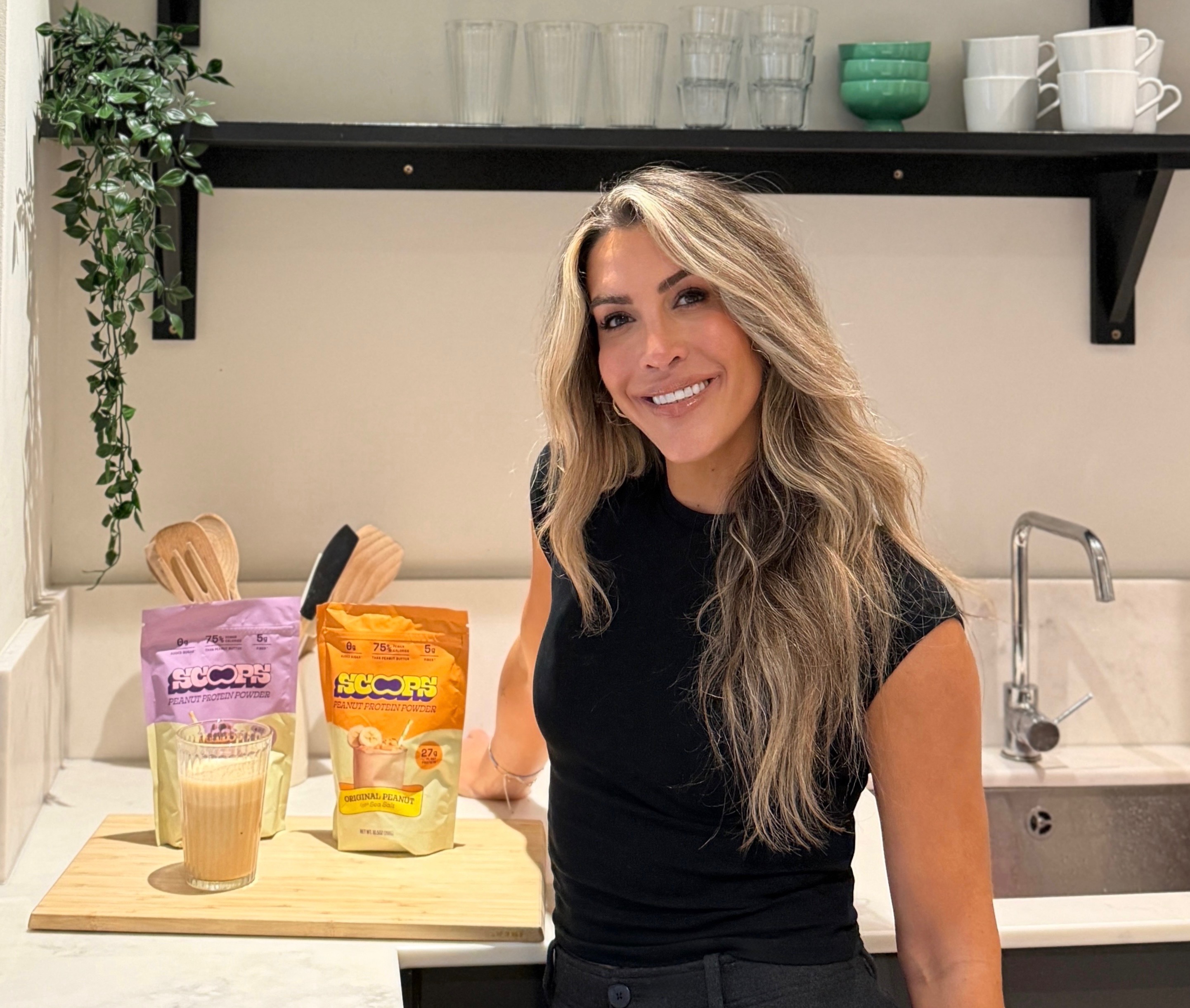
Liz Lane spent over a decade working in food and beverage operations, helping brands like Huel and Magic Spoon scale before stepping out to build her own label. Determined to create a product that fit her lifestyle, she developed a peanut butter-based protein powder that delivers nutrition without the hassle of eating whole nuts.
What Happened
Connecting with a supplier introducing a new peanut isolate, Lane envisioned a powdered format that could be mixed into smoothies, oats, and baked goods. With just one sample and no initial budget, she pitched the concept to Target. The brand launched in May across more than 1,100 stores, starting with $25,000 in first-month sales that grew to $400,000 by the most recent month. Lane secured $500,000 in funding primarily from her supply chain partners, who trusted her operational experience. The product is currently featured on an 11-week endcap, driving continued visibility as it builds momentum.
Why This Matters
This story demonstrates how a focused product concept, a strong supplier relationship, and a strategic retail pitch can overcome traditional fundraising hurdles. It reflects growing consumer demand for better-for-you snacks that deliver protein with fewer calories and less fat. Lane's approach offers a practical blueprint for founders looking to test products in major retailers without massive upfront capital.
Key Takeaways
- One sample and no budget can be enough to secure major retail attention when the product fills a genuine need.
- Supplier partnerships can provide not just ingredients, but early-stage funding and credibility.
- Target's new-product push created a fast-track opportunity for Scoops to move from concept to shelf in months.
- A slower, sustainable growth model can be a deliberate strategy rather than a limitation.
- Founders should consider repositioning existing ingredients or ideas rather than always seeking entirely new concepts.
Conclusion
Lane's journey from operations veteran to Target shelf presence proves that a smart concept, paired with the right partners, can break through in a competitive CPG landscape. Her emphasis on sustainable growth and strategic positioning offers valuable lessons for any entrepreneur aiming to launch a product without sacrificing long-term vision.


Discussion
Join the conversation
Thoughtful reactions, questions, and follow-up ideas help shape the next story.