Introduction
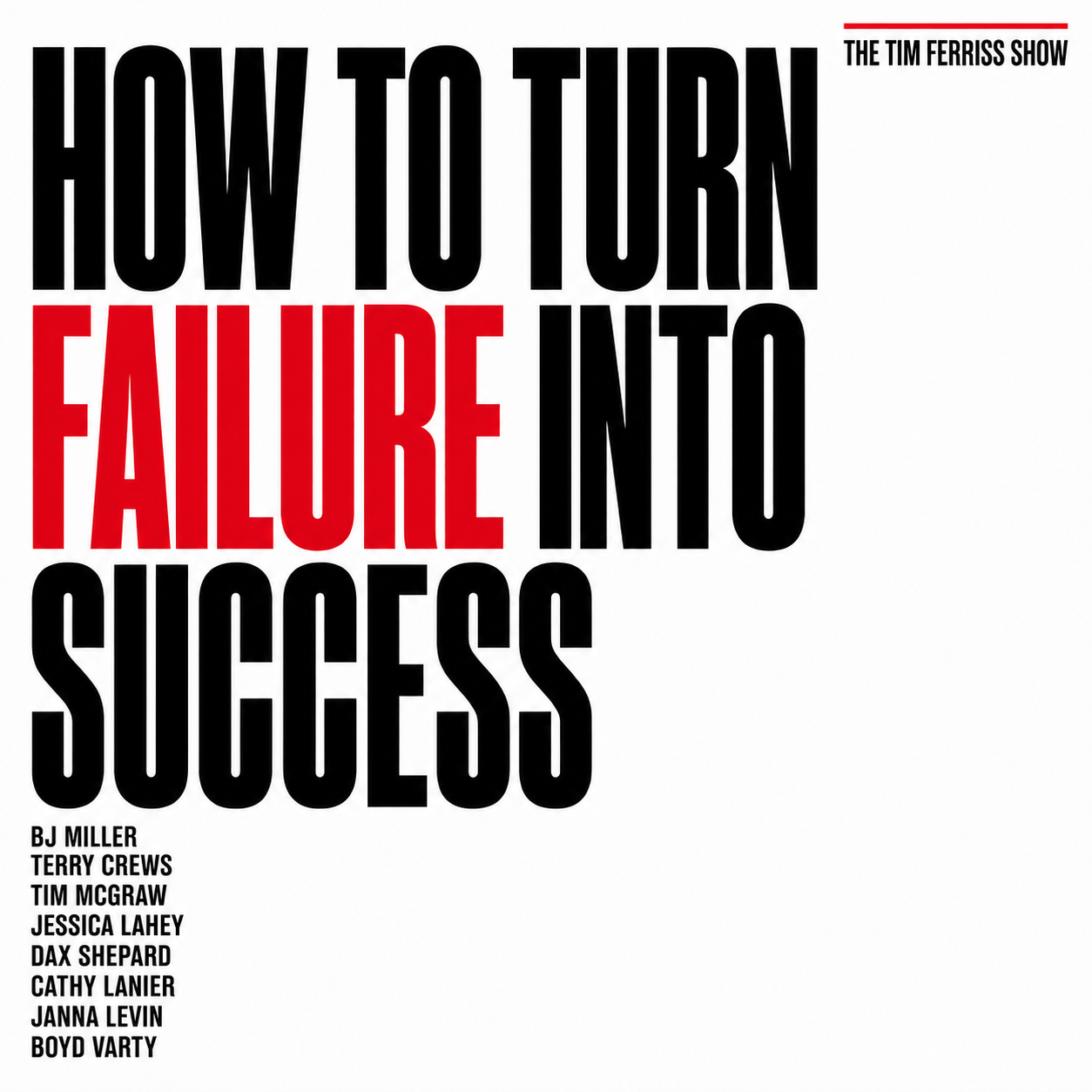
The Tim Ferriss Show episode #881 brings together a diverse group of guests who have each faced major setbacks and found ways to turn them into turning points. From musicians and actors to medical professionals and writers, the conversation explores how failure can become a catalyst for growth when approached with the right mindset.
What Happened
BJ Miller shares how he adapted a prosthetic arm to ride a motorcycle, working with inventor Mert Lawwill and customizing controls so he could focus on the ride itself. Terry Crews recounts a high school basketball game where missing the final shot felt like a disaster, yet he reframed the moment as a lesson in ownership: he realized that taking the shot—win or lose—puts the result on his terms. Tim McGraw opens up about his debut album that failed to produce any hits, a label rejection that led him to take full control of his next project, eventually delivering the breakthrough album after a years-long legal battle with his record label. Jessica Lahey describes how a concussion and an editor’s harsh rejection sparked a rewrite process that turned her manuscript into a New York Times bestseller. Dax Shepard discusses how the sudden end of his TV show sent him into an identity crisis, prompting him to launch a podcast that became a space for honest conversations about failure and resilience.
Why This Matters
Setbacks are universal, but how we respond to them defines the trajectory of our careers and personal lives. The guests on this episode demonstrate that reframing failure, taking ownership of outcomes, and adapting systems to fit your reality are powerful ways to regain momentum. Whether you’re facing a professional stall, a personal disappointment, or a creative block, the strategies shared offer a roadmap for turning losses into leverage.
Key Takeaways
- Own your outcomes: As Terry Crews learned, taking the shot—win or lose—puts the result on your terms and builds accountability.
- Adapt your tools: BJ Miller’s motorcycle story shows that when standard equipment doesn’t fit, customizing your setup can unlock new possibilities.
- Control your narrative: Tim McGraw’s legal battle taught him that waiting for permission often stalls progress; taking charge of your work, even against resistance, can restart momentum.
- Use feedback to improve: Jessica Lahey’s experience reveals that criticism, even when harsh, can become a roadmap for growth if you separate the emotion from the technique.
- Start before you’re ready: Dax Shepard’s pivot from canceled show to podcast illustrates that beginning a new project, even in the shadow of a loss, can create unexpected opportunities.
Conclusion
Failure is rarely the end of the story—it’s often the prologue to a stronger comeback. The common thread across these conversations is that the power to transform setbacks lies in how we frame them, the systems we build to adapt, and the courage to take ownership of our path. Whatever challenge you’re facing, the next move is always ours to make.



Discussion
Join the conversation
Thoughtful reactions, questions, and follow-up ideas help shape the next story.