Introduction
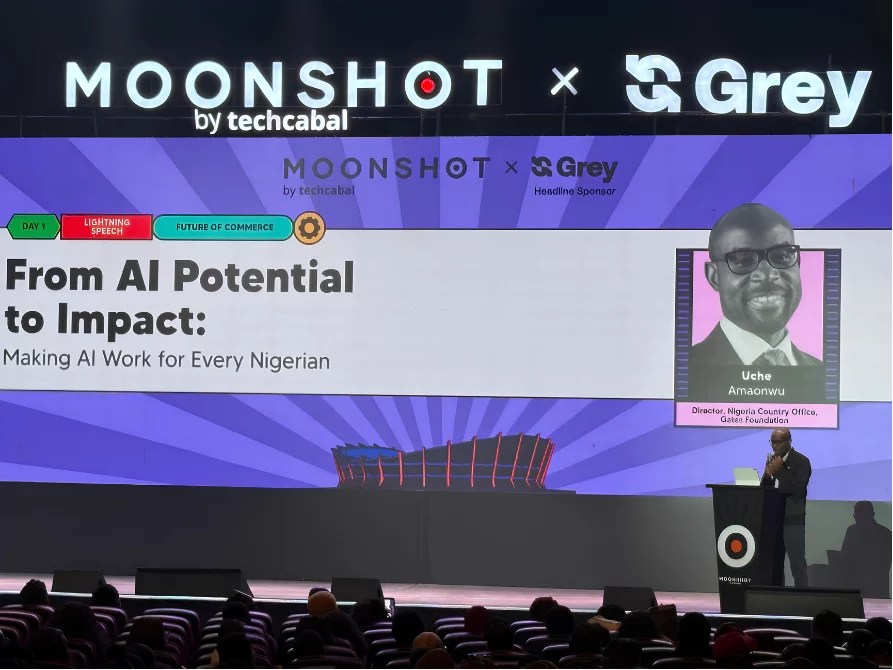
The Gates Foundation is reshaping the conversation around artificial intelligence in Nigeria, arguing that true success comes from impact on people's lives rather than mere product launches. At Moonshot 2026 in Lagos, Uche Amaonwu, Director of the Nigeria Country Office, stressed that AI must be grounded in local realities to drive meaningful change.
What Happened
Speaking at the Moonshot conference, Amaonwu outlined four essential pillars Nigeria must establish to move AI from experimental projects to widespread adoption. He drew direct parallels to the country's fintech boom, which succeeded due to strong payments infrastructure, clear regulation, and institutions ready to embrace new technology. AI, he explained, needs similar foundations—reliable connectivity, trusted data, and systems that can communicate seamlessly. Without these, every innovator ends up solving the same basic problems instead of building on a shared platform.
Why This Matters
The urgency is underscored by estimates that generative AI could unlock between $61 billion and $103 billion across African sectors. However, the Gates Foundation's 2026 Goalkeepers report warns that without deliberate intervention, AI could deepen existing inequalities rather than close them. Amaonwu highlighted that most advanced AI models are trained on data that doesn't reflect African languages or experiences, risking tools that don't work for the people who need them most. Trust is another critical factor—AI systems handling sensitive health or financial data must have built-in safeguards, especially in sectors like healthcare. The foundation is already supporting local innovators building digital health tools, agricultural advisory services, and language capabilities tailored to African contexts, but Amaonwu stressed that a working prototype is only the beginning; the real challenge comes after a solution is functional and must sustainably deliver results.
Key Takeaways
- AI initiatives must be judged by impact on people's lives, not just launch counts
- Nigeria needs robust infrastructure: connectivity, trusted data, and interoperable systems
- Local relevance is essential; AI models should reflect African languages and experiences
- Trust and data protection, especially in healthcare, are non-negotiable for scale
- The Gates Foundation has committed at least $1 billion over two years to expand AI access and ensure the technology narrows, rather than widens, inequality gaps
- Cross-sector collaboration among policymakers, innovators, researchers, and investors is essential for a thriving, inclusive AI ecosystem
Conclusion
The message from the Gates Foundation is clear: AI holds immense potential to transform Nigeria's healthcare, education, and agriculture sectors, but only if it's built on the right foundations and centered on real human needs. By investing in local context, trusted data, and cross-sector partnership, Nigeria can ensure AI becomes a tool for equity and growth rather than a driver of division. The opportunity is now, and the responsibility shared.




Discussion
Join the conversation
Thoughtful reactions, questions, and follow-up ideas help shape the next story.