Introduction
Marking the first anniversary of Gaza's ceasefire, many Palestinian families are not celebrating peace. They are living in shelters cobbled together from rubble or in tents with no clear path home. The truce was meant to stop the fighting, but for millions in Gaza it has created an ambiguous state where hostilities have paused in name while military control and attacks continue. This piece examines what the agreement actually says, who holds power under its terms, and why the absence of a firm deadline for withdrawal threatens to turn a temporary pause into a permanent arrangement.
What Happened
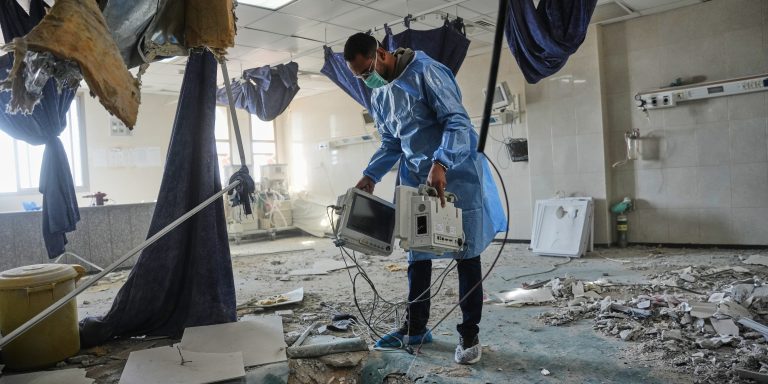
The ceasefire's first anniversary passed last month amid ongoing displacement. Abdullah Abu Zubaida's family marked it in a shelter built from the remains of their destroyed home. Ne'man Abu Jarad spent it with his five daughters in a tent. According to reporting by the Associated Press, these households are among millions stuck in a legal and political gray zone. By late October 2026, Gaza's Health Ministry recorded more than 74,000 deaths and over 175,000 injuries since the current war began. A United Nations inquiry released that same month found that genocidal acts continued after the truce took effect. Israeli forces now control at least 60 percent of Gaza's territory, up from roughly half under the original ceasefire terms. Nearly two-thirds of housing units have been destroyed, and large-scale rebuilding has not started.
Why This Matters
Peace agreements do more than stop shooting; they decide who governs territory and under what conditions once the guns fall silent. Legal scholars note that ceasefires can function like constitutions, determining authority over land and the approval needed for political transitions. In Gaza, the framework makes Israeli withdrawal and Palestinian self-government contingent on benchmarks set largely by outside actors. There is no fixed date for full military withdrawal or for transferring political power to Palestinians. The international arrangements are authorized through the end of 2027, but the transition itself has no expiration. Critics warn this creates a system where temporary control becomes durable, legitimized by the very deal intended to bring peace.
Key Takeaways
- The ceasefire's first anniversary found many Gazans still homeless, living in rubble-built shelters or tents.
- Israeli military control has expanded to cover at least 60 percent of Gaza, despite the truce.
- The agreement ties withdrawal and Palestinian governance to conditions negotiated by external powers, with no firm deadline.
- A U.N. report found that genocidal acts continued after the ceasefire began.
- Nearly two-thirds of Gaza's housing has been destroyed, and reconstruction has barely begun.
- International oversight is authorized through 2027, but the political transition lacks a clear end point.
Conclusion
The families waiting in tents and ruined homes cannot control when they return, rebuild, or reclaim their futures. Those decisions rest with governments and institutions far outside Gaza. Without enforceable benchmarks, independent verification, and consequences for blocking progress, the ceasefire risks institutionalizing the structures of control that existed before the war. A pause in fighting is not the same as peace, and without a real ending, Gaza may remain trapped in a conflict that is officially over but never truly stops.
Discussion
Join the conversation
Thoughtful reactions, questions, and follow-up ideas help shape the next story.