Introduction
Germany recently found itself defending its position at the International Court of Justice against a genocide case brought by Nicaragua, centering on Berlin's weapons exports to Israel. The proceedings highlight how the Gaza conflict has sparked fresh legal challenges at the highest level of international justice.
What Happened
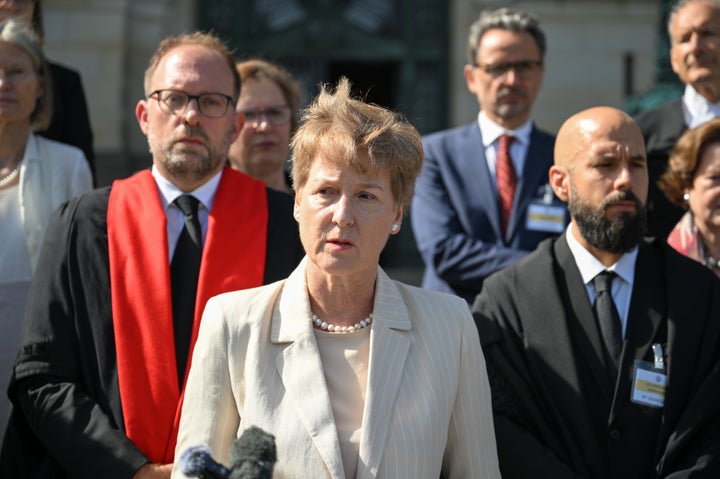
Nicaragua accuses Germany of violating the Genocide Convention and humanitarian law by facilitating violence in Gaza through military support. Germany's lead representative, Julia Monar, told the judges the case was procedurally flawed, noting Nicaragua failed to properly notify Berlin and gave the country less than a month to respond before filing. Another German counsel pointed out the formal complaint arrived via a Yahoo email address sent to a general inbox, bypassing standard diplomatic channels. The ICJ previously rejected Nicaragua's emergency bid to halt German arms aid but allowed the case to move forward. Germany maintains it carefully reviews all military exports per international law and stopped weapons exports to Israel's Gaza zone after 2024.
Why This Matters
This case unfolds alongside a separate genocide accusation against Israel by South Africa at the same court, reflecting how the Gaza crisis has triggered multiple international legal challenges. As Israel's second-largest arms supplier, Germany's stance carries significant weight. The outcome could shape future interpretations of the 1948 Genocide Convention and set precedents for state responsibility when providing military support in active conflict zones.
Key Takeaways
- Nicaragua filed the case alleging Germany facilitates genocide in Gaza via arms exports
- Germany calls the filing procedurally invalid, citing missed notifications and informal channels
- The ICJ has not ordered a halt to German aid, only rejected an emergency request
- Germany is Israel's second-largest arms supplier, behind the United States
- The proceedings continue alongside broader ICJ and ICC cases involving Israel and Palestine
- Legal experts suggest the case may influence how states are held accountable for conflict-related genocide claims
Conclusion
Germany's defense at the ICJ underscores the growing intersection of arms trade, genocide law, and international diplomacy. While the court has yet to rule on the merits, the case illustrates how nations are increasingly held accountable for military support in conflict areas. As proceedings continue through 2027 and beyond, the decision may redefine expectations for state conduct and compliance with the Genocide Convention.



Discussion
Join the conversation
Thoughtful reactions, questions, and follow-up ideas help shape the next story.