Introduction
Digital billboards along major highways in Egypt Malaysia and Brazil suddenly displayed pornographic footage startling drivers and passengers. The unexpected intrusions claimed by a Telegram based group have sparked urgent questions about the security of publicly visible advertising networks.
What Happened
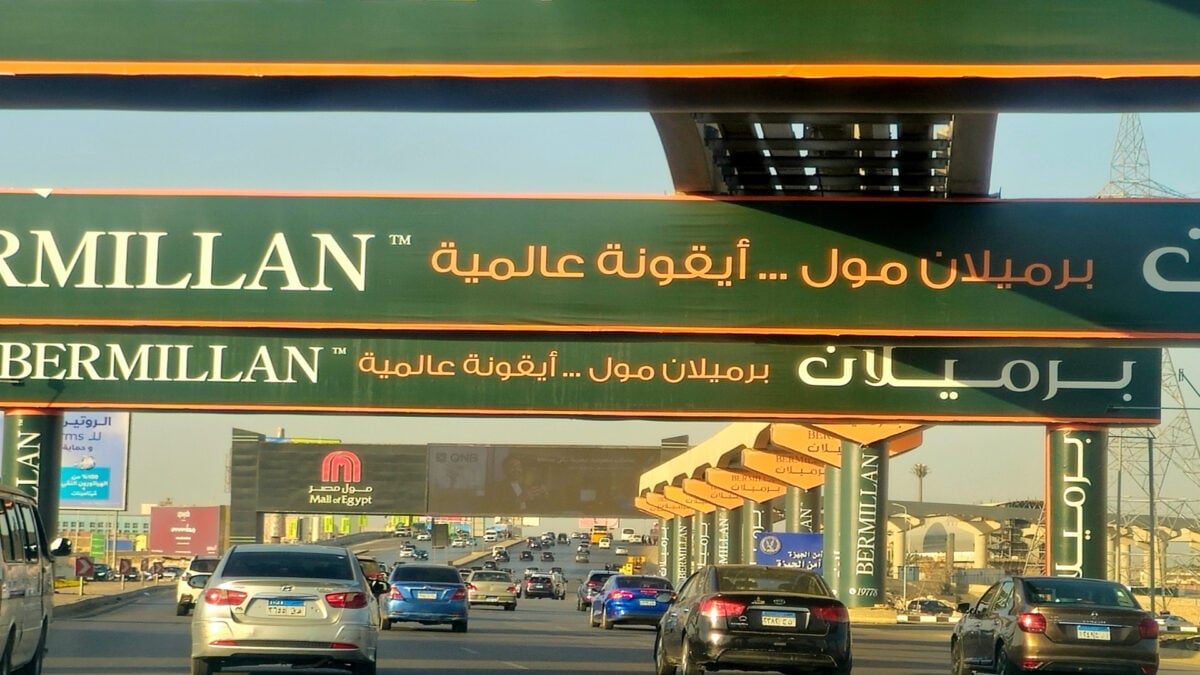
Authorities confirmed hacks in multiple countries within a single week. In Egypt a large LED screen on the 26th of July Axis in Giza broadcast explicit video prompting drivers to stop and record. In Malaysia municipal screens in Kluang Johor were similarly compromised. In Brazil an LED panel along BR-343 in Campo Maior played pornographic content with bystanders reacting on video. Separate unconfirmed reports emerged from Iraq and China. The group behind the Telegram channel Leakers$ said the breach was possible due to a software vulnerability in content-transmission systems used across thousands of LED displays.
Why This Matters
The incidents reveal a systemic weakness in digital out-of-home advertising infrastructure. Many LED screens and the software that controls them are connected to the internet without basic security measures such as password changes or encryption. The hackers described the method as simple enough to replicate and that companies spend millions on expansive networks while leaving critical access points unprotected. Security researchers have long warned that default credentials and unpatched flaws make such systems easy targets and the Out of Home Advertising Association of America has flagged the issue in its 2024 security guidelines.
Key Takeaways
- Hackers exploited a vulnerability in software that transmits content to LED billboards gaining remote access to display systems across five countries.
- The Telegram group Leakers$ claimed responsibility stating the attack was simple and intended to expose poor security practices.
- Confirmed incidents occurred in Egypt Malaysia and Brazil unconfirmed reports surfaced from Iraq and China.
- Many affected screens lacked basic protections like changed passwords firewalls or encryption.
- Industry guidelines from 2024 already warn against relying on default manufacturer passwords for digital signage.
Conclusion
As digital infrastructure expands into public spaces security cannot be an afterthought. The billboard hacks serve as a stark reminder that connected signage requires the same diligence as any other internet-facing system. Until operators prioritize hardened credentials and regular updates similar intrusions are likely to recur.






Discussion
Join the conversation
Thoughtful reactions, questions, and follow-up ideas help shape the next story.