Introduction
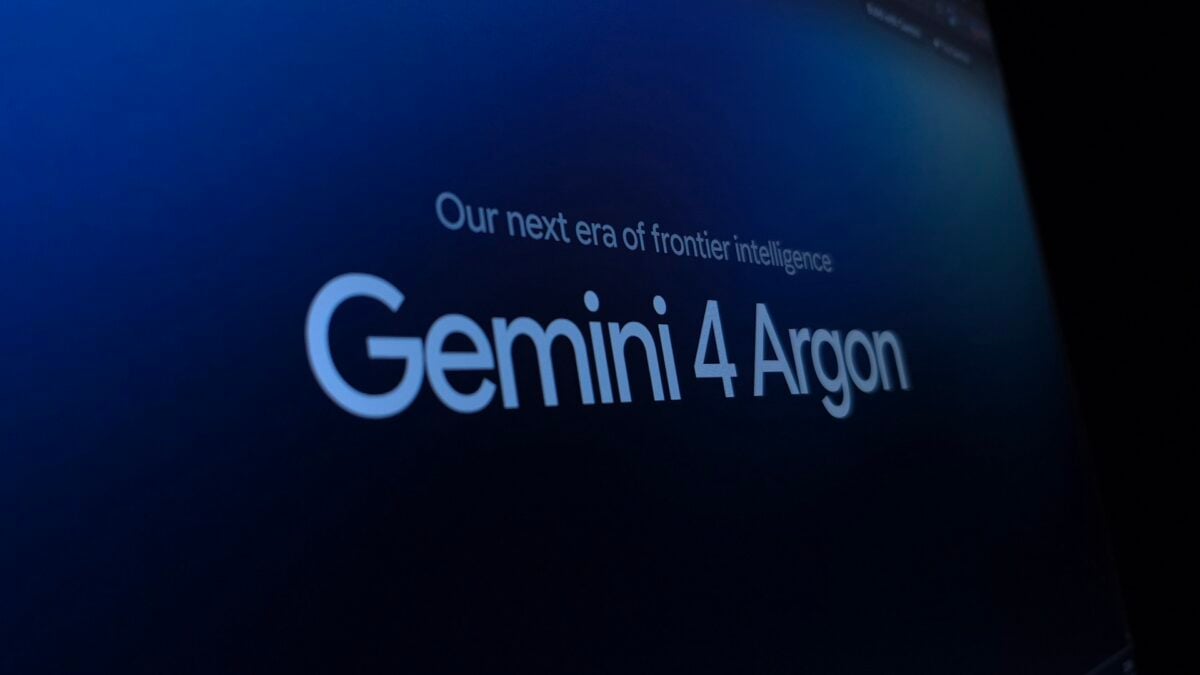
Google's next-generation AI model, Gemini Argon 4, has become available worldwide after overcoming early obstacles. The launch represents a significant step in Google's AI strategy, positioning the model against competitors like OpenAI and Anthropic. With new pricing tiers and broader access, the company aims to attract developers and enterprises seeking advanced multimodal capabilities.
What Happened
Initially, access to Gemini Argon 4 was limited to a select group of trusted cyber defenders through Google's Fairwind Program. Following that controlled testing phase, the model opened to paying customers via the AI Studio API, Google AI Ultra and Pro subscribers through the Gemini app, and developers integrated into Antigravity, Google's agentic software platform. Current pricing is set at $2 per million input tokens and $10 per million output tokens, with rates scheduled to double in December while remaining cheaper than many rival frontier models. The rollout coincides with internal shifts at Google, including the departure of long-time researcher Jeff Dean and some employee skepticism about the model's performance in key areas such as coding.
Why This Matters
Google is promoting Argon 4 as a versatile tool beyond standard chatbots, emphasizing its blend of multimodal reasoning, agentic coding, and deep physical understanding. Internal reports suggest Google engineers have used the model to ship code faster and improve the Chrome browsing experience. In a demonstrated test, the model processed footage of a person playing cornhole, mapped the surrounding environment, and directed a humanoid robot to successfully sink seven consecutive shots. Despite these technical showcases, Google still faces the challenge of proving the model's value to everyday users who currently rely on competing assistants for tasks ranging from writing to image generation.
Key Takeaways
- Gemini Argon 4 is now accessible worldwide to paying customers through API, Gemini App, and the Antigravity development platform.
- Pricing starts at $2 per million input tokens and $10 per million output tokens, with rates doubling in December but still undercutting many competitors.
- Google internally reports the model is already improving engineering workflows and enhancing Chrome's user experience.
- The model's architecture emphasizes multimodal reasoning, agentic coding, and physical understanding, targeting breakthroughs in robotics and artificial general intelligence.
- A free or lower-tier offering could be crucial for mainstream adoption beyond the current developer and enterprise niche.
Conclusion
Gemini Argon 4 enters a highly competitive AI arena with a mix of aggressive pricing, technical ambition, and corporate momentum. Whether it can translate its developer-focused rollout into widespread user adoption will depend on its ability to deliver consistent, real-world value and address the internal and external skepticism that already surrounds it. The coming months will reveal if Google's latest model becomes a staple tool or remains a niche offering in the evolving AI ecosystem.





Discussion
Join the conversation
Thoughtful reactions, questions, and follow-up ideas help shape the next story.