Introduction
The October 26, 2026 Up First briefing captures a sweeping political moment, from hard-fought redistricting battles to historic elections and rising protest movements across three continents. Here's what you need to know to start your day.
What Happened
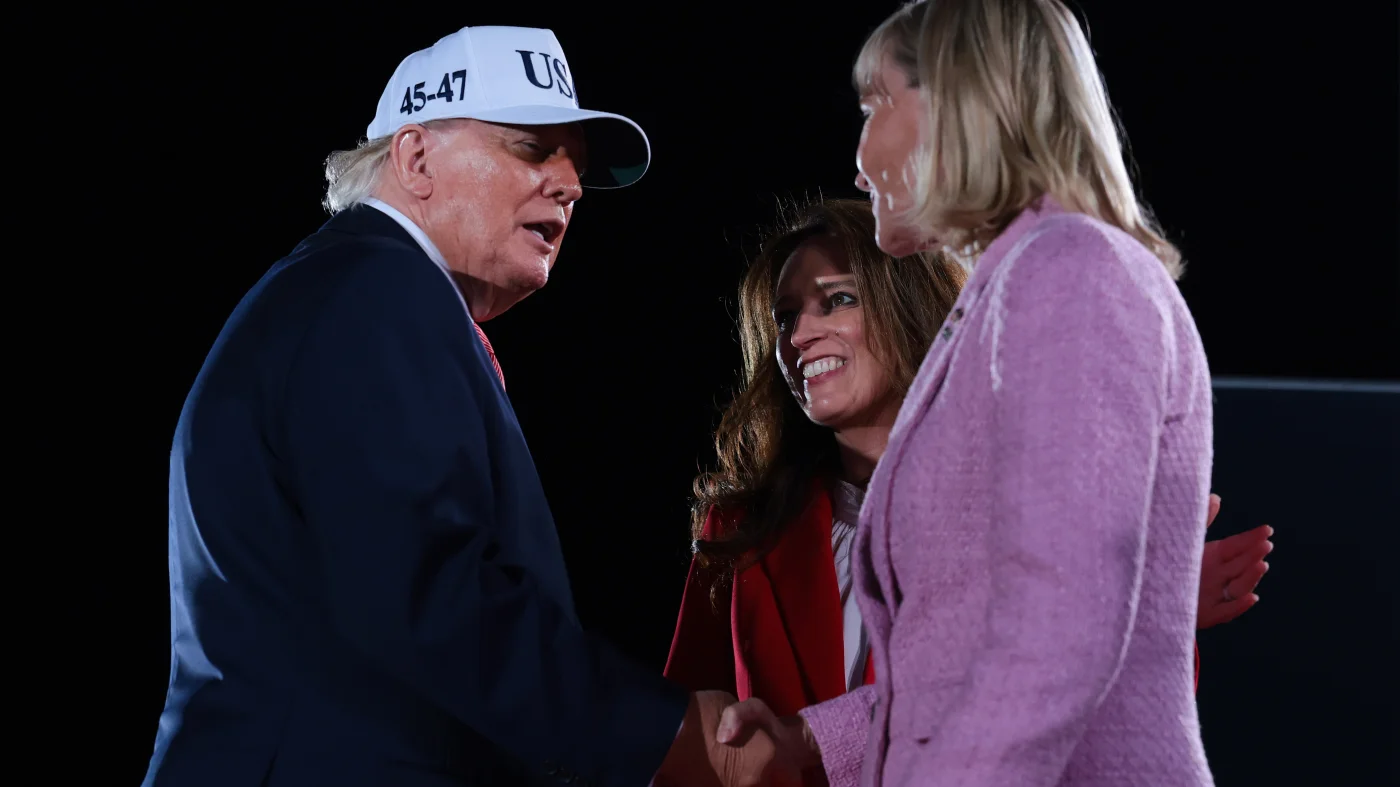
Republicans invested heavily in midterm redistricting, redrawing congressional lines to protect their House majority. Yet the strategy has backfired in several areas: of 15 districts explicitly engineered to favor GOP voters, only five carry a likely or solid rating from the Cook Political Report, while the rest are now toss-ups or lean Democratic. The maps relied on 2024 Trump voter data, but his support has weakened among young and Latino voters, and several Democratic incumbents have held their ground. In North Carolina, President Trump campaigned for candidates Laurie Buckhout and Jennifer Balkcom, whose 1st District was redrawn to favor Republicans but is now rated a competitive toss-up.
In Brazil, leftist leader Luiz Inacio Lula da Silva staged a remarkable political comeback, defeating Jair Bolsonaro's son Flavio in the presidential runoff by more than 4 million votes. It marks the first time since 1989 that a candidate who placed second in the first round won the presidency. Lula's victory appears to have slowed a right-wing wave across Latin America, with allies framing the result as a defense of Brazilian democracy.
Protest movements continued to expand across Europe. In France, over 100,000 demonstrators took to the streets in Paris and more than 400,000 participated nationwide, starting with student demands for better conditions and growing to include unions and public-sector workers calling for greater spending and an end to growing inequality. In Serbia, a student-led coalition known as student-list defeated the party of longtime leader Aleksandar Vučić in parliamentary elections, following two years of protests against government corruption and lack of accountability.
Why This Matters
These stories matter because they reveal shifting political fault lines ahead of the 2026 midterms, the resilience of democratic institutions in Brazil, and the growing influence of youth-driven protest movements in Europe. The redistricting struggle shows how demographic shifts can undo engineered advantages, while Lula's comeback underscores the volatility of right-wing populism. Meanwhile, the integration of AI into hurricane forecasting illustrates both the promise and the peril of algorithmic decision-making in public safety.
Key Takeaways
- Redistricting efforts are faltering as voter coalitions shift, turning previously safe GOP seats into competitive battlegrounds.
- Lula da Silva's historic fourth term marks a rare democratic comeback and may temper right-wing momentum in Latin America.
- Protest waves in France and Serbia reflect sustained youth and worker frustration with inequality and governance failures.
- AI is reshaping hurricane prediction, offering improved accuracy but raising questions about transparency and reliance on historical patterns.
- Voter realignment, particularly among young and Latino populations, is reshaping the electoral map ahead of the 2026 midterms.
Conclusion
As the 2026 election cycle accelerates and Brazil settles into Lula's new administration, the interplay of redistricting, voter realignment, and protest politics will continue to dominate headlines across the Americas and Europe. The increasing role of AI in weather forecasting also signals a broader shift toward data-driven decision-making, even as human judgment remains essential for context and clarity.






Discussion
Join the conversation
Thoughtful reactions, questions, and follow-up ideas help shape the next story.