Introduction
The 2026 midterms are shaping up as a referendum on whether Republican candidates will continue to dwell on Donald Trump's disputed 2020 victory or pivot to future-focused platforms. While many voters want to move on, a significant faction of GOP nominees keeps echoing baseless claims about election integrity, influencing primaries and potentially jeopardizing general election prospects.
What Happened
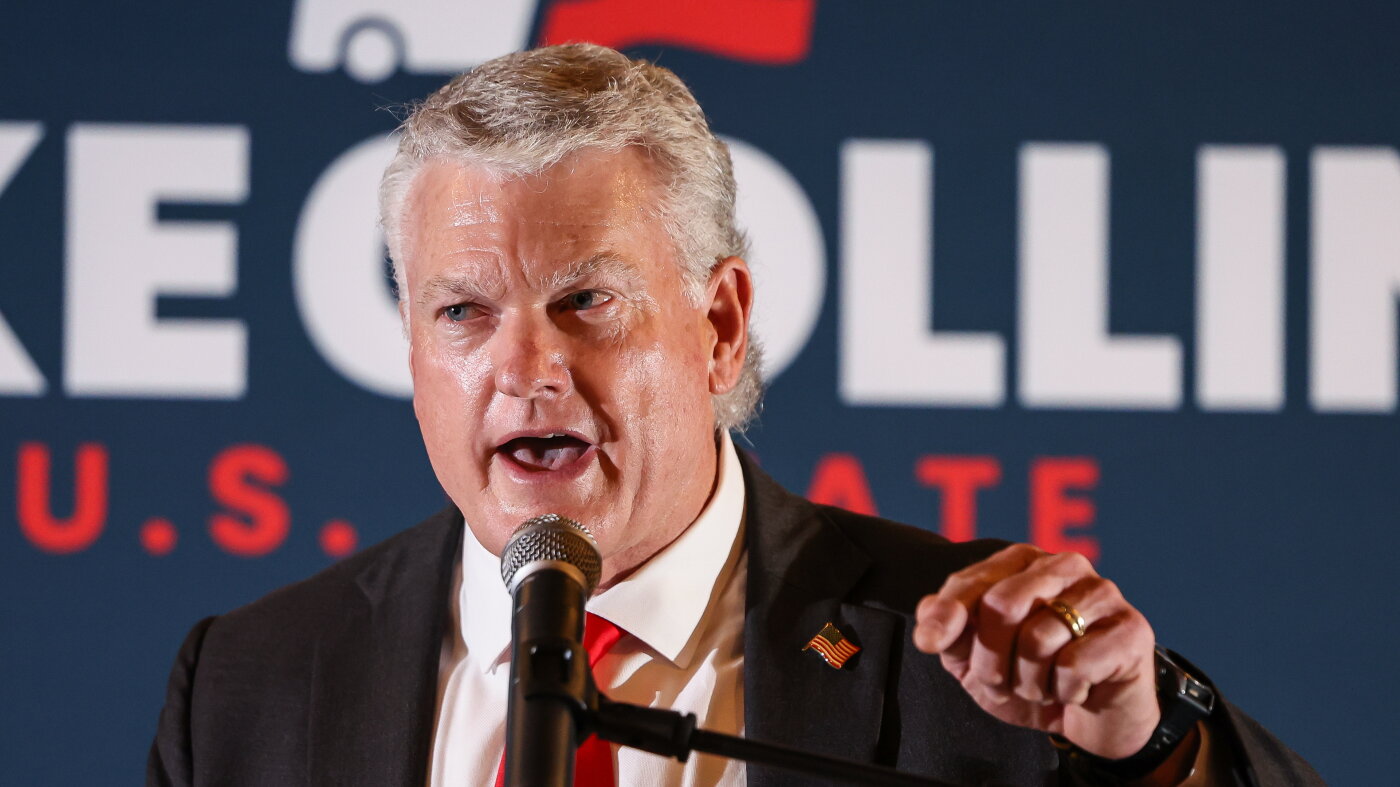
Across key swing states, Republican Senate and House hopefuls have lined up behind Trump's false narrative that the 2020 election was stolen. From Georgia's Mike Collins, who in a campaign ad fired a gun at a labeled voting machine while asserting Trump's win, to Michigan's Mike Rogers, who reversed course from early criticism to embrace election denialism, the pattern is widespread. Some candidates flip-flopped; others never abandoned the narrative. Even as early voting begins and Republican majorities hang in the balance, the 2020 fixation persists, driven by base pressure and Trump's own continued amplification.
Why This Matters
The persistence of 2020 election denial isn't just symbolic—it has real political consequences. Voters weary of the topic, like Georgia's Lynn, have indicated they might cross party lines because of candidates' refusal to let go. Polling shows just 1% of voters rank election integrity as their top concern, yet activists and officeholders who championed false claims now hold influential positions on local election boards. Strategists warn that doubling down on 2020 grievances could cost the GOP competitive seats, especially in tossup states where independents and moderate Republicans reject the retread. Meanwhile, Trump's allies leverage the claims for fundraising, even as party elders caution that the strategy undermines general election viability.
Key Takeaways
- Multiple GOP nominees in 2026 continue to amplify Trump's baseless 2020 election claims despite voter fatigue.
- Voter sentiment overwhelmingly favors moving on, with only a tiny fraction ranking election integrity as a top voting factor.
- Candidates who reject the narrative, like Georgia Gov. Brian Kemp, face Trump's opposition, illustrating the pressure to conform.
- Strategists warn that focusing on 2020 could jeopardize general election chances in competitive states.
- Some former critics of Trump's claims have quietly embraced them to secure primary victories, then walked back in general elections.
- The phenomenon extends beyond rhetoric, influencing local election administration and fundraising dynamics.
Conclusion
As the 2026 midterms approach, the tension between Trump's enduring influence and voter desire for forward-looking politics remains decisive. Candidates who cling to 2020 denial risk alienating moderate voters and undermining their own general election prospects, yet the pressure to perform for the base keeps the narrative alive. Whether this strategy pays off for the GOP or fuels further voter disengagement will likely depend on how effectively campaigns balance base enthusiasm with broader electoral appeal.

Discussion
Join the conversation
Thoughtful reactions, questions, and follow-up ideas help shape the next story.