Introduction
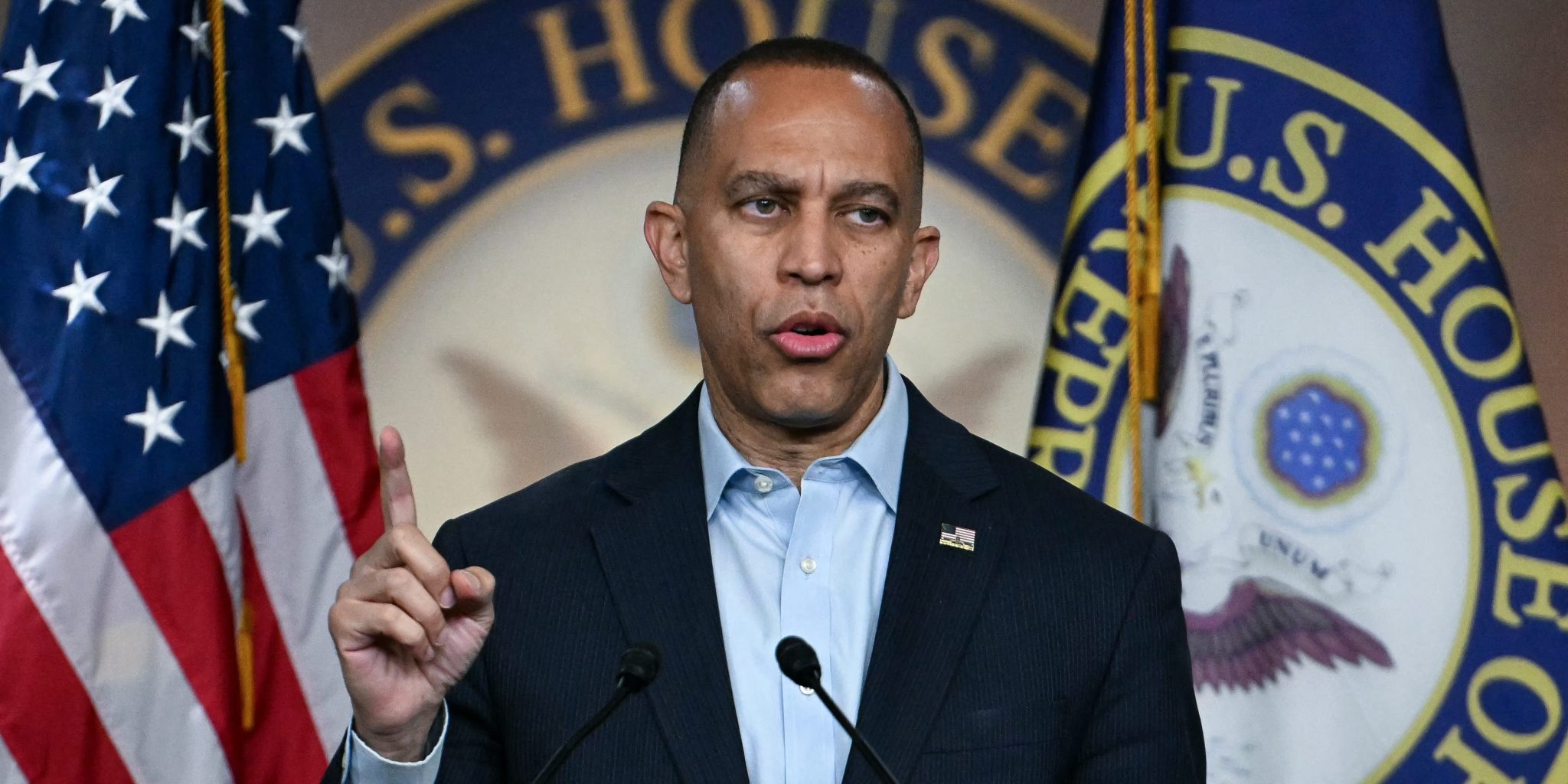
Fresh off a sweeping election victory built on promises of affordability and accountability, House Democrats arrived in Washington expecting to hit the ground running. Instead, their first major test ended in disarray. A vote to impeach Secretary of War Pete Hegseth collapsed after 11 Democratic lawmakers failed to show up, leaving Minority Leader Hakeem Jeffries to defend a caucus that looked unprepared for the moment.
What Happened
On Monday, Representative Thomas Massie of Kentucky introduced articles of impeachment against Hegseth, accusing him of waging war in Iran without congressional authorization. The resolution came to the floor on Tuesday night and failed by a narrow margin, 211 to 204. Eleven Democrats were absent, including members who blamed D.C. traffic, others who were out of town, and at least one who was attending a political fundraiser. Several lawmakers later issued public apologies, while others accepted responsibility on the House floor. Because the new Congress does not convene until January 2027, Republicans still control the chamber for now.
Why This Matters
The failed vote sent a clear signal to the White House and the public: the Democratic caucus is disorganized and unable to enforce basic discipline. Jeffries told reporters the fight is not over, but he accepted no responsibility for the optics of missing members. Critics point to a familiar pattern, comparing the moment to 2009 when President Barack Obama declined to pursue accountability for the previous administration. With the party's base demanding aggressive oversight of the Trump administration, leadership missteps risk alienating the very voters who delivered the midterm gains.
Key Takeaways
- An impeachment resolution against Secretary of War Pete Hegseth failed 211 to 204.
- Eleven House Democrats missed the vote, citing traffic, travel, or scheduling conflicts.
- Minority Leader Hakeem Jeffries and Whip Katherine Clark faced criticism for failing to keep the caucus in line.
- Republicans still control the House until the new term begins in January 2027.
- Some Democrats have floated Representative Ayanna Pressley as a potential alternative for speaker.
Conclusion
Momentum lost is difficult to recover. If Democratic leaders want to honor the mandate from Election Day, they must move beyond regret and demonstrate that they can hold members accountable. Whether Jeffries retains his position or faces a challenge, the party's next steps will determine whether it can effectively check the Trump administration or repeat the cautious mistakes of the past.
Discussion
Join the conversation
Thoughtful reactions, questions, and follow-up ideas help shape the next story.