
Introduction
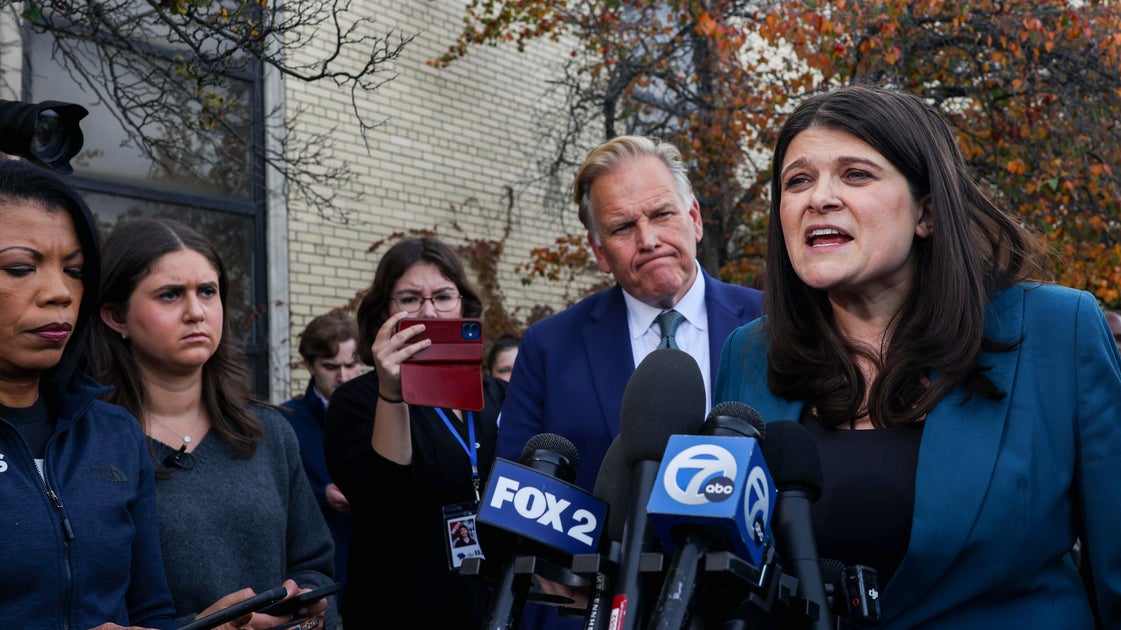
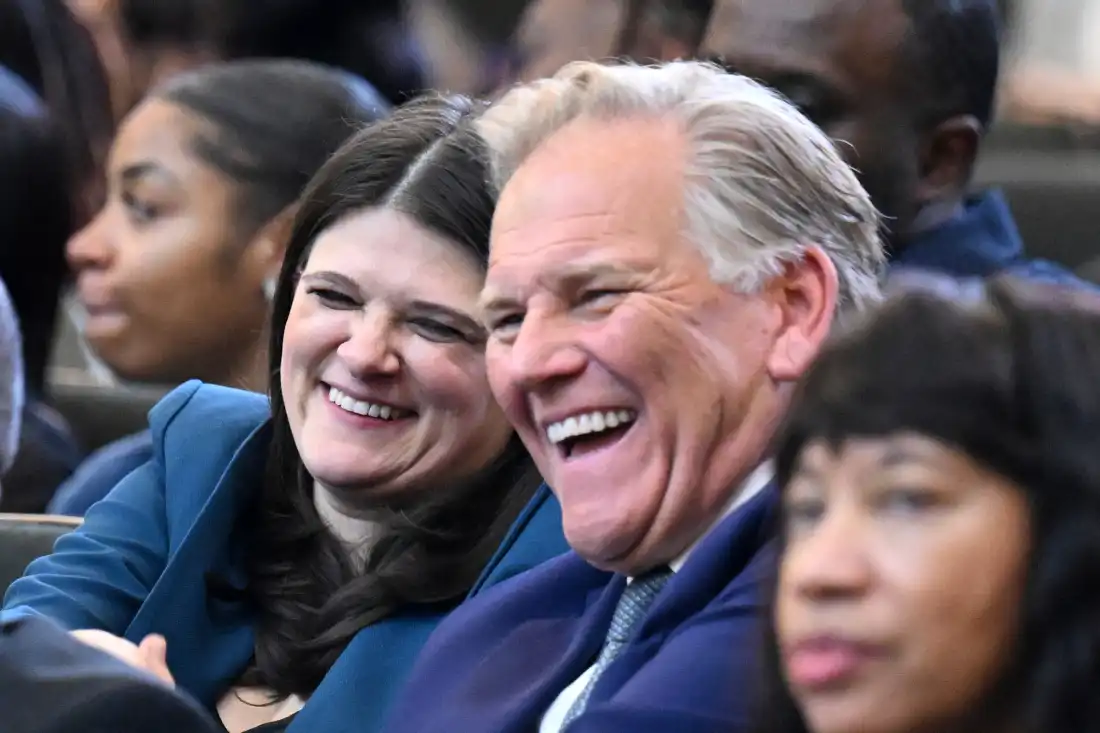
Rep. Haley Stevens' unexpected decision to endorse former Rep. Mike Rogers over Democrat Abdul El-Sayed in Michigan's Senate race has sent shockwaves through the Democratic Party less than 48 hours before Election Day. The move, announced after a Sunday appearance in Detroit, has drawn sharp criticism from party leaders, donors, and fellow lawmakers who view it as a significant betrayal of the primary process.
What Happened
Stevens, who faced El-Sayed in a recent primary battle, threw her support behind Rogers at a public appearance, drawing sharp criticism from progressives and party figures. Democratic Senate Leader Chuck Schumer condemned the endorsement as a betrayal of Democratic voters, while a major donor criticized the move as selfish and short-sighted. Several members of Stevens' staff resigned in protest, and Michigan Rep. Joe Tate expressed dismay at the development. California Gov. Gavin Newsom called the timing ill-timed without fully denouncing the decision. The endorsement occurred despite El-Sayed holding a slight edge in recent polls, and Republicans quickly seized on the moment as a boost to their campaign.
Why This Matters
The timing of Stevens' endorsement is critical, coming as Michigan voters have already begun casting ballots in a race projected to decide control of the Senate. With El-Sayed holding a slight edge in most polling averages, Republicans argue the endorsement could fracture Democratic unity and create openings for GOP turnout. The move also highlights deeper rifts within the party over strategy, particularly regarding progressive outreach and foreign policy positions. For Republicans, the endorsement represents a rare opportunity to flip a battleground seat and capitalize on Democratic infighting.
Key Takeaways
- Stevens' endorsement of Rogers has intensified Democratic infighting and provided Republicans with a narrative of party division.
- Polling indicates El-Sayed maintains a narrow lead, but the endorsement may energize Republican voters in the final hours.
- Democratic leaders are divided, with some calling for accountability for Stevens and others urging cohesion ahead of Election Day.
- The race's outcome may hinge on voter turnout and whether Stevens' move swayed even a small percentage of undecided voters.
- Regardless of Tuesday's result, Stevens' political future appears dim, with many allies distancing themselves from the controversial decision.
Conclusion
As Michigan voters head to the polls, Haley Stevens' last-minute endorsement of Mike Rogers will likely be remembered as a pivotal moment that exposed internal Democratic fractures and gave Republicans a strategic opening. Whether the move ultimately alters the race's outcome remains uncertain, but it has already cemented Stevens' reputation as a divisive figure within her own party. All eyes will be on the vote count to see if this late development reshapes the Senate map—or if the race proceeds largely as projected.






Discussion
Join the conversation
Thoughtful reactions, questions, and follow-up ideas help shape the next story.