Introduction
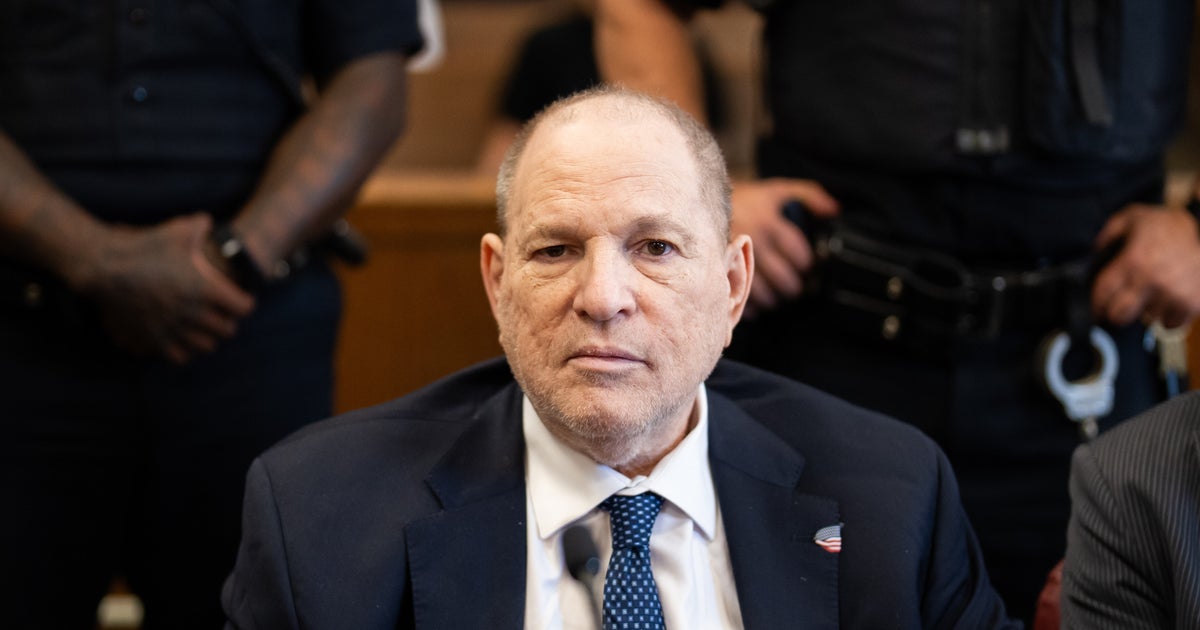
Harvey Weinstein was sentenced to 15 years in prison for sexually assaulting a television production assistant in 2006, underscoring the lasting impact of the #MeToo movement. The ruling brings closure for one survivor and reinforces accountability in high-profile sexual misconduct cases.
What Happened
The New York prosecution centered on Miriam Haley, a former production assistant on the Weinstein-produced reality series Project Runway, who accused Weinstein of forcibly performing oral sex at his Manhattan apartment in 2006. After years of mistrials, appeals, and retrials, the case was narrowed to Haleys testimony, which resulted in a conviction following a second trial last year.
Weinstein, 74, maintained his innocence throughout, apologizing while reiterating his claims of innocence and citing his age and health issues as grounds for mercy. The judge noted Weinsteins refusal to accept responsibility and his history of wielding industry power to exploit aspiring professionals.
The case began over a decade ago with numerous accusers, but was whittled down to a single surviving count after higher courts overturned prior verdicts. Weinstein still faces a separate pending resentencing in California for a 2013 rape conviction, which could extend his prison time significantly.
Why This Matters
Legal experts say the sentencing underscores the lasting reach of the #MeToo movement, even as legal hurdles persist. The decision to potentially run the New York and California sentences consecutively means Weinstein could spend the rest of his life behind bars.
For survivors, Haleys statement that the verdict offers a measure of justice but that Weinstein still feels entitled resonates widely. Advocacy groups note the case highlights both progress and the ongoing need to support victims navigating complex, multi-jurisdictional legal battles.
Key Takeaways
- Weinstein received a 15-year prison sentence for the 2006 assault of Miriam Haley.
- The conviction followed a retrial after his 2020 conviction was overturned on procedural grounds.
- Weinstein maintains his innocence and has vowed to appeal.
- A pending California resentencing could add decades to his current term, potentially resulting in a life sentence.
- Judge Farber indicated he would push for consecutive sentencing, meaning Weinstein would serve the New York term after any California penalty.
- The case remains a touchstone for the #MeToo movement, illustrating both achieved accountability and persistent challenges.
Conclusion
The latest sentence marks another milestone in a yearslong legal saga that has reshaped public discourse on power, abuse, and accountability. As Weinsteins legal battles continue, the focus remains on the survivors who persisted and the broader societal shift the #MeToo movement ignited.



Discussion
Join the conversation
Thoughtful reactions, questions, and follow-up ideas help shape the next story.