Introduction
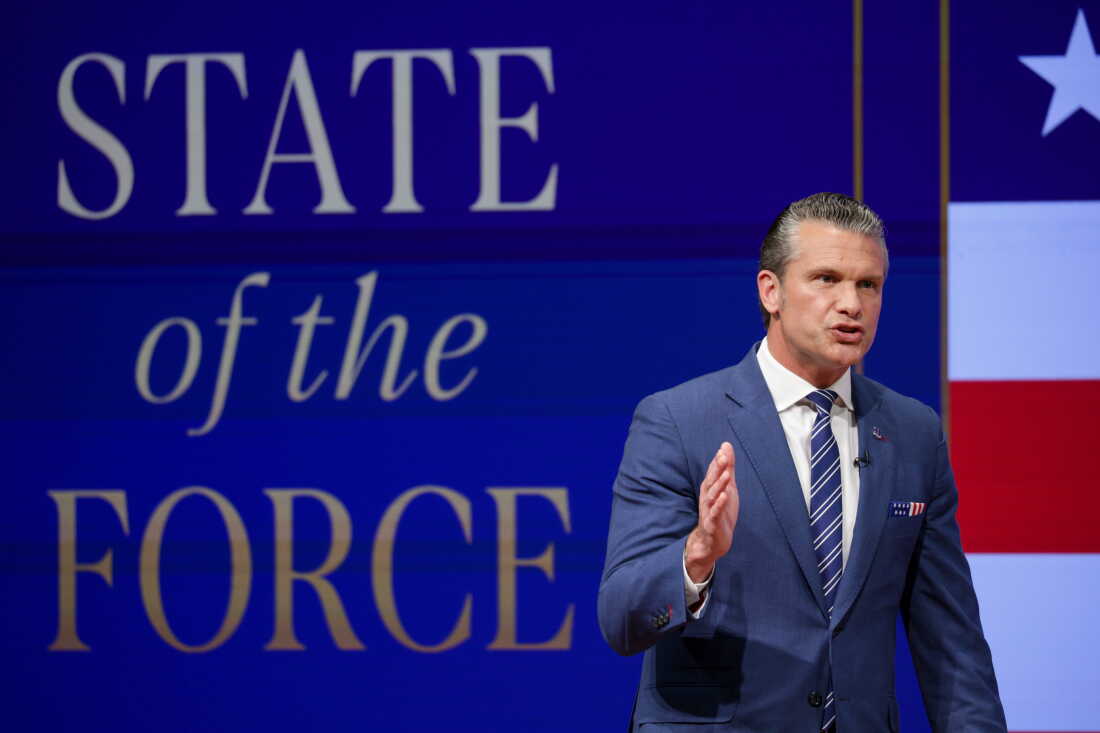
Pete Hegseth, the newly confirmed Defense Secretary, has quickly made his mark by injecting aggressive cultural rhetoric into the U.S. military establishment. His recent 'State of the Force' address at Marine Corps Base Quantico signaled a dramatic shift in Pentagon priorities, framing the force through a lens of cultural confrontation and ideological purity.
What Happened
At Quantico, Hegseth delivered a fiery speech that included the line 'No fatties, no trannies, no beardos, no weirdos, no wimps, no radicals. Just warriors.' The address was part of a gathering of nearly 800 senior leaders from around the world, convened on short notice. Hegseth used the platform to announce a 10% reduction in the flag-officer corps, with plans to cut deeper, and to defend a series of firings that have disproportionately affected Black and female officers. His remarks drew sharp bipartisan condemnation, including from Sen. Jack Reed, who called the actions reckless and damaging to military readiness. Hegseth also accused the media of partisan activism and warned that coverage undermining troop morale amounts to treason. Beyond the rhetoric, he unveiled new initiatives on autonomous weapons, base construction, domestic weapons production, and the elevation of military chaplains. He also moved to end civilian tenured positions at military academies, framing it as a step toward lethality-focused education, while naming five pilot colleges for enhanced Pentagon partnerships.
Why This Matters
The speech marks a pivotal moment where cultural signaling from the Pentagon's top civilian official is clashing with the military's traditional apolitical stance. Critics argue the rhetoric erodes cohesion, sidelines qualified personnel, and introduces political litmus tests into a force built on unity and mission focus. Supporters view it as a necessary correction against what Hegseth calls 'woke' bureaucracy. The ripple effects touch recruitment, retention, international partner confidence, and the long-standing norm of keeping the armed forces above domestic political battles.
Key Takeaways
- Hegseth's 'just warriors' comment and the officer purges have sparked bipartisan backlash and questions about military diversity and readiness.
- The address blended culture war rhetoric with concrete policy moves, including autonomous weapons pushes, base construction, and academy reforms.
- Ending civilian tenured positions at military academies and launching five new Pentagon-academic partnerships signal a broader restructuring agenda.
- How Congress and the military leadership respond will shape the force's culture, effectiveness, and civilian-military relations for years ahead.
Conclusion
Hegseth's aggressive cultural push at the Pentagon is unlikely to fade quietly. The tension between his vision of a lean, ideologically aligned force and the military's established traditions of apolitical professionalism will continue to generate headlines. Watch for congressional reactions, further personnel changes, and how these policies affect troop morale and operational readiness at home and abroad.



Discussion
Join the conversation
Thoughtful reactions, questions, and follow-up ideas help shape the next story.