Introduction
Severe weather can strike without warning, leaving homeowners to wonder if their insurance policy will foot the bill. From high winds to hail and lightning, storm damage is a common concern, but coverage isn't always straightforward. Understanding your policy before disaster strikes can mean the difference between a smooth claim and an unexpected expense.
What Happened
Storm damage encompasses a wide range of perils, including wind-driven debris, heavy hail, lightning strikes, and the weight of snow or ice. While standard homeowners insurance typically addresses many of these events, significant gaps exist, particularly around flooding, sewer backups, and earth movements. Policy details, location, and specific endorsements determine what protection you actually have.
Why This Matters
Filing an uncovered claim can leave you facing costly repairs out of pocket. Storm deductibles, exclusions for flood or earthquake, and limits on tree or roof damage can all impact your financial recovery. Knowing your policy's strengths and weaknesses before severe weather hits ensures you're not caught off guard when you need coverage most.
Key Takeaways
- Standard home insurance typically covers damage from wind, hail, lightning, and the weight of snow or ice.
- Flood damage, sewer backups, and earth movements are generally excluded and require separate policies or endorsements.
- Hurricane and windstorm deductibles may apply in certain states, often as a percentage of the home's insured value.
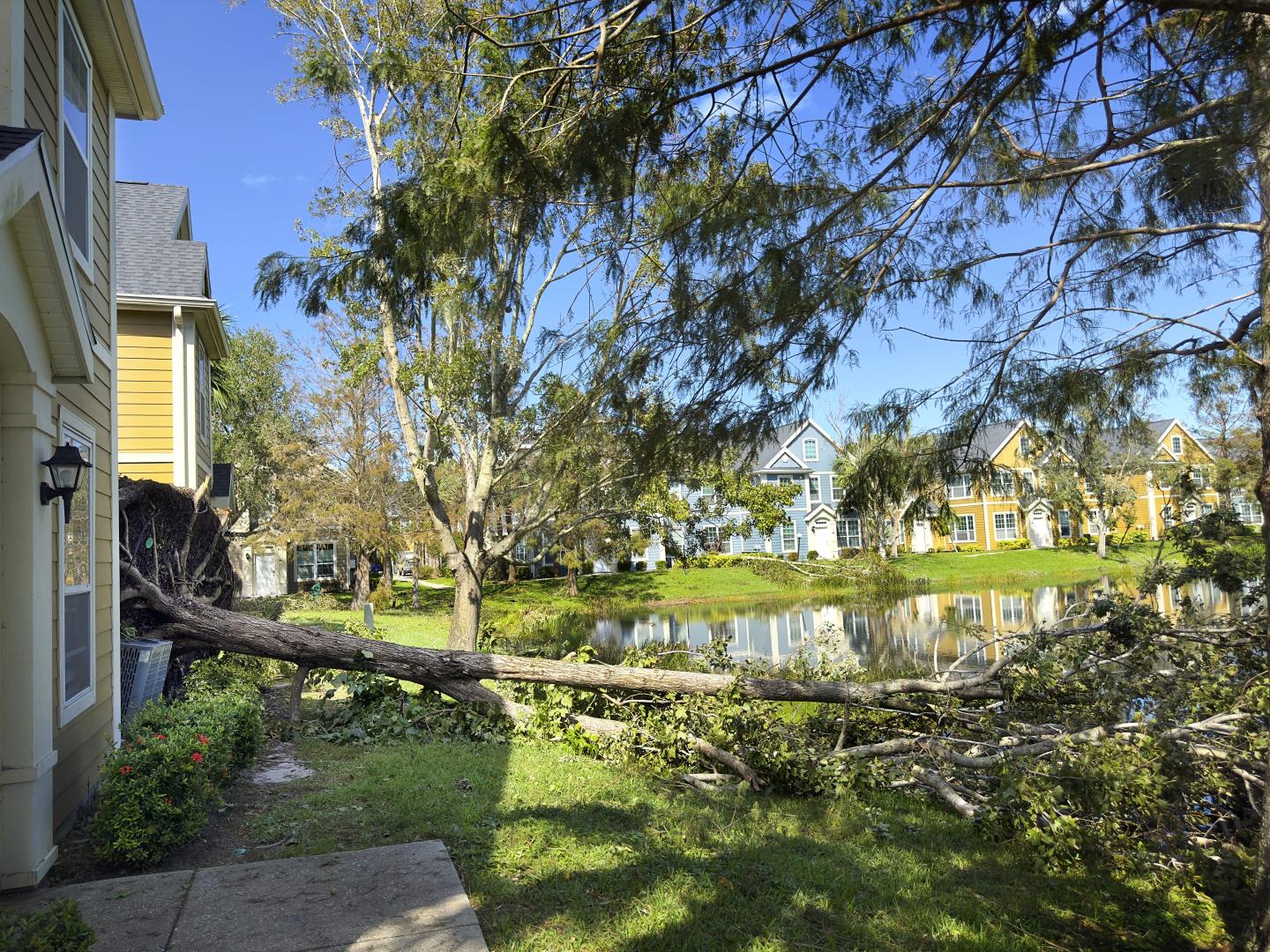
- Damage from fallen trees is covered when the tree is healthy, but dead or rotting trees are typically the homeowner's responsibility.
- Lightning-induced power surges and resulting electronics damage are usually covered, though terms vary by policy.
Conclusion
Storm damage coverage is nuanced, but a well-informed policy can provide significant peace of mind. Review your declarations page, consult a licensed agent, and consider supplemental coverage for floods, sewer backups, or windstorm exclusions. Proactive steps today can prevent financial strain tomorrow when the next storm passes through.


Discussion
Join the conversation
Thoughtful reactions, questions, and follow-up ideas help shape the next story.