Introduction
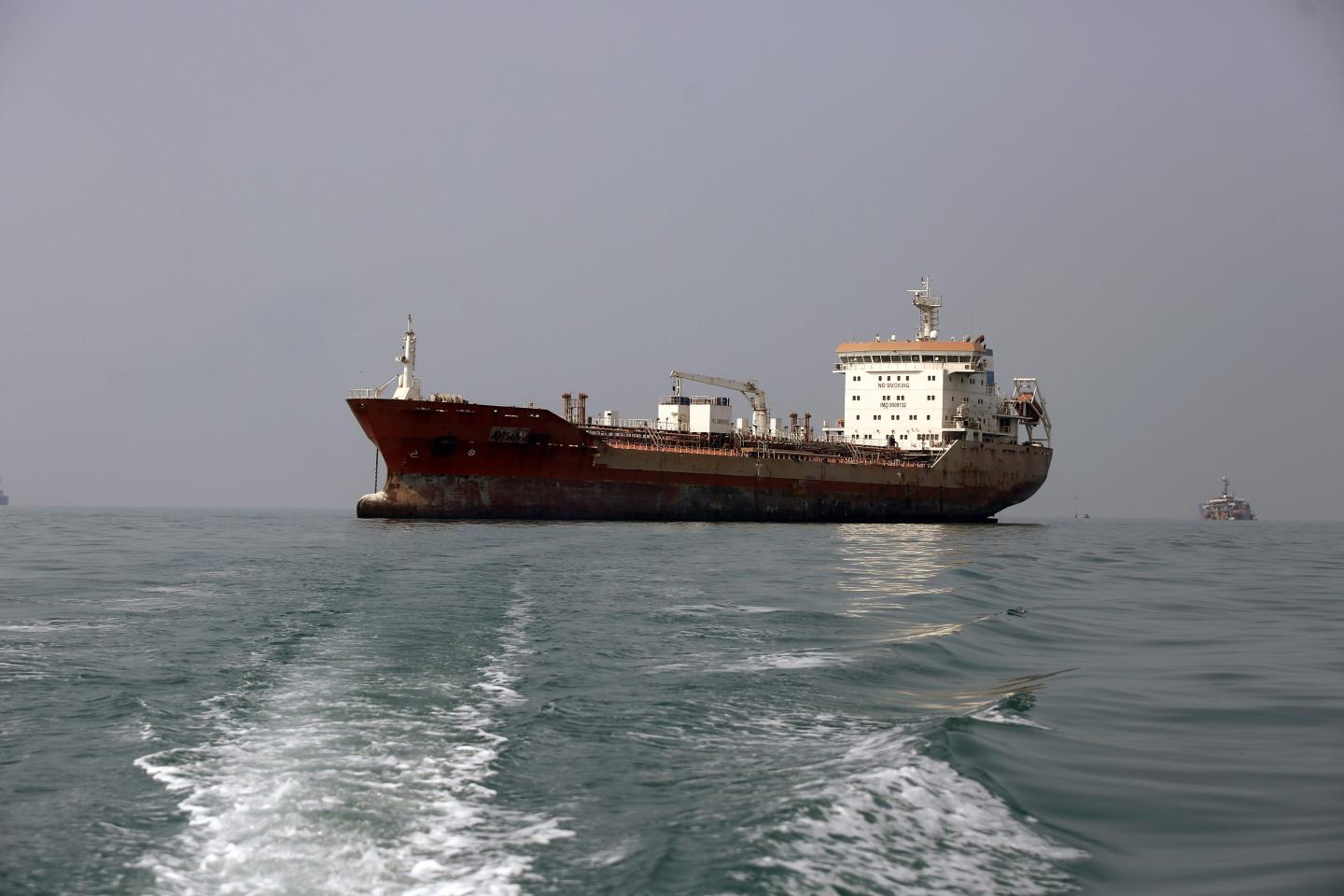
The high-stakes business of moving oil through the Strait of Hormuz has entered a new era of risk and reward, where regional tensions and drone threats have turned routine transits into costly gambles for those on board.
What Happened
Recent industry reports confirm that tanker captains can earn over $100,000 a month plus a $50,000 bonus per transit, a significant increase from regular monthly pay of around $15,000. Even sailors typically making $1,500 a month can see earnings multiply four to six times on Hormuz routes, especially on shuttle runs involving ship-to-ship transfers.
- Industry sources note that crews enduring the near-constant threat of attacks face extreme scrutiny, though some unwilling members report being pressured to stay onboard.
- Since February, at least 93 vessels have been struck and 24 seafarers killed, according to the International Maritime Organization.
- War risk insurance now commands 6% to 10% of a vessel's value, potentially reaching $20 million for a supertanker sailing through the Gulf.
Why This Matters
The ripple effects extend well beyond the Persian Gulf. Record freight rates and a global tanker shortage are driving up costs for oil producers and commodities traders, with some refineries seeing margin compression from $36 per barrel to as low as $15. Companies are responding by chartering or purchasing their own vessels to mitigate volatile costs, risking wider fuel price spikes if disruptions persist.
Analysts warn that if Iran escalates further, or if diplomatic off-ramps are rejected, the hazard premium could climb even higher, threatening global energy stability.
Key Takeaways
- Hormuz danger pay now routinely exceeds standard seafarer wages by four to six times.
- Freight rates have surged to record highs, reshaping global shipping economics.
- Shipowners and traders are investing in vessel ownership to mitigate volatile costs.
- Increased military and drone activity raises the risk of wider maritime disruption.
- The extreme compensation has led observers to note that crews on Hormuz routes face intense scrutiny, though some unwilling members report being pressured to stay aboard.
Conclusion
As the Strait of Hormuz remains a critical yet perilous chokepoint, the dramatic rise in danger pay and freight costs underscores the fragile balance between global energy supply and regional conflict. Unless diplomatic solutions emerge, the financial and human costs of shipping through the Gulf are likely to keep climbing, affecting everyone from tanker crews to consumers at the pump.






Discussion
Join the conversation
Thoughtful reactions, questions, and follow-up ideas help shape the next story.