Introduction
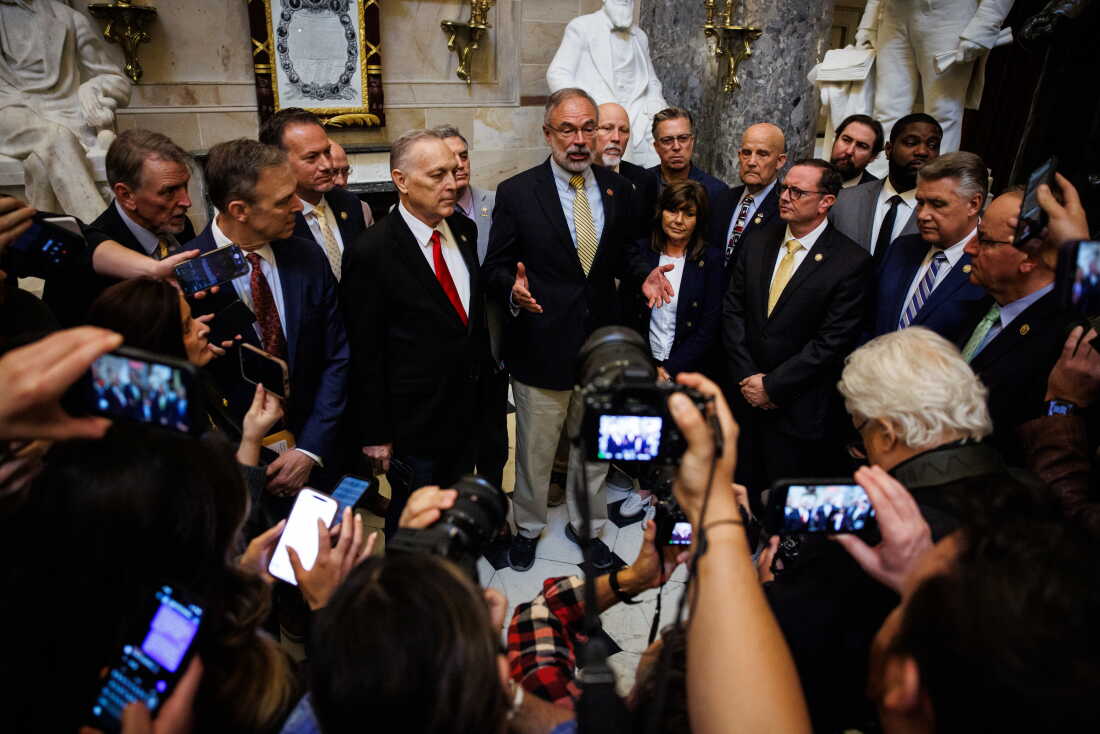
The House Freedom Caucus, once a Tea Party-driven engine pushing the Republican Party further right, now faces a pivotal moment as a wave of departures reshapes its role in Congress. With key members stepping aside and the group's identity tangled in the aftermath of the Trump era, observers are watching closely to see whether the caucus will reinvent itself or fade into the background.
What Happened
At least a dozen of the Freedom Caucus's more than two dozen current members are not seeking reelection or are facing primary defeats. Prominent figures including Rep. Chip Roy of Texas and Rep. Ralph Norman of South Carolina are among those departing, while three members are running for governor with former President Donald Trump's backing. The group, formalized over a decade ago by conservative lawmakers seeking to counter establishment influence, has seen its founders, including Mick Mulvaney and Mark Meadows, rise to senior White House roles under Trump, even as its legislative tactics have drawn both praise and frustration from party leadership.
Why This Matters
The caucus's evolution signals broader questions about the Republican Party's direction. Its history of leveraging procedural maneuvers to demand policy concessions, its alignment with Trump's populist playbook, and the departure of ideologically driven members all point to a shifting power dynamic. How the group adapts or whether it maintains influence from the sidelines will affect budget fights, legislative strategy, and the party's ability to govern in a closely divided House.
Key Takeaways
- More than 10 Freedom Caucus members are leaving Congress, marking one of the largest turnover cycles in the group's history.
- Founders and early leaders like Mulvaney, Meadows, and John Fleming transitioned to top White House posts, linking the caucus to executive power.
- The caucus's core strategy using leverage to force leadership concessions has persisted, even as its public profile and membership composition change.
- Alumni such as Ron DeSantis and Donald Trump have carried the group's rhetoric into governorships and the presidency, expanding its influence beyond Capitol Hill.
- Internal tension remains between members who want to maintain procedural leverage and those who have become loyal allies of Trump's agenda.
Conclusion
The Freedom Caucus stands at a crossroads. As its founding voices step back, the group's next chapter will likely be defined by whether it can retain relevance as an independent force or become more fully integrated into the Trump-led party apparatus. Whatever path it takes, the dynamics reshaping this influential conservative coalition will be closely watched as an early indicator of the GOP's post-Trump identity.


Discussion
Join the conversation
Thoughtful reactions, questions, and follow-up ideas help shape the next story.