Introduction
Building a new routine is rarely about willpower alone. It is about knowing whether you are actually showing up. When progress feels invisible, it is easy to quit before the results arrive. That is why tracking your behavior can be the difference between a habit that fades and one that lasts.
What Happened
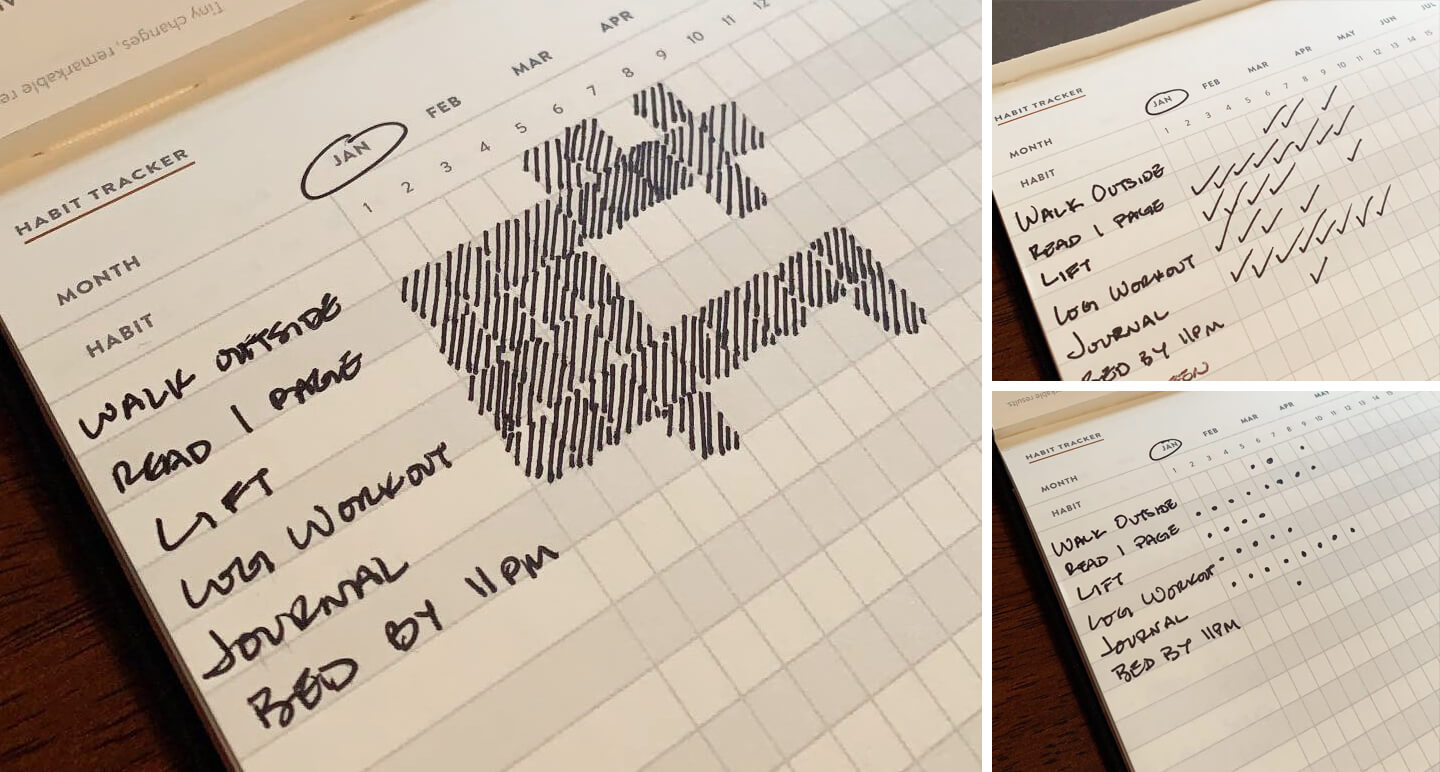
A habit tracker is a straightforward tool for recording whether you completed a specific behavior on a given day. The classic version uses a calendar: mark an X on each day you follow through. Over time, those marks form a streak that makes your effort visible. Some people shade in boxes, use checkmarks, or place dots. The format matters less than the record itself.
You do not need to track everything. The approach works best for new habits you are trying to start, or for behaviors you tend to forget when life gets busy. Small, daily actions are ideal—things like stretching for a minute, taking vitamins, or writing down one thing you are grateful for. Weekly or monthly routines, such as reviewing your finances or tidying a room, can also be logged. Some people even use a tracker to count behaviors they are trying to avoid.
Why This Matters
Feedback is often delayed when you are building a habit. You might run for weeks without seeing a change in the mirror, or meditate daily while still feeling stressed at work. Because long-term rewards take time to accumulate, you need short-term evidence that you are moving in the right direction.
Tracking supplies that evidence. It works through three main mechanisms. First, it creates a visual reminder to act. Second, it makes progress visible, which is motivating and makes you reluctant to break a streak. Third, it delivers immediate satisfaction the moment you record a win.
Research supports this approach. Studies have found that people who monitor goals such as weight loss, smoking cessation, or blood pressure tend to improve more than those who do not. In one large study, participants who kept a daily food log lost twice as much weight as those who did not track their meals. Tracking also keeps you honest, because it is harder to ignore your actual behavior when the evidence is right in front of you.
Key Takeaways
- Start small. Choose habits that take two minutes or less, such as stretching for one minute or noting one thing you are grateful for.
- Track selectively. It is better to monitor a few important habits consistently than to track many habits sporadically.
- Record immediately. Mark your tracker right after the behavior happens so the action itself becomes the cue to log it.
- Expect setbacks. Missing one day is normal. The goal is to avoid missing twice in a row, because repeated slips—not a single mistake—are what derail progress.
- Think long term. A habit is a lifestyle you maintain, not a finish line you cross. Tracking is a tool to help you stay on the path.
Conclusion
Habit tracking does not guarantee perfection, and it does not need to. Its real value is making your behavior visible so you can adjust, celebrate small wins, and return quickly after a setback. Whether you use a paper calendar, a printed template, or a digital tool, the act of recording your effort can turn an invisible process into something you can see, measure, and sustain.
Discussion
Join the conversation
Thoughtful reactions, questions, and follow-up ideas help shape the next story.