Introduction
Top performers in sports, business, and the arts rarely rely on guesswork. They measure their results, study the feedback, and adjust their approach. When it comes to building personal routines, that same principle applies: if you want a habit to stick, you need a way to see whether you are actually following through. A habit tracker offers exactly that kind of visibility.
What Happened
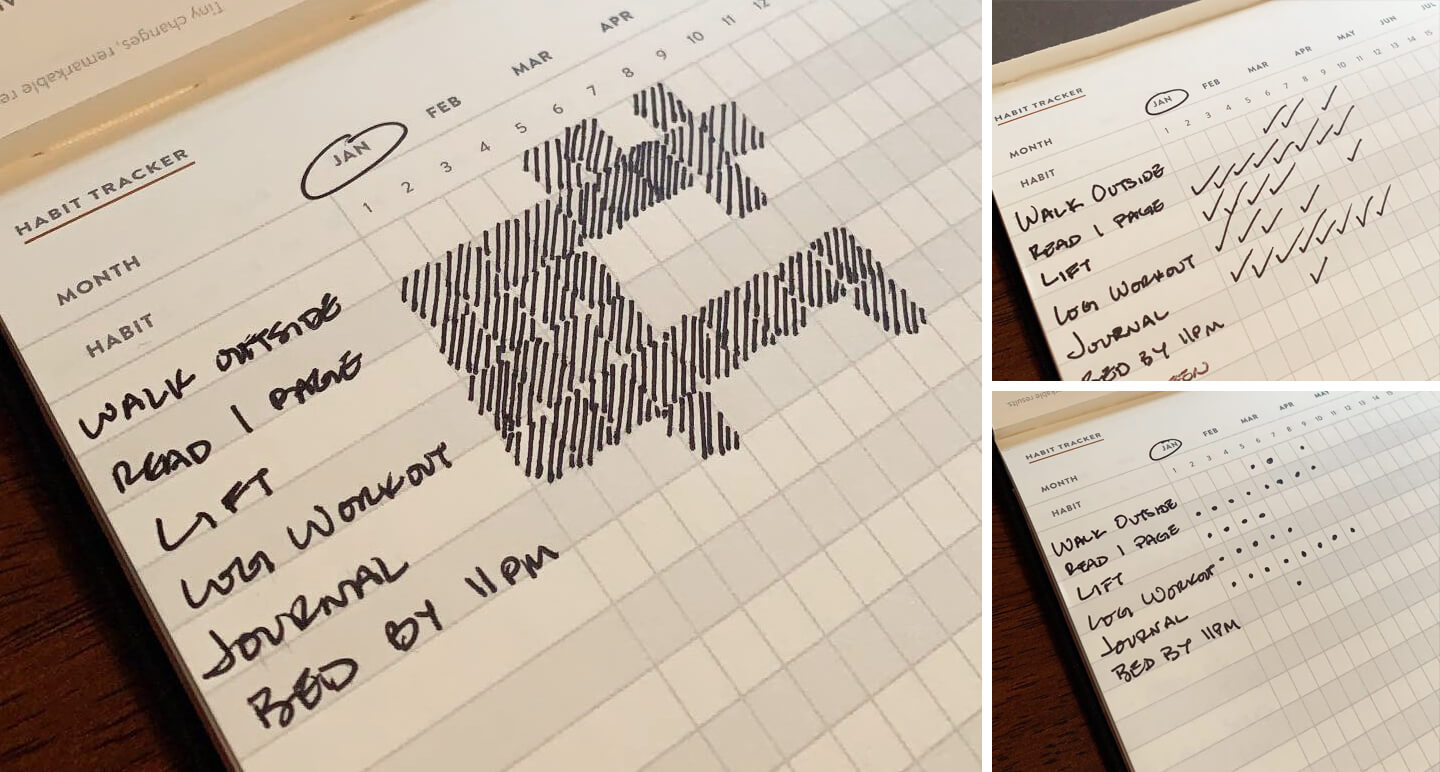
A habit tracker is a straightforward tool for recording whether you completed a specific behavior on a given day. The classic version uses a calendar: each day you stick with your routine, you mark the date with an X, a checkmark, or a shaded square. Over time, those marks form a streak that makes your consistency visible at a glance.
This approach turns abstract effort into concrete evidence. Instead of wondering if you have been meditating or taking your vitamins, you can look at the page and know for certain. The act of logging also creates a gentle reminder to keep going, because an empty square can feel like a missed opportunity.
Why This Matters
Building a habit is different from following a recipe. A chef can taste a sauce and know immediately whether it needs more salt. With personal routines, the payoff often arrives weeks or months later. You might run for a month without seeing a change in the mirror, or meditate for two weeks and still feel stressed at work. That delay makes it easy to quit before the benefits appear.
Tracking solves this problem by providing immediate feedback. Every time you mark your tracker, you receive a small signal that you showed up. Research supports the idea that people who monitor behaviors such as food intake, exercise, or spending tend to improve more than those who do not. The simple act of measurement can also reveal gaps between what you think you do and what you actually do each day.
Key Takeaways
- Start with behaviors that take two minutes or less so they feel easy even on difficult days.
- Focus on your most important habits rather than trying to track everything at once.
- Record your progress immediately after completing the habit to strengthen the connection between action and evidence.
- Use daily, weekly, or monthly formats depending on the behavior, and consider tracking things you are trying to avoid.
- If you miss a day, aim to resume as quickly as possible rather than letting one slip turn into a longer break.
Conclusion
A habit tracker is not a permanent crutch, but it is a useful tool for making progress visible. The goal is not a perfectly filled-in calendar; it is building a lifestyle you can maintain over years. When life interrupts your routine—and it will—the most important step is getting back on track quickly. One missed day is an accident; two missed days can become a new pattern. Keep the streak alive where you can, and restart right away when you cannot.
Discussion
Join the conversation
Thoughtful reactions, questions, and follow-up ideas help shape the next story.