Introduction
Mobile quality assurance teams often face a recurring challenge when automating user interface tests for applications with dynamic content. When screen elements like route geometry, camera position, or pin placement vary between test runs while the underlying functionality remains intact, traditional pixel-comparison approaches generate excessive false failures. inDrive's GeoWay team encountered this exact problem with their map-based features and developed an AI-powered solution to keep their test suite both reliable and maintainable.
What Happened
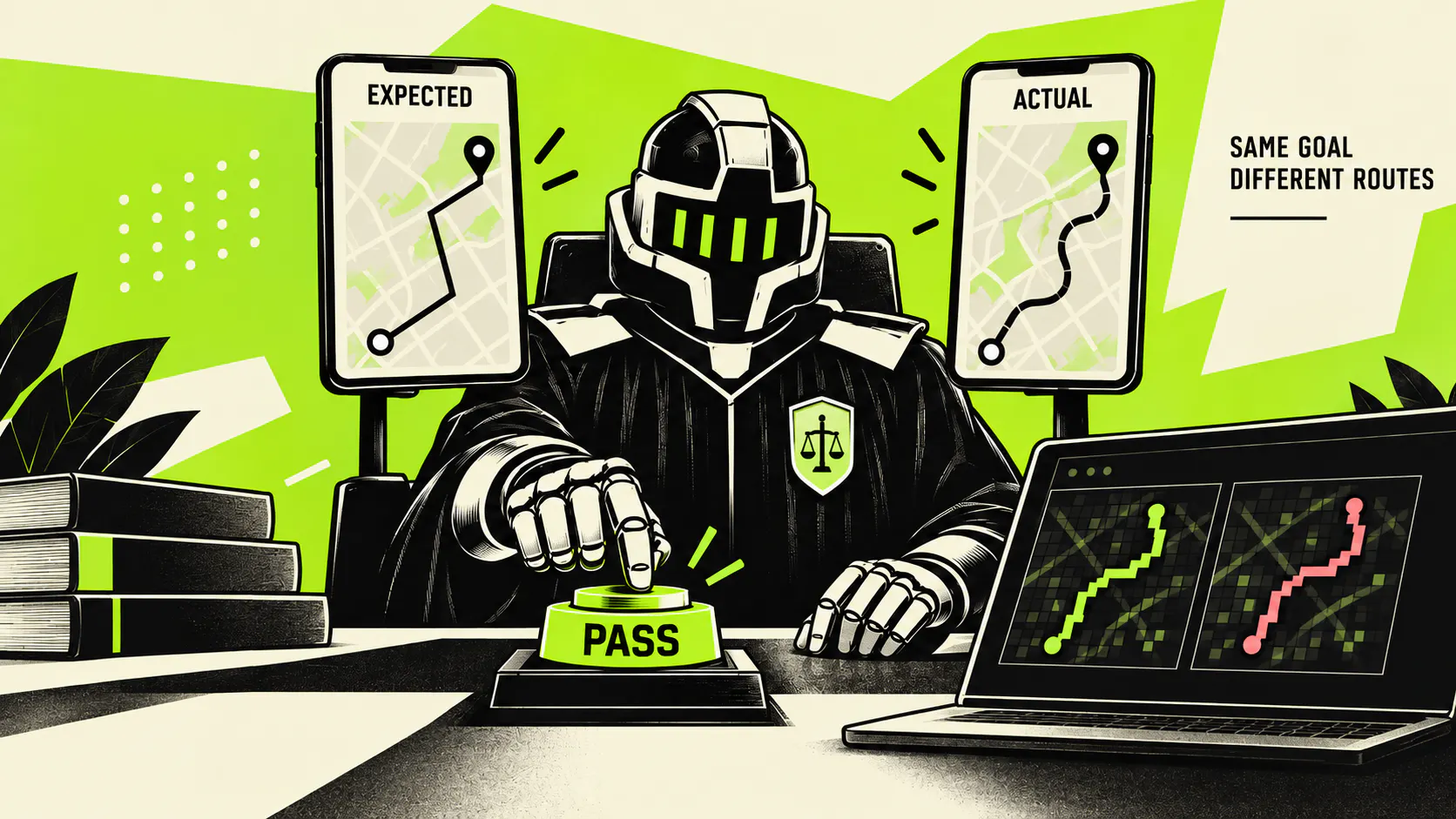
The team's original testing framework stored a golden screenshot and used a pixel comparer to validate each new run against that reference. For stable interfaces this approach works well, but maps present unique challenges: route paths can shift slightly, camera positioning may adjust, and pin locations can fluctuate based on routing provider data all while the screen functionally remains correct. A pixel-by-pixel diff cannot distinguish between a meaningful bug and these harmless visual variations leading to a flood of red test results that required manual triage.
In two recent nightly runs the test suite dropped from 47 failing tests to just 8 after the team integrated an AI evaluation layer. On iOS failures decreased from 15 to 4; on Android from 32 to 4. Many of the removed cases had previously reached manual review and been confirmed as valid screens despite the visual differences.
AI Judge does not run on every test check. It activates only when the pixel difference exceeds the normal threshold but stays within a secondary configurable limit. The model receives the expected and actual screenshots and evaluates whether the displayed content satisfies the test's specific expectations such as route continuity correct point connections and proper icon placement rather than measuring overall visual similarity.
Why This Matters
The real impact emerged when the team evaluated how many previously manual tests could now be automated. In a regression suite of approximately 120 test cases all 120 required manual execution before the AI integration. With the new approach roughly 100 cases became fully automatable leaving about 20 for manual review. The team estimates this saves approximately two hours of manual work per regression cycle though the exact savings vary by run.
Despite involving a machine-learning model the cost proved negligible. Token usage for a single regression run came to roughly $0.10 in total a small expense compared to the engineering hours saved by avoiding manual screenshot review. The team also tracks token counts directly in their test reports so usage scales predictably as the suite grows.
Prompt quality emerged as a critical factor. During the first month of deployment the team discovered that incomplete prompt expectations often caused the model to make reasonable but incorrect rulings. When the route must connect specific points when certain icons must appear in a particular state or when color matters these conditions need explicit specification in the test expectations. The team now treats prompt definitions as integral test code reviewing them with the same care they apply to assertions.
Key Takeaways
- AI Judge targets the ambiguous middle ground where deterministic checks cannot decide whether a visual change matters.
- It evaluates screens against explicit test expectations rather than generic similarity metrics.
- Keeping the evaluation narrow makes results easier to understand and review.
- Deterministic checks like pixel comparison and Appium remain the first line of defense AI fills the gap only when needed.
- Automating reference screenshot updates through a separate workflow further reduces repetitive overhead.
- The approach applies beyond maps any team working with dynamic content canvas-based interfaces or third-party visual components can benefit from this pattern.
Conclusion
inDrive's AI Judge was not built to replace their existing testing stack. Appium pixel comparators and existing thresholds remain in place. The model fills a narrow but critical gap it answers the practical question of whether a visual difference represents an actual defect or merely acceptable noise. For the GeoWay team this meant less noise faster feedback and the ability to automate test cases that were previously too unstable to script. The team continues to refine prompt expectations track token usage and review real regression runs ensuring the approach stays reliable as their test suite evolves.



Discussion
Join the conversation
Thoughtful reactions, questions, and follow-up ideas help shape the next story.