Introduction
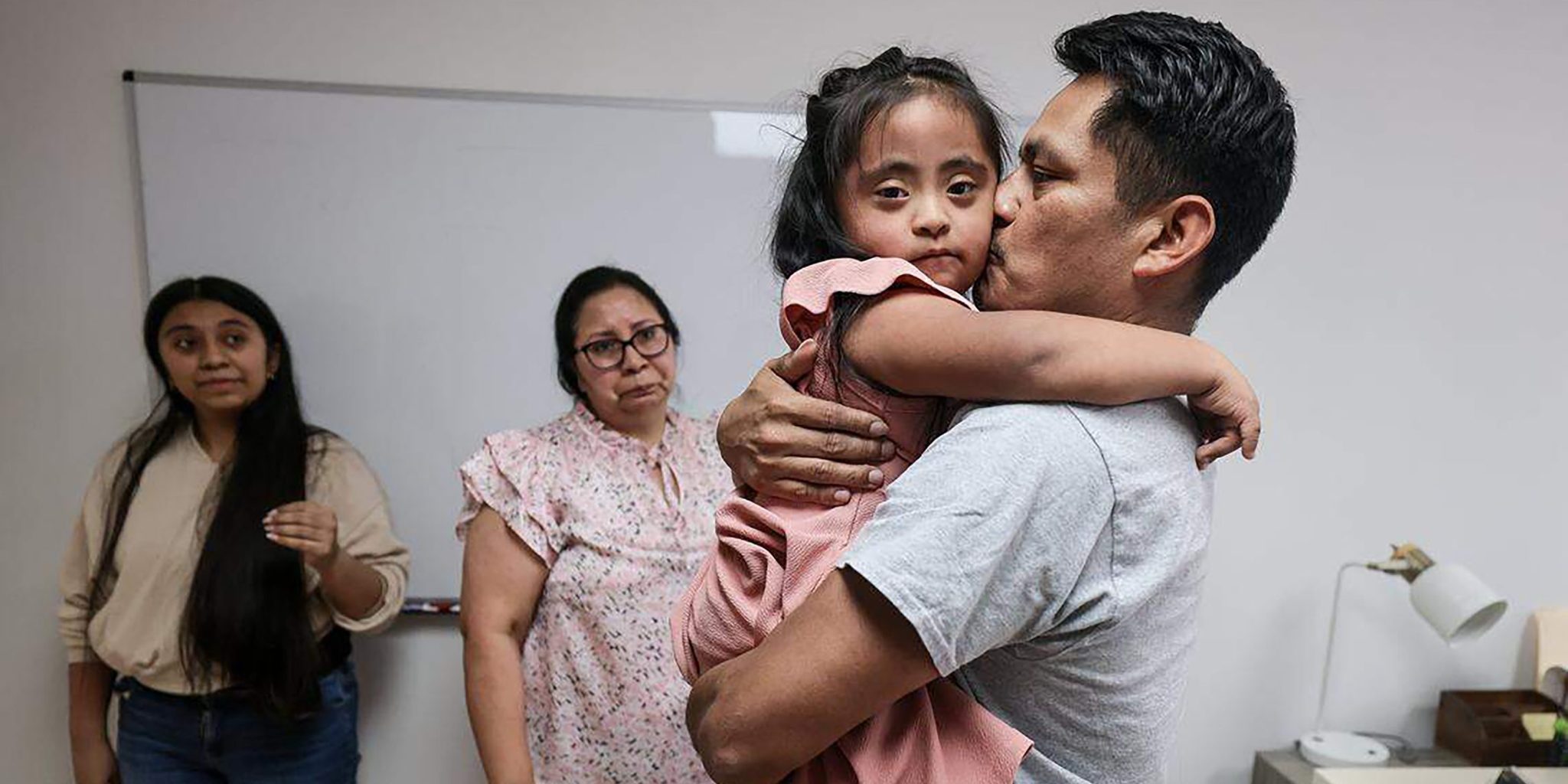
The Department of Housing and Urban Development has finalized a regulation that could end rental assistance for tens of thousands of families whose members hold different immigration statuses. Set to take effect in mid-December, the policy would end a longstanding practice that allowed eligible household members to keep their vouchers while ineligible relatives remained in the home. Housing advocates warn the change could push thousands of children into homelessness or force parents to choose between splitting up and losing their housing.
What Happened
HUD released the final rule in November 2026. Under current rules, families with mixed immigration status can receive prorated housing aid—for instance, a household with one ineligible member might still cover much of its rent through a partial subsidy. The new rule would withdraw assistance from the entire family if any member lacks eligible status after a brief grace period. Estimates from the Center on Budget and Policy Priorities suggest nearly 80,000 people could lose support, and close to 37,000 of them are children.
The regulation also expands documentation requirements. U.S. citizens would now have to verify their status through the Systematic Alien Verification for Entitlements (SAVE) program, a database previously used mainly for non-citizens. Families would have 30 days to prove eligibility, followed by another 30 days to produce supporting documents if the system cannot confirm their status. Older immigrants, who were previously exempt from verification, would face the same requirements.
Why This Matters
Experts say the policy would destabilize not only mixed-status households but the broader federal housing system. Roughly 9 million people rely on HUD-assisted housing, and many would encounter new paperwork hurdles. Housing agencies would also need additional staff to review documents, creating administrative costs that HUD's own analysis estimates at $300 million to serve the same number of families.
At the same time, the administration has proposed cutting $3.8 billion from affordable housing and homelessness programs. Advocates argue the rule amounts to scapegoating immigrant families while reducing overall housing support. Most affected families live in high-cost states such as California, Texas, and New York, where losing assistance could mean displacement from their communities.
Key Takeaways
- Nearly 80,000 people, including about 37,000 children, could lose federal housing assistance under the new HUD rule.
- Mixed-status families would no longer be able to receive prorated aid if one member is ineligible.
- The rule takes effect in mid-December and presents families with the choice of splitting up or losing their housing.
- U.S. citizens must now use the SAVE verification system to prove housing eligibility.
- HUD estimates the change could cost $300 million in added administrative expenses.
Conclusion
HUD Secretary Scott Turner has defended the rule by arguing that mixed-status families take housing away from eligible U.S. citizens, but housing policy analysts say the change would make conditions worse for everyone in the system. For families facing the prospect of homelessness or separation, the coming weeks will be critical. Whether through legal challenges or congressional action, the rule's future remains uncertain, but its potential impact on vulnerable children and households is already drawing sharp criticism from national housing organizations.
Discussion
Join the conversation
Thoughtful reactions, questions, and follow-up ideas help shape the next story.