Introduction
Twelve humanitarian organizations are urging Congress to examine civilian casualties stemming from the U.S. military's campaign in Yemen, arguing that the Pentagon has failed to account for the human cost of its operations. The appeal comes after an impeachment effort against Defense Secretary Pete Hegseth did not succeed, leaving him in charge of the Defense Department as questions mount about civilian harm prevention.
The coalition, which includes Amnesty International USA, Airwars, the Center for Civilians in Conflict, and Mwatana for Human Rights, sent a letter to lawmakers calling for robust oversight of what the Pentagon calls Operation Rough Rider. The groups warn that without intervention, the 2025 conflict could fade from public attention and become an overlooked conflict.
What Happened
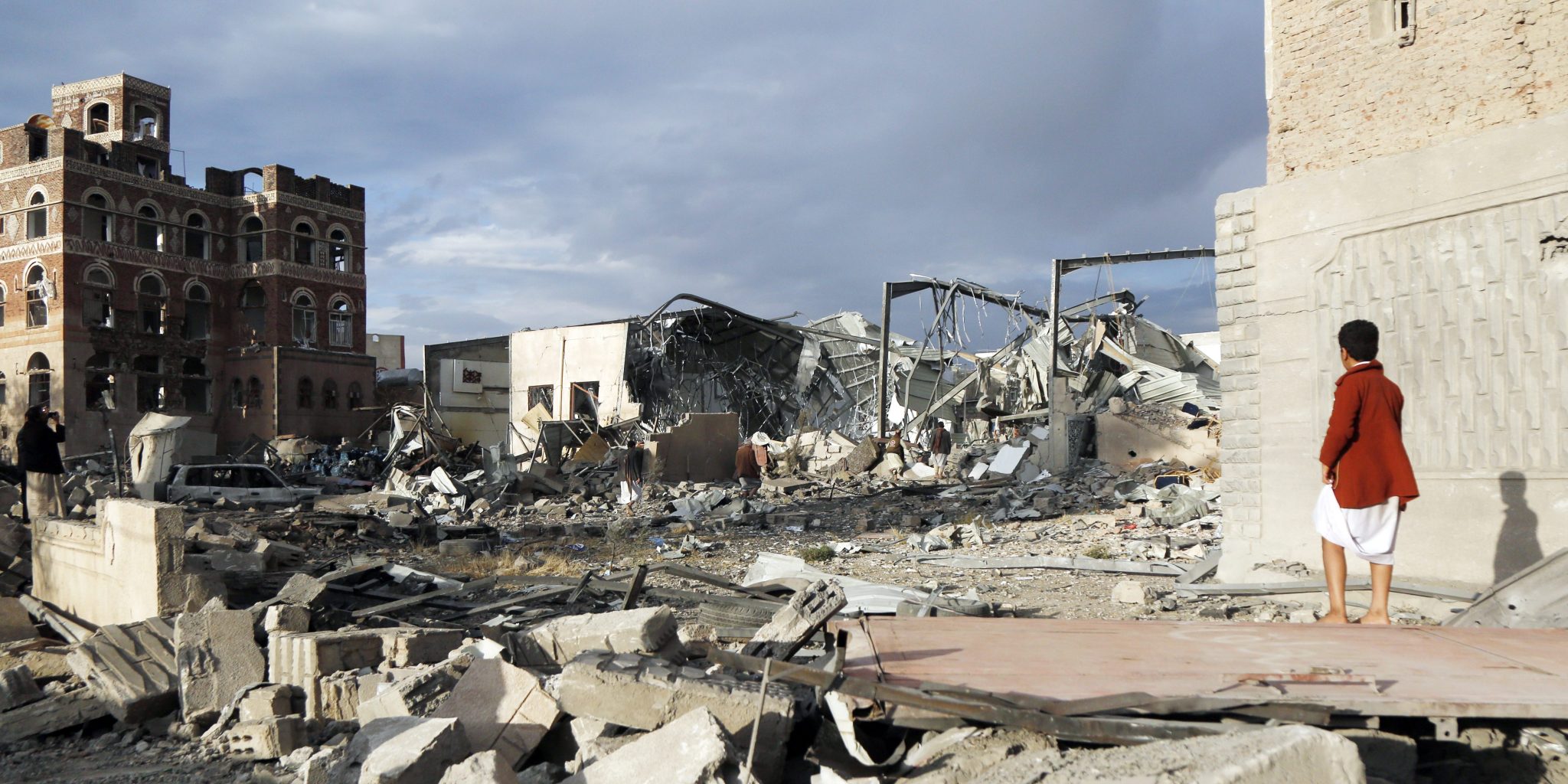
Operation Rough Rider ran for 52 days between March and May 2025 against Yemen's Houthi leadership. According to the Pentagon's own report to Congress, three strikes alone produced nearly 400 civilian casualties: 153 deaths and 243 injuries. Those incidents included an April 6 strike in Sanaa, an April 17 attack on the Ras Isa Port, and an April 28 strike on a migrant detention center in Saada.
Independent monitors dispute the official figures. The Yemen Data Project estimates that at least 238 civilians were killed and 467 injured during the campaign. Survivors interviewed by Amnesty International described lasting physical and psychological harm, including a 22-year-old Ethiopian man injured in the Saada detention center strike who said he relies on painkillers and struggles with a metal rod implanted in his arm.
The humanitarian letter also details a steep decline in Pentagon resources dedicated to protecting civilians. The civilian harm mitigation team at Central Command has been reduced from ten staff members to a single individual. Meanwhile, the Civilian Protection Center of Excellence saw its workforce fall from 40 people in January 2025 to nine by the end of that year. More than a year after the operation ended, 15 additional attacks remained under assessment.
Defense Secretary Hegseth has publicly praised the operation, telling reporters at a Pentagon press conference that the Houthis had effectively surrendered. However, a post-mortem published by the Combating Terrorism Center at West Point concluded that Houthi leaders may believe they can outlast the United States, similar to the Taliban in Afghanistan.
Why This Matters
The reduction in civilian protection staff raises concerns about the military's ability to track harm, investigate incidents, and prevent future casualties. A War Department inspector general report described civilian protection efforts as largely inactive, and Democratic lawmakers wrote to Hegseth in July warning that cuts to mitigation programs left the Pentagon unable to meet its legal responsibilities.
The groups also criticized the Pentagon's decision not to offer condolence or ex gratia payments to victims of the three acknowledged Yemen strikes, calling the determination premature and arbitrary. They are asking Congress to mandate minimum staffing levels, earmark funding for civilian harm mitigation, and release a lessons-learned study on Operation Rough Rider that has been withheld for months.
Observers note a potential connection between the Yemen operation and civilian harm in other conflicts. The Pentagon has acknowledged a strike on an elementary school in Minab, Iran, that killed more than 150 people, most of them children, but has not provided detailed answers about that attack or other Iranian civilian casualties. One former defense official questioned how the military can address hundreds of cases in Iran when Yemen remains unresolved.
Key Takeaways
- A coalition of 12 humanitarian groups sent a letter to Congress demanding oversight of civilian harm in Yemen.
- The Pentagon acknowledged nearly 400 civilian casualties from three strikes during the 52-day Operation Rough Rider.
- Independent monitors estimate a significantly higher toll, with at least 238 civilians killed and 467 injured.
- Civilian harm mitigation staffing at Central Command was cut from 10 people to 1, and the Civilian Protection Center of Excellence dropped from 40 to 9 employees.
- The organizations want Congress to restore funding, require minimum staffing, and compel the release of an internal review of the Yemen operation.
Conclusion
With Democrats poised to lead both chambers of Congress, the humanitarian groups see an opening to press for accountability. Yet the incoming chairs of the armed services committees have not publicly committed to making Yemen a priority, and neither the White House nor Central Command has responded to questions about the status of civilian harm investigations.
The letter frames the Yemen campaign as a test case for whether the U.S. military will learn from its mistakes or allow another conflict to slip into obscurity. For survivors and advocacy groups, the path forward depends on whether Congress chooses to exercise its oversight authority before the details of Operation Rough Rider are lost to bureaucratic delay.
Discussion
Join the conversation
Thoughtful reactions, questions, and follow-up ideas help shape the next story.