Introduction
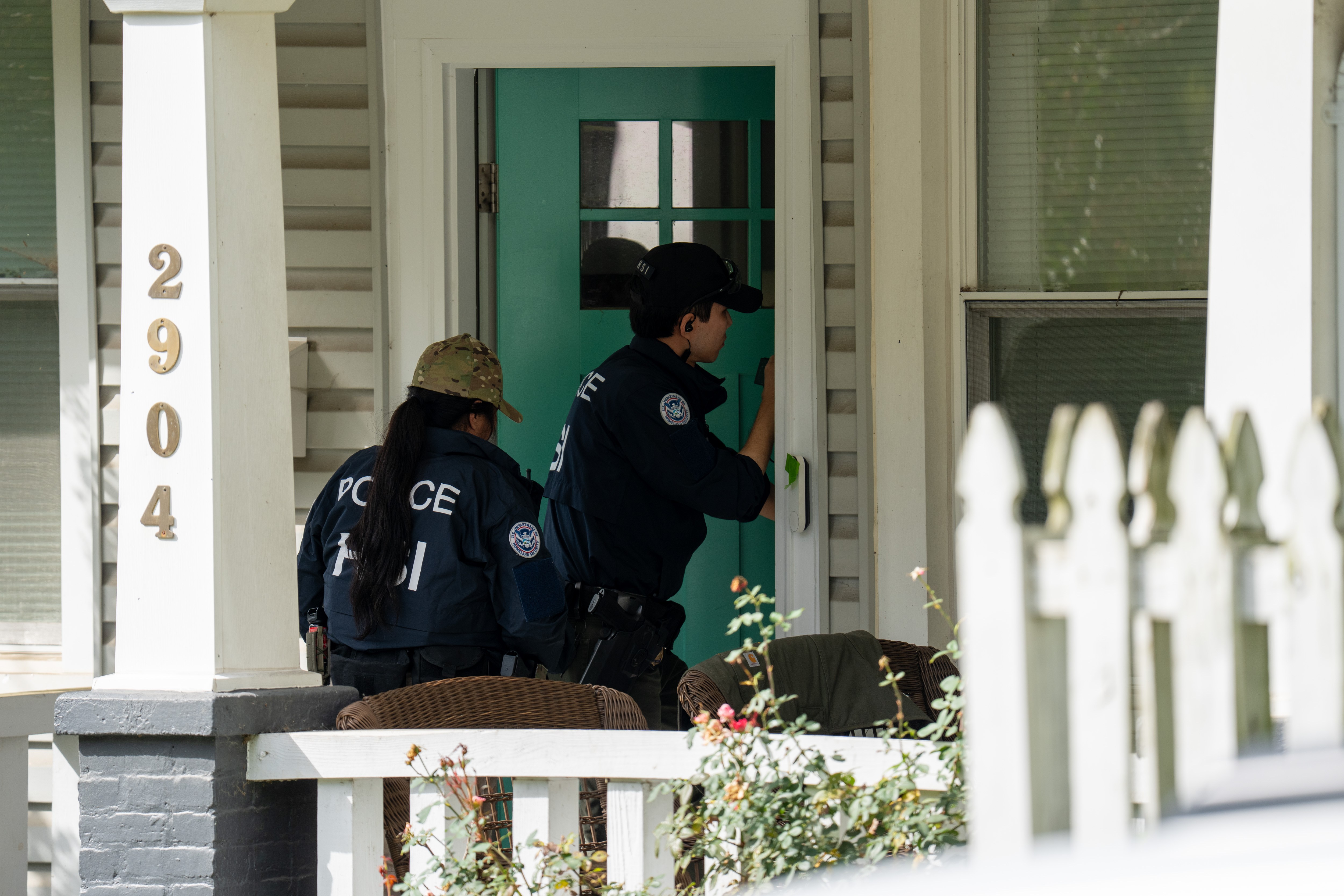
The opening scene of federal agents descending on a sitting congressmember's home is usually reserved for headlines about foreign strongmen, not U.S. elected officials. Yet on October 12, 2026, that is exactly what happened, as ICE agents executed a search warrant at Representative Ilhan Omar's Washington, D.C., residence, framing the action as part of an ongoing criminal investigation.
What Happened
Homeland Security Investigations, the investigative wing of ICE, conducted the raid on Omar's home, with officials describing it as part of a federal probe into alleged immigration fraud. The timing—just weeks before a pivotal election—and the public comments from Vice President JD Vance and Homeland Security Secretary Markwayne Mullin suggesting Omar violated immigration law have drawn sharp criticism. Omar, a refugee who arrived in the U.S. as a child from Somalia, denies the allegations and is on the ballot for reelection.
Why This Matters
Beyond the immediate legal proceedings, the raid sits at the intersection of immigration enforcement, racialized political attacks, and the consolidation of executive power. Critics warn it reflects a broader pattern of weaponizing federal agencies against marginalized opponents, especially as courts and other checks have increasingly deferred to expansive executive authority. The incident raises urgent questions about the durability of democratic norms when federal power is deployed against political rivals.
Key Takeaways
- The raid represents a significant escalation in the federal targeting of a sitting congressmember.
- Rhetoric from top officials frames the action within a politically charged immigration narrative, though the context is unmistakably political.
- Legal and democratic institutions are under strain, with courts having previously accommodated wide executive latitude.
- Resistance—legal, political, and popular—will be essential to counter further overreach.
- Independent journalism and an engaged public remain vital watchdogs in this environment.
Conclusion
The search of Ilhan Omar’s home is a test of whether democratic institutions can withstand a presidency willing to deploy federal power against political adversaries. As the 2026 election cycle intensifies, the response from voters, elected leaders, and civil society will shape the future of executive restraint. Sustained vigilance, organized opposition, and support for independent media are not optional—they are the price of maintaining a functioning democracy.


Discussion
Join the conversation
Thoughtful reactions, questions, and follow-up ideas help shape the next story.