
Introduction
\nThe October 8 shooting of Oscar Belgal, a 28-year-old father, by an ICE agent in Manhattan has ignited a firestorm over policing, immigration enforcement, and the limits of local authority. Mayor Zohran Mamdani found himself at the center of the crisis, facing demands to protect New Yorkers from both federal agents and a police department under intense scrutiny.
\n\nWhat Happened
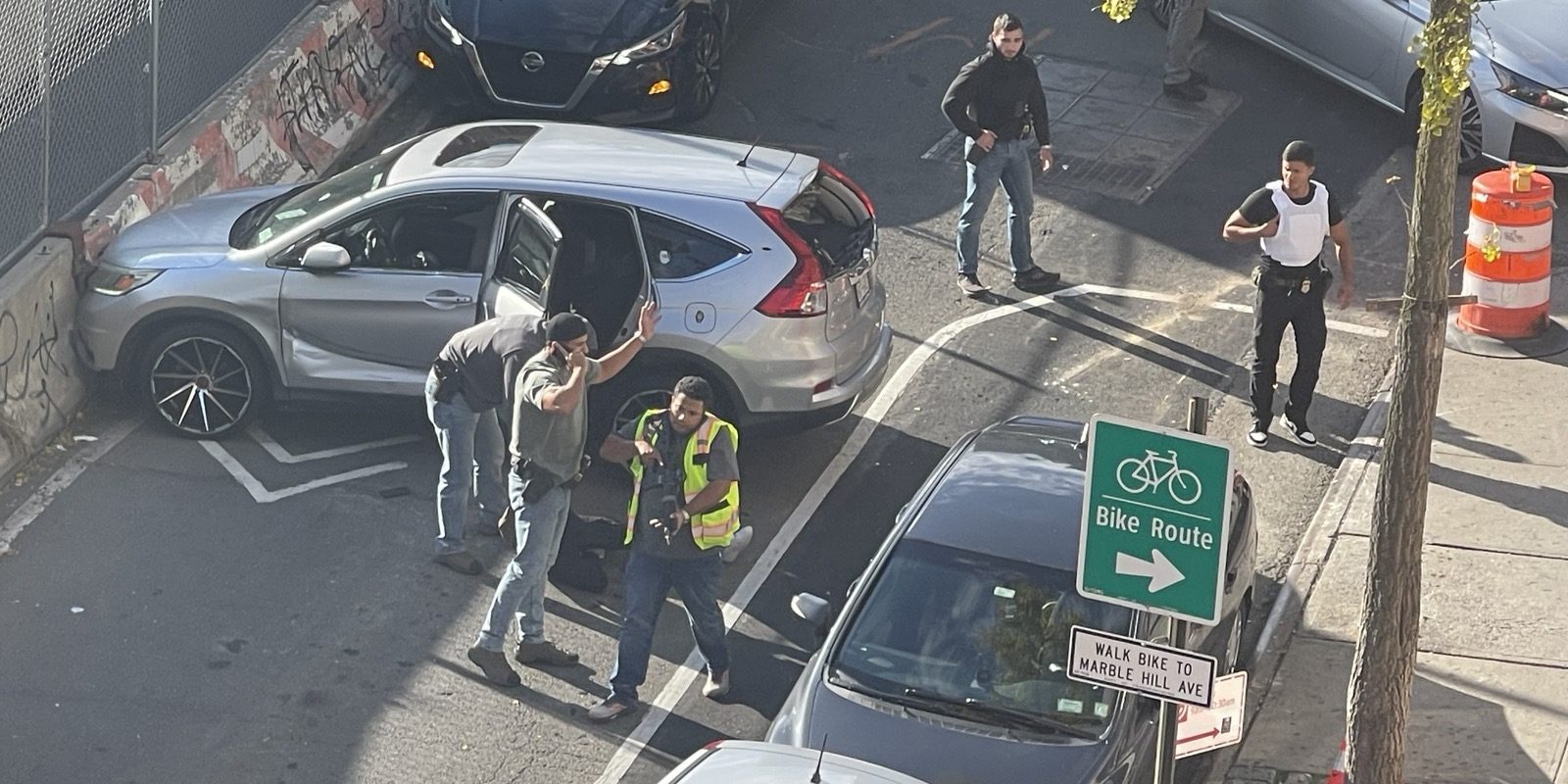
\nOn Thursday evening, an ICE agent shot Belgal in front of his 5-year-old child, prompting immediate outrage and a night of protests across the city. Mayor Mamdani stood alongside NYPD Commissioner Jessica Tisch at a press conference, where they addressed the incident and the city's response. Witnesses reported that Pete Gizas, acting special agent in charge of Homeland Security Investigations in New York, was present at the scene, liaising directly with NYPD personnel and reportedly moving door-to-door with federal agents. The NYPD maintained it has no official partnership with ICE, citing sanctuary city laws, yet shares fingerprint data and other information that advocates say facilitates federal operations. Throughout the night, officers pushed demonstrators, including knocking down activist Darializa Avila Chevalier, and made five arrests, issuing summons rather than mass detention. The Democratic Socialists of America called for NYPD Commissioner Tisch's resignation, while immigrant rights groups emphasized the daily, often invisible, collaboration between city agencies and ICE.
\n\nWhy This Matters
\nThe incident lays bare the tension between NYC's sanctuary city identity and the reality of federal immigration enforcement operating within its borders. Mamdani has positioned himself as a critic of ICE, calling the agency rotten to its core, yet critics argue that words alone are insufficient without concrete policy changes. Advocates point to daily collaborations between the NYPD, the Department of Correction, and the Department of Probation with ICE as ongoing risks to immigrant communities. City Council bills aimed at limiting such cooperation, reintroduced after years of stagnation, may offer a legislative path forward, though their fate remains uncertain amid federal pressure. The response also reignited debate over the NYPD's role in protest policing, with footage showing aggressive tactics against demonstrators demanding accountability.
\n\nKey Takeaways
\nKey points from the incident:
\n- \n
- An ICE agent shot a father in front of his child, triggering immediate public outcry. \n
- Mayor Zohran Mamdani faced pressure to move beyond rhetoric and outline specific actions against ICE cooperation. \n
- NYPD Commissioner Jessica Tisch attended the mayor's press conference, underscoring the close local-federal nexus. \n
- Homeland Security Investigations personnel were present at the scene, coordinating with NYPD despite no formal partnership. \n
- Advocates argue that daily data and resource sharing between city agencies and ICE undermines sanctuary protections. \n
- Pending city council bills could reshape inter-agency cooperation, but legislative momentum is uncertain. \n
- The episode has intensified calls for disbanding the NYPD's Strategic Response Group and redefining protest policing rules. \n
Conclusion
\nAs New Yorkers process the latest violence at the intersection of local and federal enforcement, the spotlight remains on Mayor Mamdani's next moves. Whether he can translate public outrage into concrete policy shifts or whether ICE operations will continue with local facilitation will likely shape the city's approach to immigration enforcement for months to come. The coming weeks will test whether symbolic condemnations translate into the structural changes advocates say are long overdue.



Discussion
Join the conversation
Thoughtful reactions, questions, and follow-up ideas help shape the next story.