Introduction
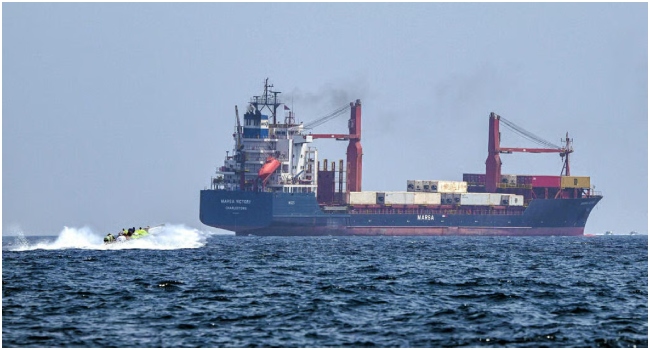
A new diplomatic initiative surrounding the strategic Strait of Hormuz has reignited attention on one of the world's most critical maritime chokepoints. Iran announced a conditional seven-day plan to restore normal shipping flow, while former President Donald Trump reportedly dismissed the offer, keeping U.S.-Iran tensions firmly in the spotlight.
What Happened
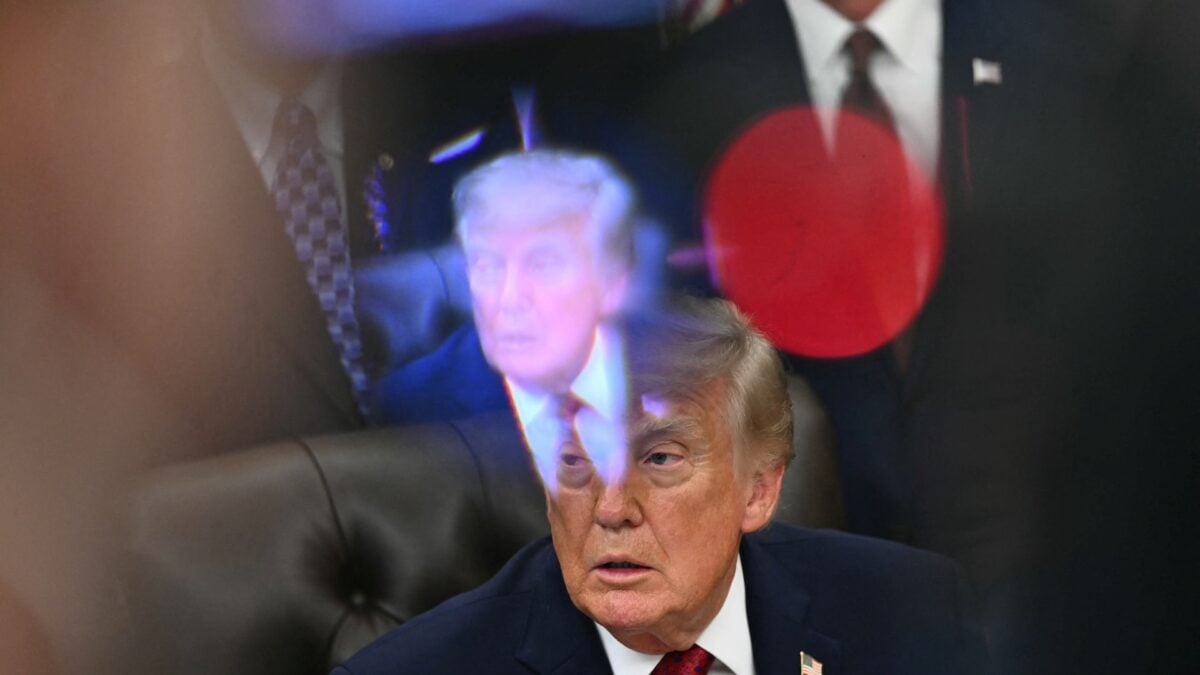
Iran's Foreign Minister Abbas Araghchi presented a seven-point proposal at the UN General Assembly in New York, contingent upon a ceasefire across the Middle East, the release of roughly $12 billion in frozen Iranian assets, and the lifting of sanctions on Iranian oil exports. In exchange, Iran would reopen the Strait of Hormuz to unrestricted maritime passage within seven days. However, within hours, The Wall Street Journal reported that Trump had rejected the proposal, with U.S. officials citing doubt over Iran's willingness to comply. The report noted the president was skeptical Tehran would meet his conditions and even shared a Truth Social map labeling the waterway "Trump Strait." Earlier media reports indicated the plan also called for a seven-day halt to hostilities in Lebanon and Yemen.
Why This Matters
The Strait of Hormuz handles roughly one-fifth of global oil consumption, making its status a direct factor in worldwide fuel prices and energy security. The failed diplomatic push underscores the depth of mistrust persisting between Washington and Tehran after nearly seven months of stalemate, especially following the collapse of a June memorandum of understanding that unraveled when Iran intercepted commercial vessels in the waterway. Iran maintains that ships must obtain authorization before transit, a requirement the U.S. and its allies view as a leverage point for coercion.
Key Takeaways
- Iran proposed a seven-day ceasefire and asset release framework to restore Hormuz shipping.
- Former President Donald Trump reportedly rejected the plan, expressing doubt over Iranian compliance.
- The proposal included lifting sanctions, unfreezing $12 billion in Iranian assets, and halting hostilities in Lebanon and Yemen.
- The Strait of Hormuz is a critical chokepoint for global oil supply, directly affecting energy markets.
- Diplomatic efforts via Qatar and the UN have so far failed to bridge the gap between U.S. and Iranian demands.
Conclusion
With the U.S. reportedly closing the door on Iran's Hormuz proposal, the strategic waterway remains a flashpoint in U.S.-Iran relations. Whether diplomatic channels can revive remains uncertain, but the situation highlights how maritime chokepoints continue to shape global energy stability and geopolitical leverage.

Discussion
Join the conversation
Thoughtful reactions, questions, and follow-up ideas help shape the next story.