Introduction
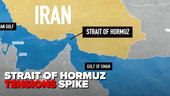
The Strait of Hormuz remains one of the world's most critical chokepoints for global oil supplies, and recent diplomatic moves have reignited attention on the fragile US-Iran relationship.
What Happened
Iran announced a seven-day proposal aimed at reopening the strategic waterway, contingent on meeting specific conditions set by Tehran. According to Iranian officials, the plan includes a ceasefire across the Middle East, the release of billions in frozen Iranian assets, and the lifting of sanctions on Iranian oil exports.
Hours later, reports indicated that former President Donald Trump had rejected the proposal, citing skepticism that Iran would fulfill the required conditions. Trump reportedly shared a map on his Truth Social platform showing the strait labeled Trump Strait, and officials suggested he views a renewed military campaign as likely.
The diplomatic exchange followed meetings between Iran's Foreign Minister Abbas Araghchi and Trump envoy Steve Witkoff, as well as a previously signed memorandum of understanding aimed at restoring normal maritime passage and launching nuclear talks.
Why This Matters
Reopening the Strait of Hormuz directly affects global energy markets, as the waterway handles a significant portion of daily crude oil shipments. A prolonged closure or heightened tension risks price spikes and supply disruptions for countries dependent on Middle Eastern oil.
The proposal's conditions including a seven-day ceasefire, asset release, and sanctions relief represent a potential de-escalation path, but Trump's reported rejection underscores the deep mistrust persisting between the two nations. Analysts warn that without a breakthrough, the risk of intermittent clashes, such as naval confrontations and retaliatory strikes, remains elevated.
Key Takeaways
- Iran proposed a seven-day plan to reopen the Strait of Hormuz, contingent on ceasefire, asset release, and sanctions lifting.
- Former President Donald Trump reportedly rejected the proposal, expressing doubt Iran would meet his demands.
- The plan also calls for the release of at least $12 billion in frozen Iranian assets and an end to the US naval blockade.
- Diplomatic meetings between Iranian and US envoys took place at the UN General Assembly in New York.
- A renewed military escalation remains a concern, with Trump reportedly open to a new bombing campaign.
Conclusion
The latest Hormuz proposal highlights the ongoing volatility in US-Iran relations and the high stakes involved in reopening one of the world's most vital oil chokepoints. Whether diplomatic channels can overcome the current impasse will likely depend on both sides' willingness to move beyond coercive rhetoric and toward verifiable commitments.



Discussion
Join the conversation
Thoughtful reactions, questions, and follow-up ideas help shape the next story.