Introduction
As the 2026 midterm election day approaches, a wave of urgent developments dominates the news cycle. From a tightly contested Israeli prime ministerial race to a devastating Ebola milestone, and from Federal Reserve policy shifts to historic campaign spending, this week's headlines shape the political and health landscape ahead of a pivotal election.
What Happened
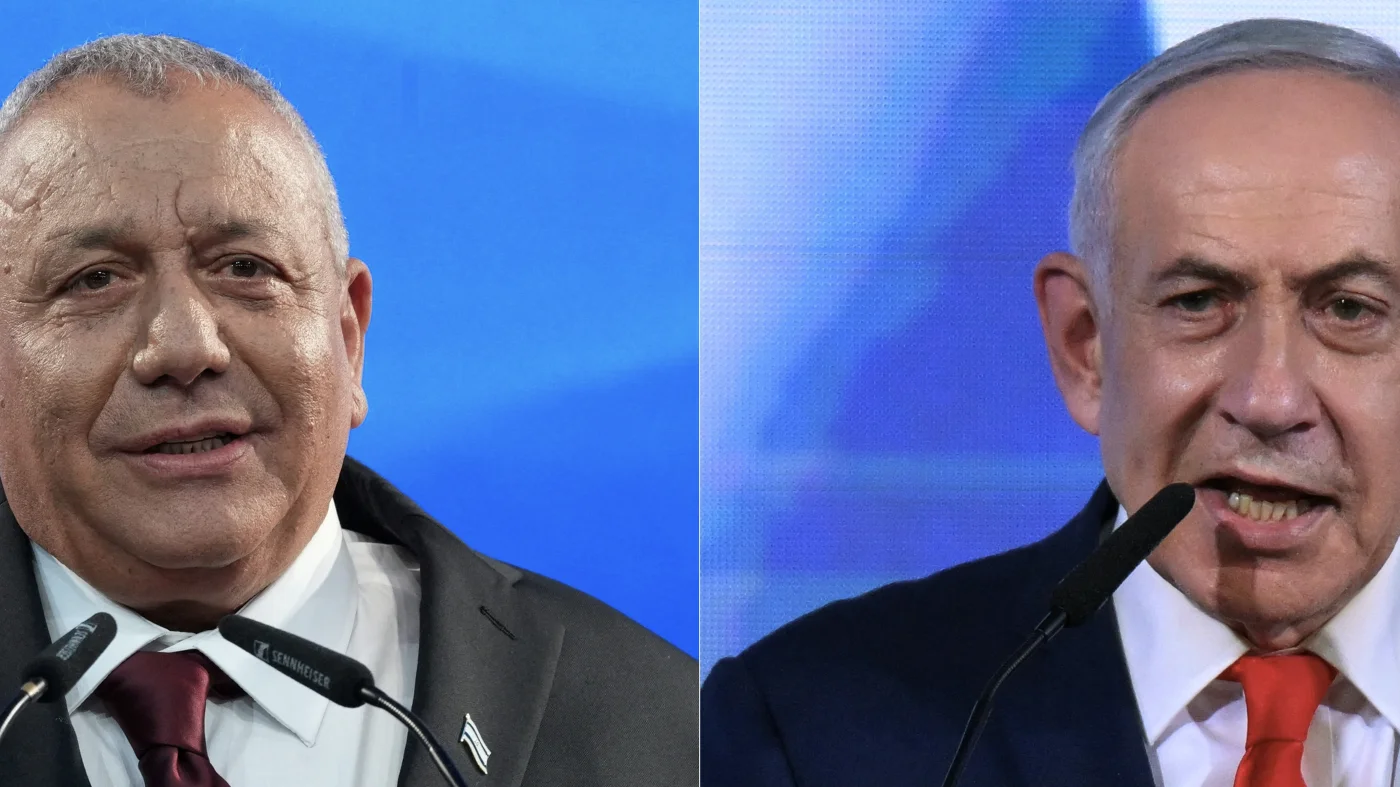
Israeli voters turned out in record numbers, yet the race for prime minister remains too close to call. Prime Minister Benjamin Netanyahu faced a strong challenge from former military chief Gadi Eisenkot, with final vote tallies still pending and coalition formation expected to take days or weeks. Meanwhile, the Ebola outbreak declared in May has now infected more than 10,000 people across multiple countries, marking the largest geographic spread in history and the second-deadliest outbreak on record, with nearly 5,000 deaths, including a disproportionate number of children. At home, over $11 billion has already been poured into midterm campaign ads, President Trump has been rallying supporters in key states, and the Federal Reserve held interest rates steady amid persistent inflation concerns.
Why This Matters
The Israeli election's outcome could reshape regional dynamics, especially as neither candidate appears to have a clear path to a majority, forcing weeks of coalition negotiations. The Ebola surge underscores ongoing global health vulnerabilities, particularly for children, and highlights the need for coordinated international response. For the United States, the midterm spending surge and Trump's aggressive campaigning signal a highly competitive battle for Senate control, which will influence the final two years of the current administration's agenda and set the stage for the 2028 general election. Federal Reserve decisions on interest rates will also directly affect borrowing costs as inflation remains above target.
Key Takeaways
- Israel's election remains too close to call, with coalition-building likely the decisive factor.
- Ebola has infected over 10,000 people, marking one of the largest outbreaks in recent history, especially among children.
- Midterm campaign spending has surpassed $11 billion, reflecting the high stakes of congressional control.
- The Federal Reserve held rates steady, even as inflation stays above target levels.
Conclusion
As Election Day nears, the interplay of international politics, global health, and domestic economic policy feels more urgent than ever. For readers seeking balance amid the noise, writer Caroline Sylge suggests a dedicated day to review your calendar and thoughtfully decline upcoming obligations, creating space for what truly matters.





Discussion
Join the conversation
Thoughtful reactions, questions, and follow-up ideas help shape the next story.