Introduction
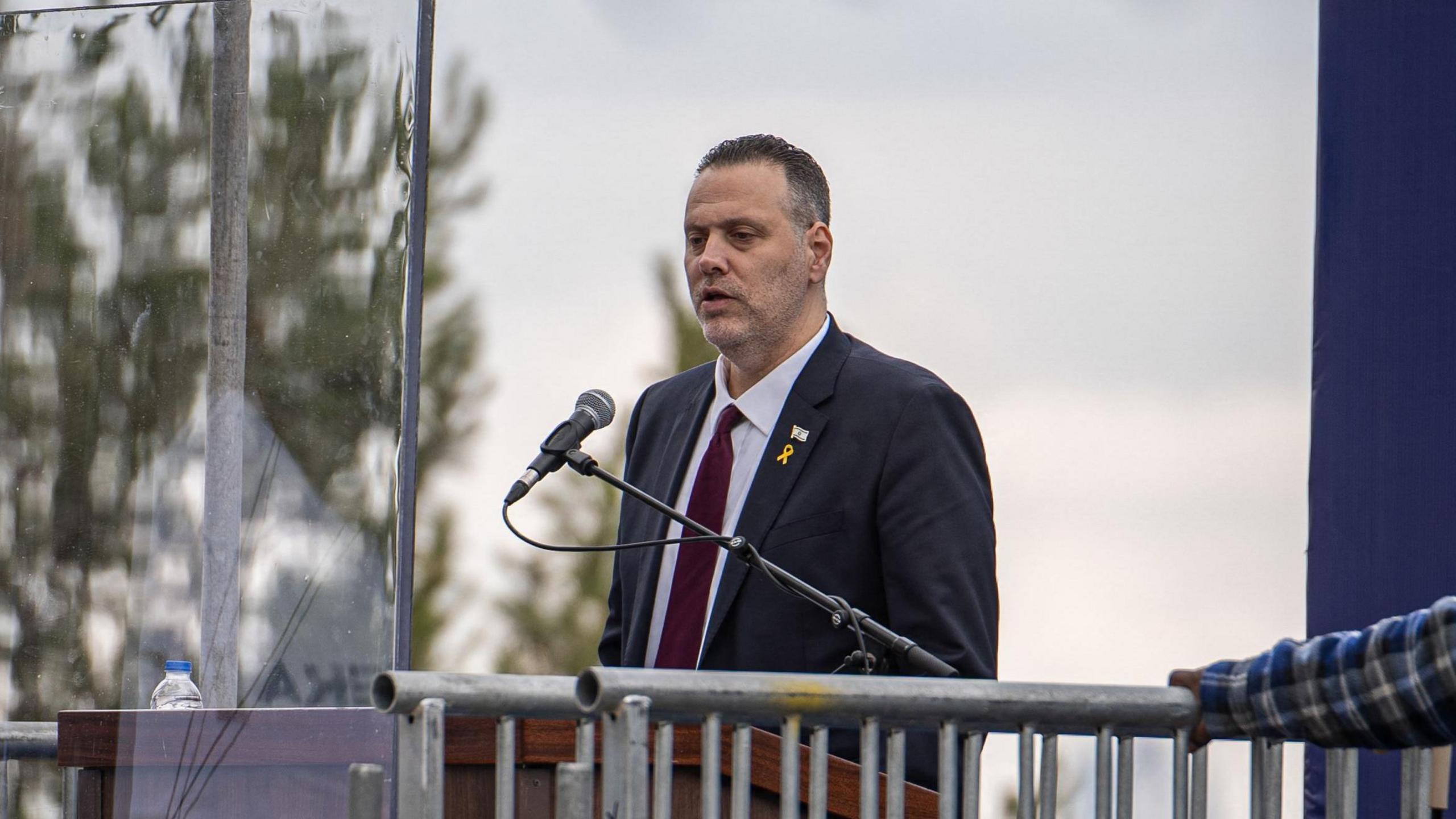
Israel's culture minister has intensified pressure on filmmakers behind a new Gaza documentary, calling for the possible revocation of their citizenship over allegations the film amounts to treason. The move escalates tensions between artistic expression and state policy in the ongoing conflict.
What Happened
Minister Zohar took to social media demanding authorities investigate how the documentary Naza was produced, who was behind it, and whether its creation amounted to aiding the enemy during wartime. The film, co-directed by Yuval Abraham and Rachel Szor, alleges that the Israeli military uses AI-powered targeting systems to carry out mass civilian killings in Gaza. Naza premiered at the Venice Film Festival where it received a 25-minute standing ovation, and draws its name from the Hebrew military acronym for collateral damage. The documentary features testimony from 24 unnamed Israeli intelligence and military officers.
Why This Matters
The controversy highlights the precarious position of artists and journalists operating in conflict zones, where documentary work can be framed as political dissent. With over 73,000 Palestinians killed in Gaza according to health authorities, and more than 20,000 children among the dead, the film's claims have reignited global debate. The Israeli Defense Forces have rejected the allegations as false, inviting the filmmakers to screen the full film for fact-based discussion. Meanwhile, more than 700 members of the Israeli film industry signed a petition defending the directors, calling the threat to their citizenship an attempt to silence critical voices.
Key Takeaways
- Minister Zohar invoked Israel's Citizenship Law, which permits revocation for breach of allegiance to the State of Israel, though the measure has rarely been applied.
- The documentary Naza has been praised at Venice but remains unreleased to the general public.
- Filmmakers Abraham and Szor previously won an Oscar for No Other Land, a film about settler violence in the West Bank.
- The IDF has asked for an opportunity to view the full film to address each allegation on merit.
- Over 700 cultural figures have publicly supported the directors, framing the threat as an effort to intimidate artistic freedom.
Conclusion
As the situation develops, the clash between state authority and artistic documentation of conflict zones remains deeply polarized. Whether the citizenship threat will move beyond rhetoric is uncertain, but the episode underscores the high stakes facing filmmakers who document war and its human cost. Observers say the coming weeks will likely determine if this becomes a precedent-setting case or a fleeting political statement.


Discussion
Join the conversation
Thoughtful reactions, questions, and follow-up ideas help shape the next story.