Introduction
Israel’s parliament has convened for its inaugural session following the October 27 general election, but the country remains without a functioning government. President Isaac Herzog has entrusted former military chief Gadi Eisenkot with the difficult task of assembling a coalition, while incumbent Prime Minister Benjamin Netanyahu stays on in a caretaker capacity. With neither leader currently commanding a clear majority in the 120-seat Knesset, Israel faces a period of intense political negotiation—and the possibility of yet another vote.
What Happened
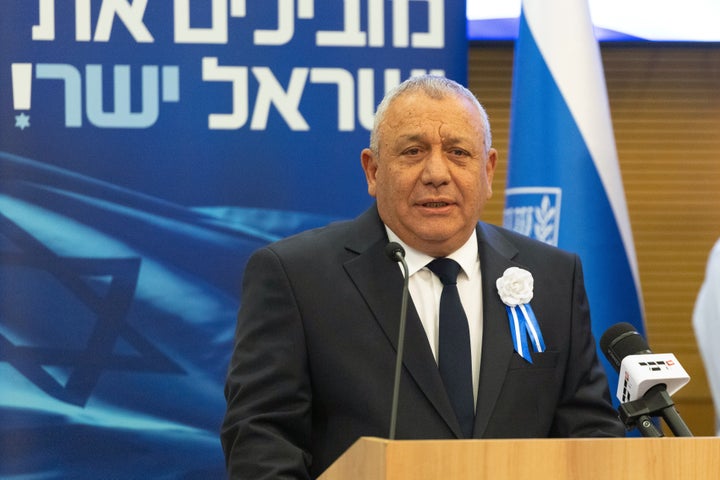
Lawmakers took their oaths of office on Tuesday, November 10, marking the official opening of the new Knesset. The election held three weeks earlier left Prime Minister Benjamin Netanyahu’s right-wing bloc without a parliamentary majority, holding 53 seats. Gadi Eisenkot, leader of the centre-right Yashar party, was tasked by President Herzog on Sunday with trying to form a government. Eisenkot’s bloc currently controls 48 seats, leaving him well short of the 61 needed to govern alone.
Arab-led parties, which hold 19 seats, have emerged as potential kingmakers because of their strong opposition to Netanyahu, though aligning with them carries its own political risks. Eisenkot has until December 6 to secure enough support, with the option to request a two-week extension to December 20. He has described the path ahead as extremely difficult.
Why This Matters
The outcome of these coalition talks will shape Israel’s leadership and policy direction at a sensitive moment. One of the most consequential possibilities is the creation of a state commission to investigate the October 7, 2023 Hamas attacks—an idea supported by Arab parties and raised in legislation submitted by Eisenkot’s allies, but resisted by Netanyahu. The new parliament could also vote to replace the current Knesset speaker, a member of Netanyahu’s Likud party, and consider measures such as prime ministerial term limits and the repeal of parts of the previous government’s judicial overhaul.
Beyond domestic politics, the deadlock leaves Netanyahu as caretaker prime minister while regional tensions persist. Netanyahu has warned that Iran is seeking to revive its nuclear programme and has called for a unity government to confront challenges of great scale. Meanwhile, election officials continue to examine allegations of voting irregularities, though they have said no evidence has emerged of fraud capable of changing the result.
Key Takeaways
- The Knesset was sworn in on November 10 after the October 27 election produced a deadlocked result.
- President Isaac Herzog assigned former general Gadi Eisenkot the mandate to form a new government.
- Netanyahu’s bloc holds 53 seats, while Eisenkot’s alliance holds 48; both fall short of a 61-seat majority.
- Arab-led parties hold 19 seats and could influence whether Eisenkot succeeds, though their support is not guaranteed.
- Eisenkot faces a December 6 deadline, extendable to December 20, before another leader or a fresh election may be considered.
- Proposed legislation includes an inquiry into the October 7 attacks, term limits for the prime minister, and changes to recent judicial laws.
- Elisha Madan, a reservist who lost both legs in Gaza, was among those sworn in and received a standing ovation.
Conclusion
Israel’s newly sworn-in parliament signals the start of a critical chapter, but the absence of a clear governing coalition means uncertainty remains. If Eisenkot cannot build a workable alliance, President Herzog may turn to Netanyahu or another lawmaker before the country is forced back to the polls. For now, lawmakers are under pressure to compromise, with the president urging them to avoid a repeat election and address pressing security and domestic challenges.
Discussion
Join the conversation
Thoughtful reactions, questions, and follow-up ideas help shape the next story.