Introduction
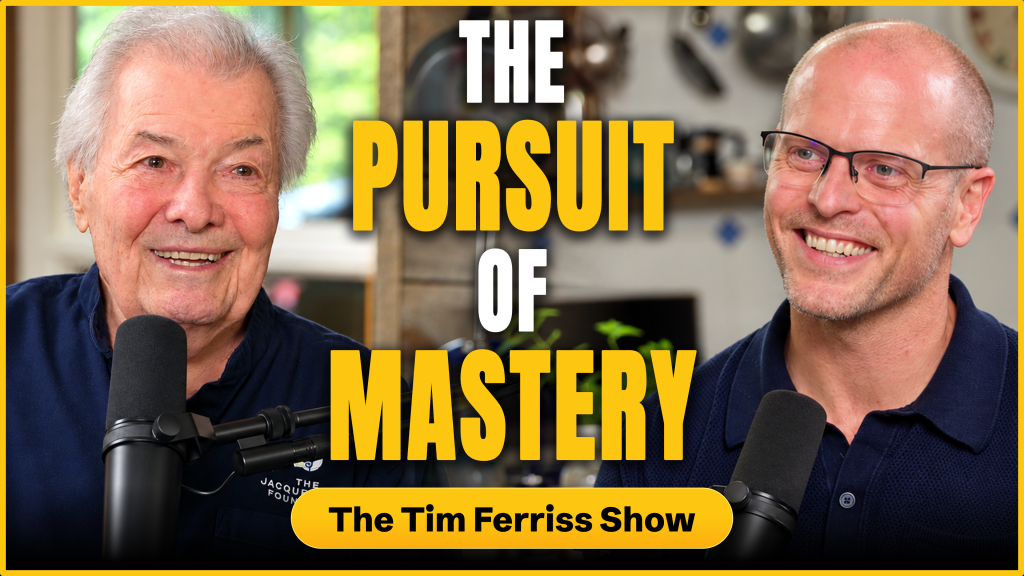
The Tim Ferriss Show welcomes culinary icon Jacques Pépin for a rare and wide-ranging conversation. From his early days in war-torn France to becoming a household name in American kitchens, Pépin’s journey offers rare insight into the making of a master chef. The interview covers his unconventional career steps, his philosophy on teaching technique over memorization, and the personal stories that shaped his legacy.
What Happened
Pépin’s path began in Bourg-en-Bresse, France, where he apprenticed at age thirteen under the rigorous traditions of French kitchens. He later cooked for three French heads of state, gaining experience in high-stakes state dinners before emigrating to the U.S. on a student boat. Instead of taking a prestigious White House role, he chose Howard Johnson, where he spent a decade mastering large-scale production, recipe development, and American eating habits. The experience proved transformative, leading him to open restaurants, consult on major projects like the World Trade Center food operations, and eventually mentor countless students through his unique approach to technique.
Why This Matters
Beyond his accomplishments, Pépin’s true impact lies in his teaching philosophy. He argues that mastering universal techniques like properly poaching an egg or breaking down a chicken provides a foundation applicable across any cuisine. His 90/90 campaign, featuring 90 dinners for his 90th birthday, raised funds for culinary education aimed at disenfranchised individuals, including those exiting jail or recovery programs. Pépin believes the kitchen offers a neutral space where people can rebuild lives, learn discipline, and create joy without political baggage. His emphasis on fundamentals has influenced generations of home cooks and professional chefs alike.
Key Takeaways
- Technique outweighs recipe memorization; once fundamentals are internalized, adaptation becomes natural.
- Career pivots can yield unexpected mastery; Pépin’s Howard Johnson years became a crash course in production and food science.
- Cooking for presidents taught him focus and precision, but he values the democratizing power of everyday kitchen skills.
- The Jacques Pépin Foundation uses culinary training to empower marginalized individuals, proving food’s potential for social change.
- Eggs and chicken, particularly Bresse chicken, remain central to his teaching because of their versatility and universal relevance.
Conclusion
Jacques Pépin’s story is as much about curiosity and calculated risk as it is about culinary skill. His life demonstrates that the right foundation, combined with a willingness to embrace unconventional paths, can transform a career and uplift others. Whether you’re a home cook or an aspiring chef, his emphasis on technique, curiosity, and the transformative power of the kitchen offers a timeless roadmap for growth.



Discussion
Join the conversation
Thoughtful reactions, questions, and follow-up ideas help shape the next story.