Introduction
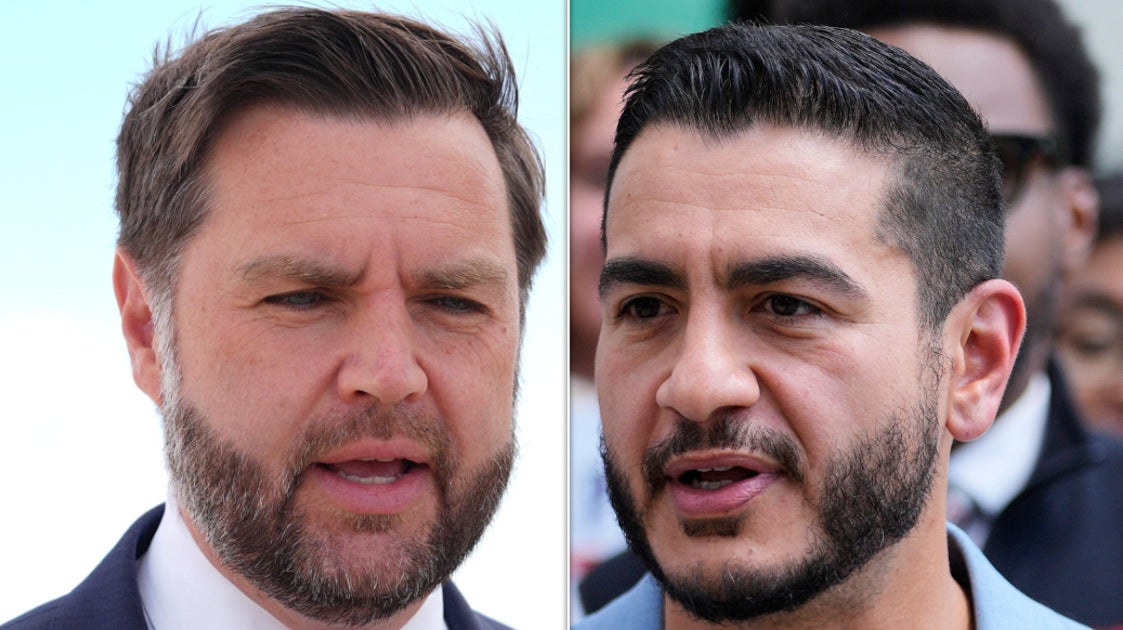
Vice President JD Vance sparked attention on TikTok by joking that he intended to arrest Michigan Democratic Senate candidate Abdul El-Sayed over his facial hair. The lighthearted yet pointed clip quickly went viral, reigniting a public feud between the two politicians.
What Happened
In a video shared to his TikTok profile, Vance pretended to climb into a police truck and declared he was going to arrest Abdul El-Sayed, citing a fictional Michigan law against patchy beards. The clip set KRS-One's Sound of da Police as background, adding irony given the track's critique of systemic authority. Vance, who has previously joked about disliking good-looking men with beards, used the bit to continue his ongoing verbal sparring with El-Sayed.
Why This Matters
The TikTok moment is more than a joke; it reflects the intensifying rivalry between Vance and El-Sayed as the 2026 Michigan Senate race approaches. Vance's comment on El-Sayed's beard follows a series of personal attacks and social-media clashes, including El-Sayed's rebuke of Vance's remarks about his Muslim identity and family. Such viral content shapes public perception and can influence voter sentiment in a closely watched battleground state.
Key Takeaways
- Vance posted a TikTok joking about arresting El-Sayed based on his patchy beard.
- The video used KRS-One's Sound of da Police as its soundtrack.
- Vance has a history of teasing that he hates good-looking guys with beards.
- El-Sayed responded publicly, calling out Vance's broader record on identity and hypocrisy.
- The exchange highlights how social-media humor is becoming a staple of modern political campaigning.
- With the 2026 Michigan Senate race heating up, such moments could sway voter perception.
Conclusion
Whether framed as humor or political theater, Vance's TikTok about arresting El-Sayed over his beard underscores the growing role of short-form video in shaping political narratives. As the 2026 campaign trail heats up, expect more candidates to leverage viral content to frame their opponents, making it essential for voters to look beyond the jokes and examine the policies and records driving these clashes.

Discussion
Join the conversation
Thoughtful reactions, questions, and follow-up ideas help shape the next story.