Introduction
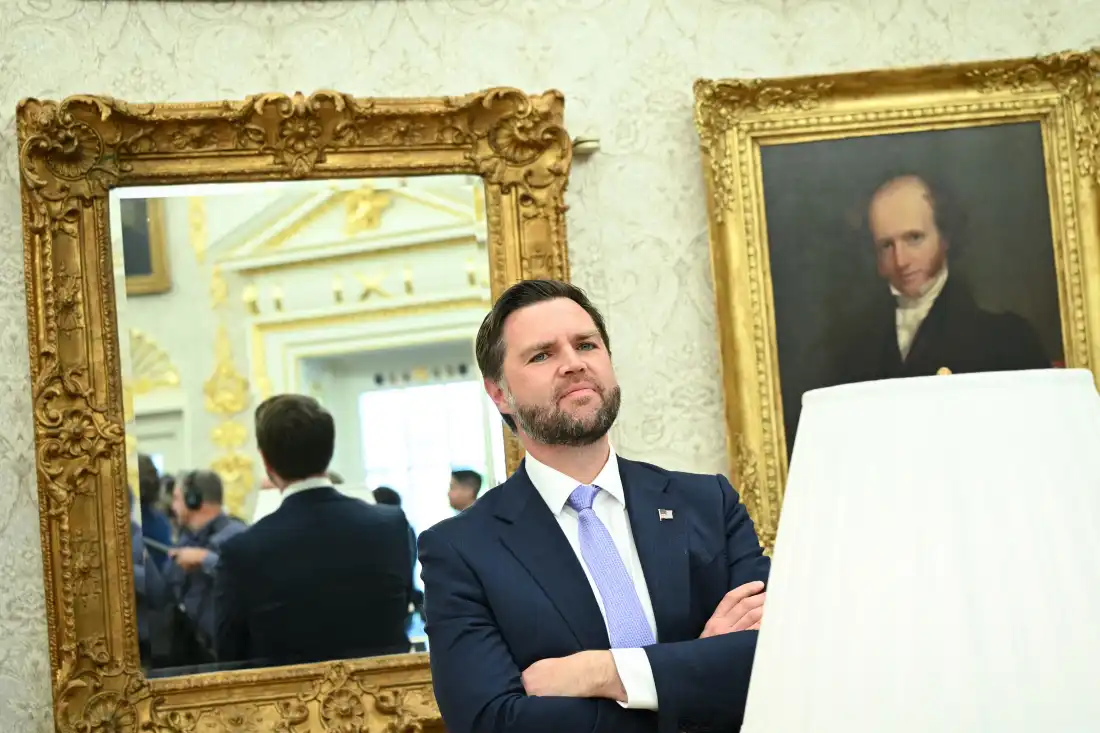
Vice President JD Vance is using the current midterm election cycle to test messaging that could define a future presidential bid, blending familiar populist themes with a more personal political narrative.
What Happened
During a series of campaign stops, Vance delivered speeches that mixed cultural critique, economic nostalgia, and direct attacks on Democratic opponents. He frequently referenced his upbringing in rural Ohio, recalling childhood experiences and the fading presence of local business sponsorships. Vance also turned his attention to cultural battles, framing his message around working-class unity and criticizing Washington elites. His delivery, while less comedic than former President Trump's, still carried the core elements of the Make America Great Again movement, from cultural wedge issues to economic populism.
Why This Matters
The midterm swing offers a real-time preview of how Vance might position himself in a 2028 Republican primary. By balancing personal storytelling with hard-edged cultural commentary, he's attempting to broaden his appeal while retaining the base that rallies around Trump-era politics. His approach also highlights the challenge of campaigning alongside an unpopular incumbent president, particularly on economic issues like gas and meat prices, where Vance reframes broader geopolitical trends rather than tying them directly to current administration policies.
Key Takeaways
- Vance’s midterm strategy reveals a deliberate effort to separate his personal brand from the most unpopular aspects of the current administration while keeping the cultural and populist signals that define Trump's coalition.
- His biography, rooted in rural origins and blue-collar work history, with a focus on family-centered narratives, provides a contrast with Trump's more bombastic style, yet voters still respond strongly to the former president's unfiltered tone.
- The campaign trail also shows how quickly economic messaging shifts when a potential 2028 candidate is on the stump, especially when addressing voter concerns about consolidation in agriculture, energy costs, and cultural identity.
Conclusion
As the 2026 midterms progress, Vance’s campaign trajectory provides the clearest signal yet of the direction a potential 2028 bid could take. His ability to blend personal anecdote with sustained cultural warfare will likely shape his viability among Republican voters, particularly as the party navigates the legacy of Trump’s tenure and looks toward future leadership.




Discussion
Join the conversation
Thoughtful reactions, questions, and follow-up ideas help shape the next story.