Introduction
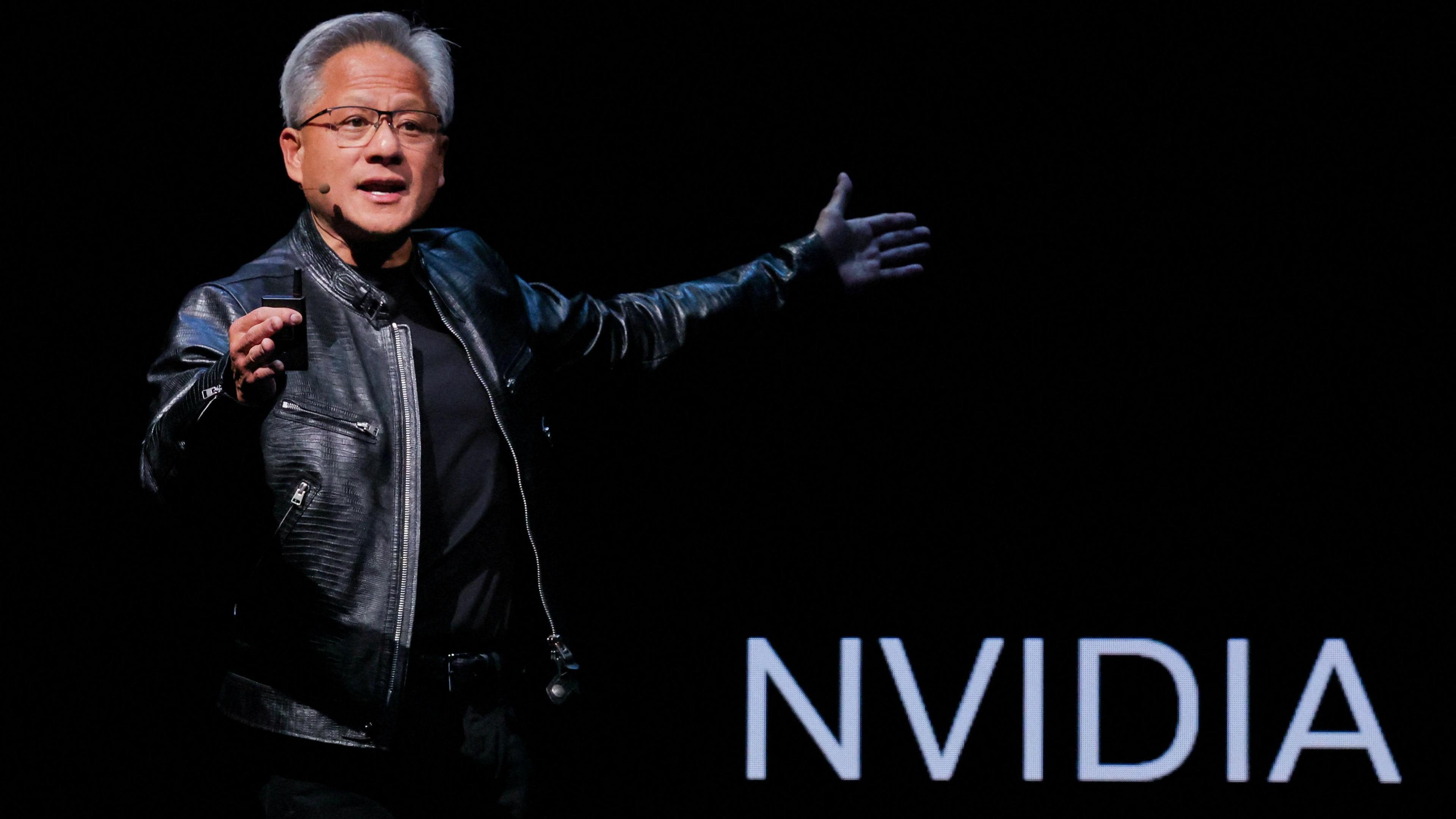
Jensen Huang turned Nvidia into a central force in the artificial intelligence boom, growing a graphics-chip maker into one of the world's most valuable companies. As the most recognizable face of AI hardware, he developed close relationships with Washington leaders while managing rising friction between the United States and China. Recent reports linking him to a woman U.S. intelligence suspects of working for Chinese intelligence have turned his personal life into a national security issue.
What Happened
The New York Times reported that Huang had a romantic relationship with Alice Huang, also known as Huang Le, who once served as a top executive at Megaspeed, a data center company based in Singapore. U.S. officials have reportedly determined that she was recruited by China's leading intelligence agency, although it remains unknown what information, if any, she shared with Beijing or when she may have begun gathering intelligence.
Surveillance allegedly captured communications between Alice Huang and an American citizen, later identified through unmasking as Jensen Huang. Nvidia has said it was unaware of intelligence concerns, with a spokesperson telling the BBC that the company expects the U.S. government to alert it if a genuine threat emerges.
Nvidia's board responded by opening a formal investigation. Huang publicly admitted to being unfaithful and apologized for hurting his wife and children. He met Lori Huang at Oregon State University, where they studied electrical engineering; they married in 1985 and have two children, both of whom now work at Nvidia.
President Donald Trump said he has not spoken with Huang since the investigation became public. While calling Huang a good person who has contributed greatly to the country, Trump also suggested that the full situation remains uncertain.
Why This Matters
The case matters because Nvidia operates at the crossroads of commercial technology and global strategy. Its advanced AI processors are manufactured largely by Taiwan Semiconductor Manufacturing Company, which produces more than 90 percent of the world's most advanced chips. Since 2022, U.S. export controls have restricted high-end technology sales to China, effectively shutting Nvidia out of a market where it once commanded roughly 95 percent share.
Huang has spent years traveling between Washington and Beijing seeking a way to restore Nvidia's access to China. The scandal raises questions about whether those efforts will become harder and how the administration will handle AI export policy. U.S. officials worry that Chinese leadership in artificial intelligence could enhance Beijing's military and surveillance capabilities.
Key Takeaways
- Nvidia's board is investigating CEO Jensen Huang after reports of an affair with a woman suspected by U.S. intelligence of links to Chinese espionage.
- The woman, Alice Huang or Huang Le, was an executive at Megaspeed, a Singapore-based data center firm previously examined for suspected chip diversion to China.
- Huang has apologized to his family, and Nvidia's board says it remains confident in his leadership, partly because of the money involved and the lack of an obvious successor.
- U.S. export controls since 2022 have largely blocked Nvidia from selling its most advanced AI chips in China.
- President Trump has said he has not spoken to Huang since the news broke, while still praising his contributions to American industry.
Conclusion
Jensen Huang remains Nvidia's chief executive for now, and the board appears reluctant to remove him given the company's enormous valuation and the absence of a clear replacement. The investigation will examine whether any security or corporate rules were violated, but the reputational fallout may already be substantial.
With the United States and China competing for supremacy in artificial intelligence, the conduct of the sector's most prominent executive has become a matter of public debate. It is still unclear whether this episode will change Nvidia's access to the Chinese market or alter Washington's approach to AI leadership.
Discussion
Join the conversation
Thoughtful reactions, questions, and follow-up ideas help shape the next story.