Introduction
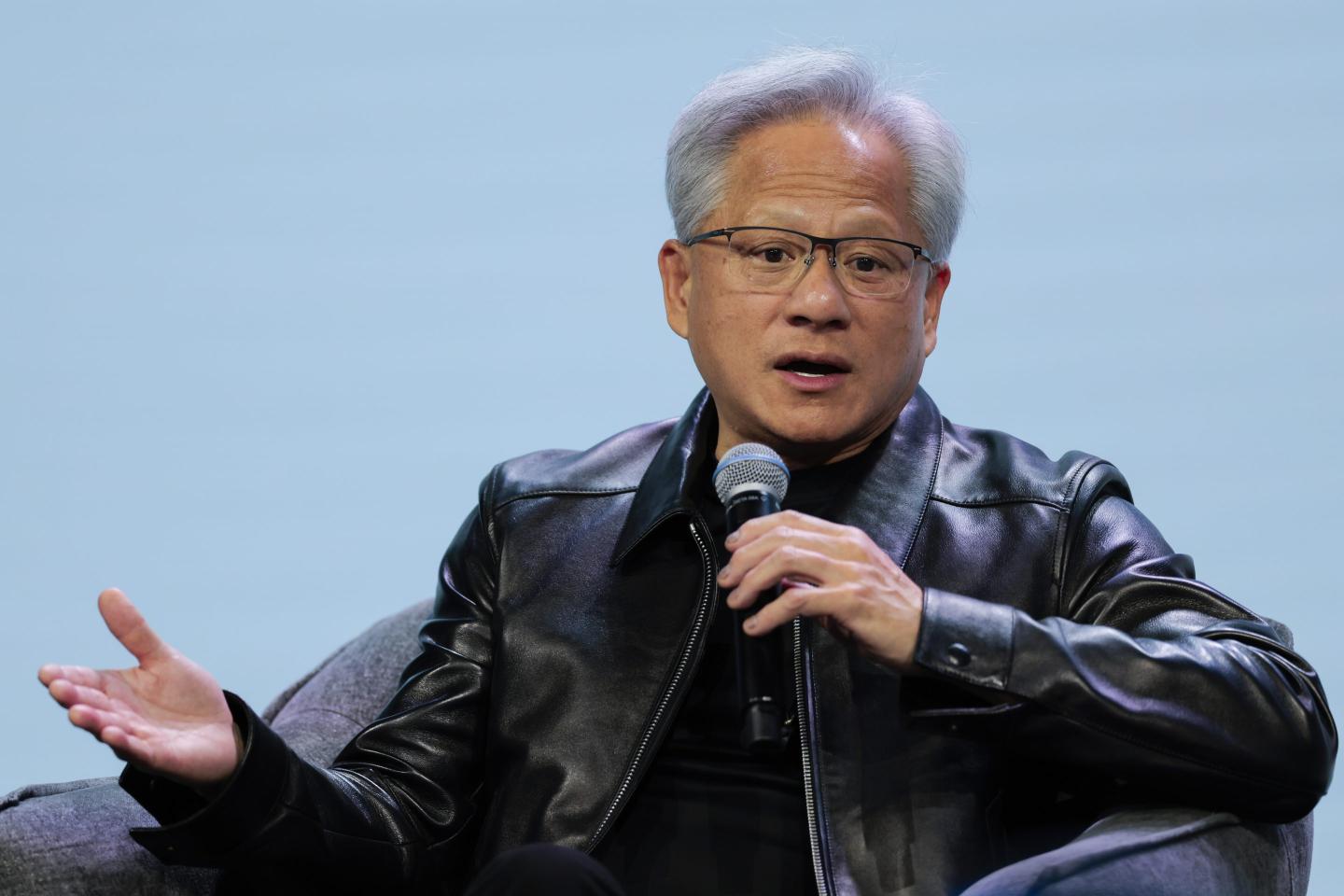
Jensen Huang built Nvidia into a semiconductor giant while famously refusing to hold routine one-on-one meetings with his direct reports. Even as the list of people reporting to him grew to sixty, he skipped standard check-ins in favor of a more open, continuous flow of communication. With Huang stepping aside and CFO Colette Kress serving as interim chief executive, observers are asking whether that meeting-averse culture will survive the transition.
What Happened
At a Stanford University event, Huang explained that he viewed regular catch-ups as schedule clutter that could slow down the wider organization. He argued that information should move freely across the company rather than being filtered through private conversations. According to his account, he never reserved exclusive details for a select few executives, preferring that everyone operate from the same visible context.
Huang emphasized that he still stayed in close contact with his leadership team, but without formal calendar blocks. Instead of written performance reviews, he described a rhythm of ongoing, two-way feedback. He also said he would immediately set aside other priorities if an employee genuinely needed his attention.
Colette Kress, Nvidia’s finance chief and interim CEO, has not publicly committed to keeping or ending the one-on-one ban. However, she has repeatedly voiced a similar commitment to avoiding waste. In 2024, she said the company does not waste a day or a dime, highlighting speed and disciplined resource use as core values. Kress joined Nvidia in 2013 after finance roles at Texas Instruments, Cisco, and Microsoft, and helped oversee its shift from gaming hardware to a central player in artificial intelligence chips.
Why This Matters
Huang’s approach reflects a broader debate among executives about whether meetings drive progress or simply consume time. Other leaders have taken comparable steps. United Airlines CEO Scott Kirby limits his own meetings to four hours daily and prefers brief, conversational sessions. Shopify eliminated group meetings larger than two people in 2023 through a company-wide calendar reset. Amazon founder Jeff Bezos, while known for unstructured discussions, required detailed written narratives and silent reading time before conversations began.
For Nvidia, the stakes are especially high. The company’s market valuation swung dramatically around the leadership change, briefly reaching five trillion dollars before falling below four trillion. Whether Kress maintains Huang’s lean meeting philosophy could shape how quickly the firm responds to AI demand and competitive pressure.
Key Takeaways
- Jensen Huang avoided one-on-one meetings with all sixty of his direct reports at Nvidia.
- He believed private check-ins cluttered schedules and slowed transparent information sharing.
- Huang still maintained regular contact with executives through continuous feedback instead of formal reviews.
- Interim CEO Colette Kress has not confirmed whether she will keep the no-meeting rule.
- Kress has emphasized efficiency, saying Nvidia does not waste time or money.
- Other CEOs, including Scott Kirby and leaders at Shopify and Amazon, have also restricted or restructured meetings.
Conclusion
Nvidia’s next chapter will test whether a founder’s personal management quirks can become enduring company policy. Huang’s no-one-on-one rule was designed to protect speed and clarity, while Kress’s “no waste” mantra suggests a compatible mindset. For employees and investors alike, the real question is whether the chipmaker can preserve its agility without the person who built that culture.
Discussion
Join the conversation
Thoughtful reactions, questions, and follow-up ideas help shape the next story.