Introduction
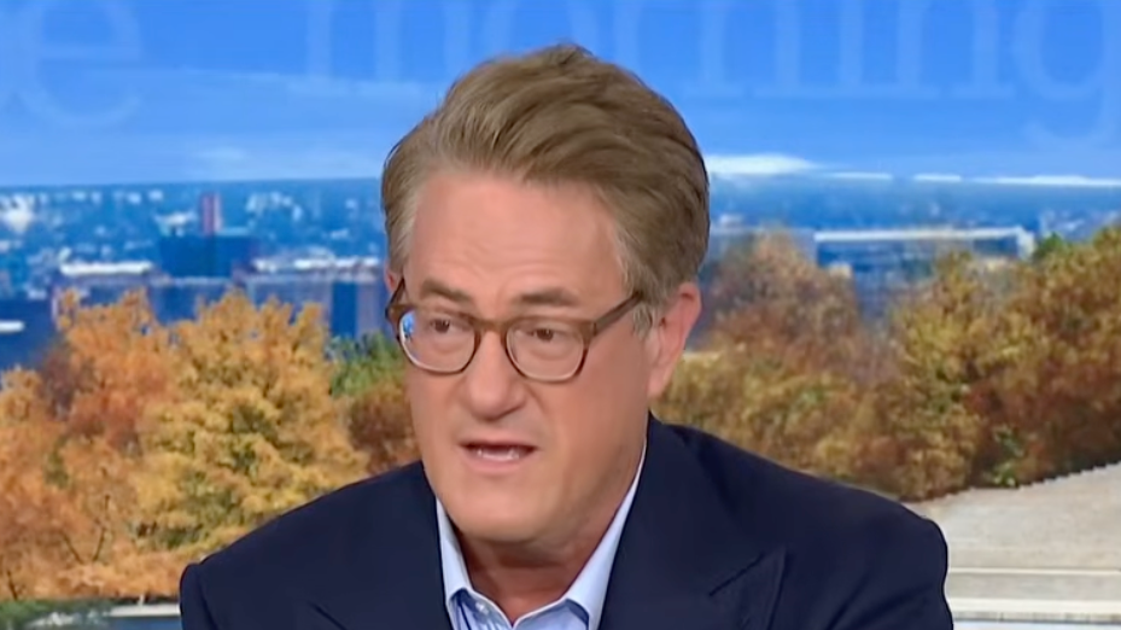
Veteran television host Joe Scarborough recently used his platform to sharply criticize former President Donald Trump's approach to the ongoing war in Ukraine, drawing attention to what he called a troubling alignment with Russian interests.
What Happened
During a Thursday broadcast, Scarborough expressed disbelief over Trump's willingness to engage with Vladimir Putin while appearing to sideline Ukrainian needs. He cited reports that the White House allegedly ordered the Pentagon to slow Starlink satellite support, potentially exposing Kyiv to Russian missile strikes. The host also pointed to alleged diesel deals funnelling billions to Putin's war apparatus, suggesting the moves prioritize Russian military gains over Ukrainian safety.
Scarborough's comments came as ceasefire talks resumed, with Ukrainian President Volodymyr Zelenskyy noting a pause in U.S. missile warnings, further fueling concerns about the depth of American support.
Why This Matters
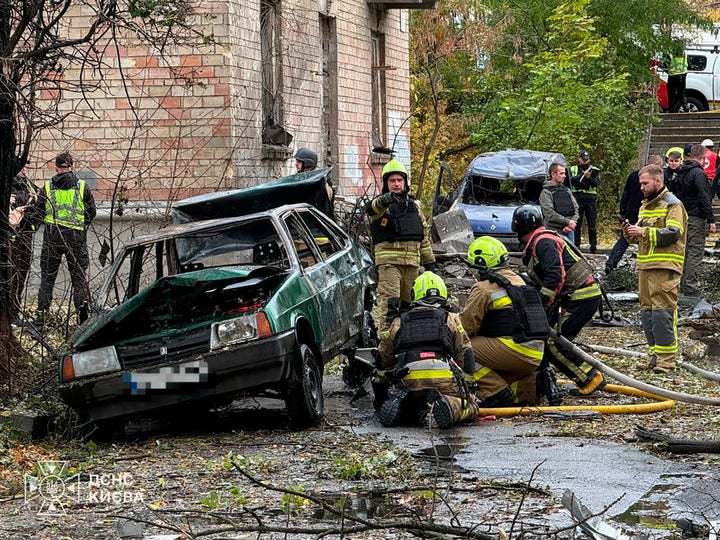
The implications extend beyond headlines. When satellite communications critical for battlefield coordination are restricted, frontline troops and civilians face heightened risk. Alleged policy shifts that benefit Russian logistics while limiting Ukrainian defense capabilities raise serious questions about the consistency of U.S. commitment to a sovereign nation under attack. Public figures like Scarborough amplify these concerns, shaping public opinion and potentially influencing political pressure on current leadership.
Key Takeaways
- Scarborough accused Trump of prioritizing Russian interests through alleged fuel deals and restricted satellite aid.
- Reports suggest the White House may have slowed Starlink speeds, directly impacting Ukraine's defense capabilities.
- Zelenskyy confirmed a gap in U.S. missile warning alerts during a recent ceasefire pause.
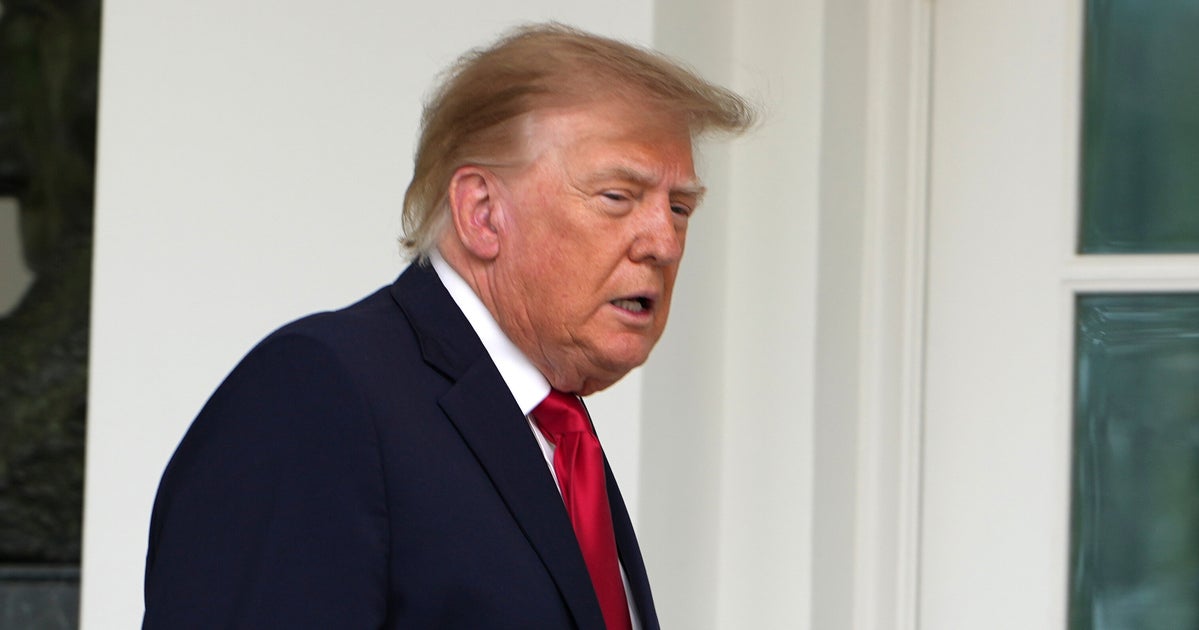
- Trump denies withholding intelligence, stating the administration actively supports Ukraine's peace efforts.
- The episode highlights how satellite technology and energy politics intersect in modern warfare.
Conclusion
The growing public rift between prominent media voices and former administration policies underscores the volatility of the Ukraine conflict's international dimensions. As satellite links, fuel supplies, and intelligence sharing become tactical chess pieces, the need for transparent, consistent support remains critical. Scarborough's remarks reflect a broader anxiety about whether strategic interests are truly aligned with Ukraine's survival.




Discussion
Join the conversation
Thoughtful reactions, questions, and follow-up ideas help shape the next story.