Introduction
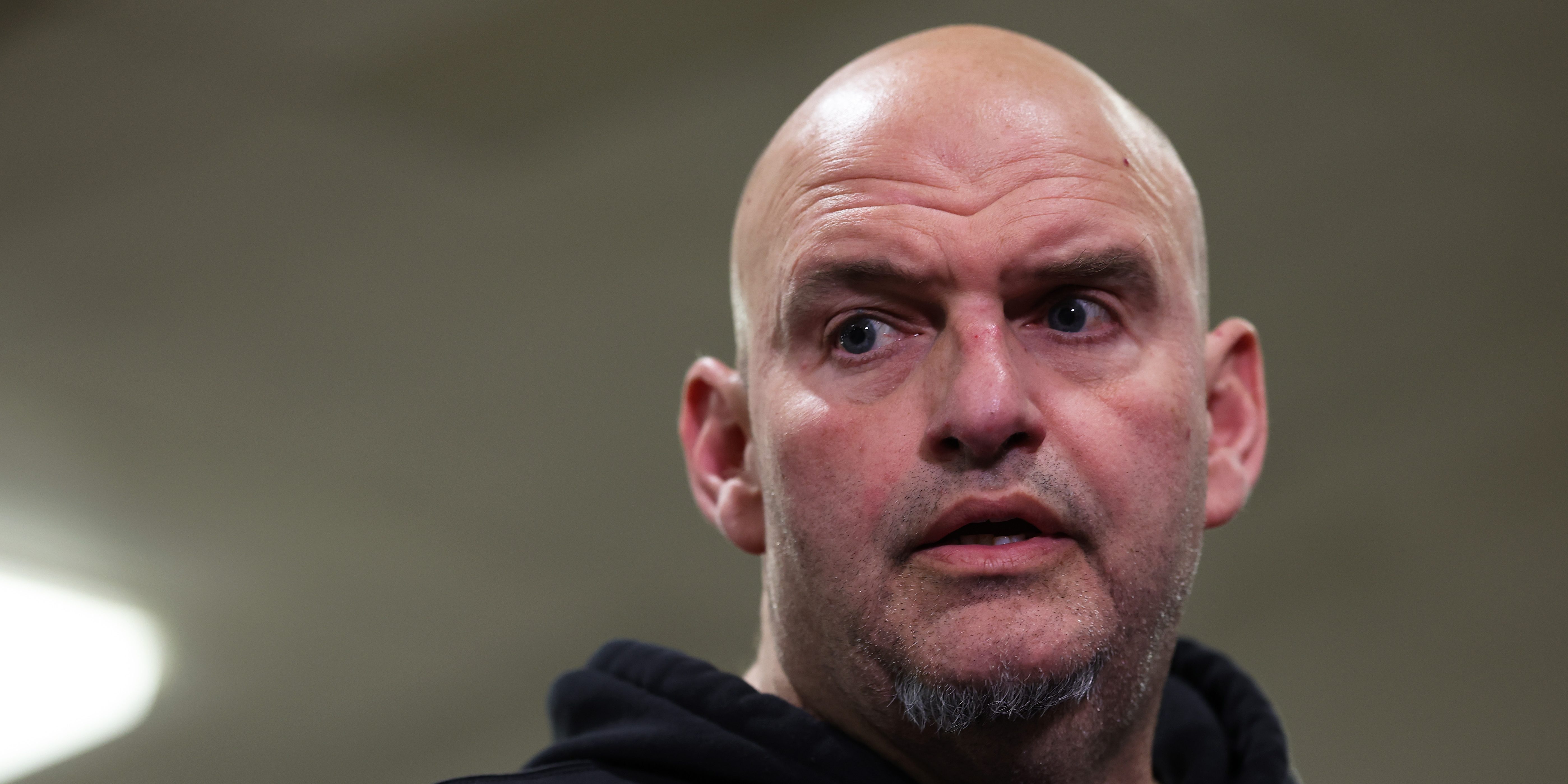
Senator John Fetterman of Pennsylvania, once seen as a heterodox voice for the Democratic Party, has increasingly embraced Republican fundraising infrastructure, prompting surprise and concern among his base and colleagues.
What Happened
Fetterman's campaign has sent fundraising emails from GOP-controlled domains including info@gopsquad.com, unshakeableconservatives.com, and freedomfaction.net. Messages reject socialism and urge support for Republican candidates. He also accepted the maximum allowed contribution from conservative megadonor Harlan Crow. Recent appeals have encouraged readers to back Republican Mike Rogers over Democratic challenger Abdul El-Sayed, comparing El-Sayed to a terrorist, and have referenced urgent memos from House Speaker Mike Johnson on fighting the left. Beyond email outreach, Fetterman has attended events hosted by conservative figures, including a retreat with media mogul Rupert Murdoch and Senator Katie Britt, and has co-sponsored bipartisan initiatives with Republican Senator Dave McCormick. His campaign recently redesigned its website to emphasize his antagonistic persona, branding him as someone who thinks for himself.
Why This Matters
The shift toward GOP fundraising and infrastructure signals a dramatic realignment that could foreshadow a broader party departure or an independent run, reminiscent of former Senators Joe Manchin and Kyrsten Sinema. Fetterman's pivot has alienated many Democratic donors and staffers, who argue he has betrayed the progressive base that propelled him to office. The fundraising strategy also underscores tightening political dynamics in Pennsylvania and the broader Senate, where party loyalty and donor networks heavily influence legislative power.
Key Takeaways
- Fetterman's campaign uses GOP email domains and lists to solicit donations, a notable departure from traditional Democratic fundraising channels.
- He accepted the maximum contribution from conservative donor Harlan Crow, highlighting cross-party financial ties.
- Former staffers have condemned the pivot, accusing Fetterman of betraying supporters and becoming Donald Trump's useful idiot.
- His alignment with Republicans extends to appearances on Fox News, attendance at conservative events, and policy positions on Israel and immigration.
- Speculation persists that Fetterman may follow a Manchin- or Sinema-style independent route rather than formally switching parties.
Conclusion
As Fetterman's relationship with his own party frays and his fundraising shifts rightward, the political landscape in Pennsylvania and the U.S. Senate remains in flux. Whether he ultimately switches parties, runs as an independent, or returns to Democratic folds, his trajectory illustrates the fluid—and often contentious—nature of modern American politics.

Discussion
Join the conversation
Thoughtful reactions, questions, and follow-up ideas help shape the next story.