Introduction
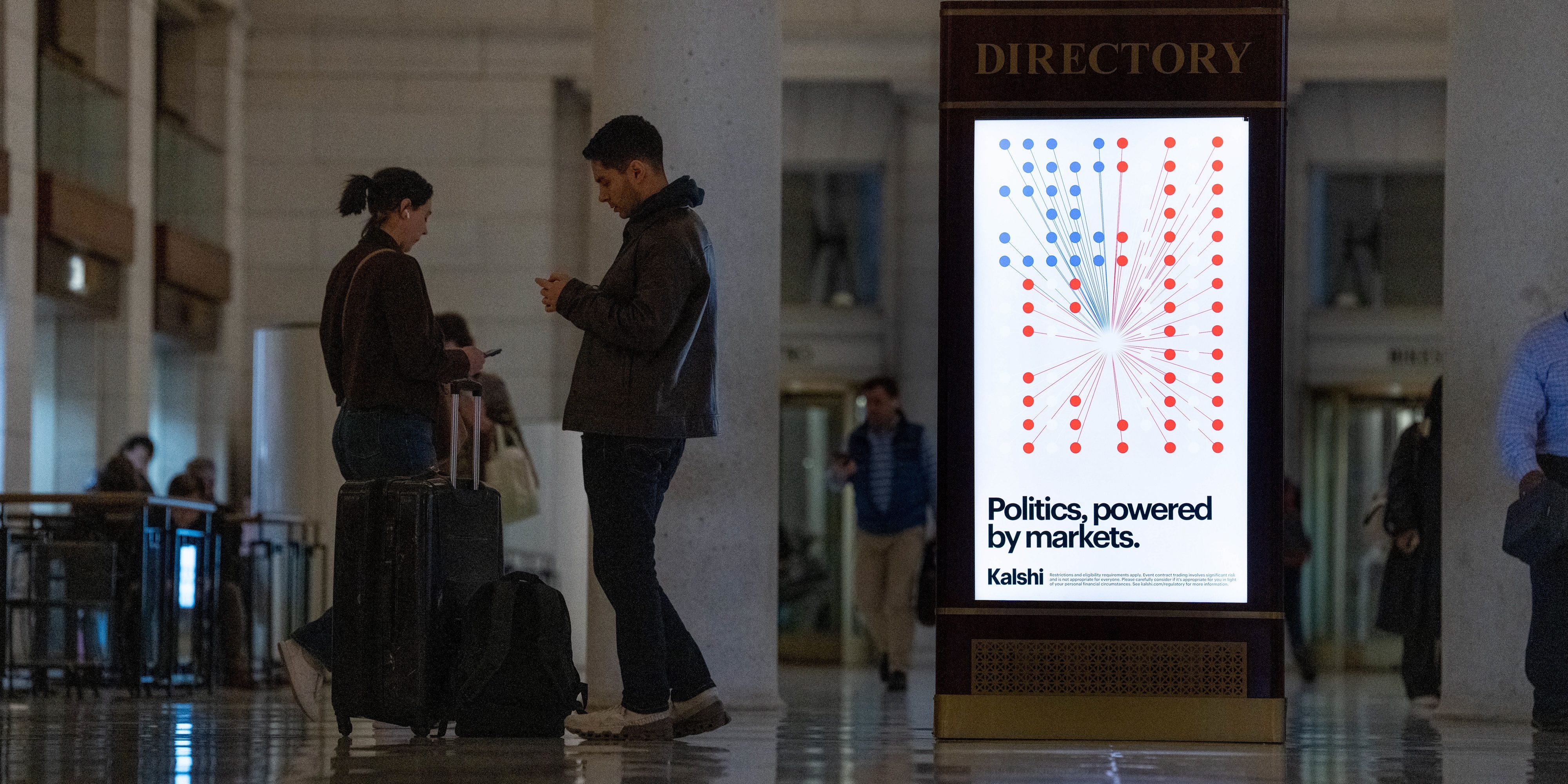
The prediction betting industry is working to build influence on both sides of the political aisle. A new report from the progressive advocacy group Demand Progress shows that Kalshi, one of the leading political prediction markets, has brought on former Biden administration officials and directed significant campaign donations to Democratic candidates. At the same time, the company maintains visible connections to President Donald Trump's inner circle, highlighting a bipartisan lobbying strategy as federal regulators prepare new rules for the sector.
What Happened
According to Demand Progress, Kalshi has hired two former officials from President Joe Biden's White House since the beginning of 2026. Stephanie Cutter, a veteran Democratic strategist who worked across the Obama and Biden administrations and on Kamala Harris's presidential campaign, joined Kalshi in April as a policy adviser. John Bivona, a former Democratic congressional staffer and Biden White House official, was brought on in January to lead government relations.
The company's co-founders have also funneled nearly $1 million into federal candidate donations. More than a third of that total—$377,000—went to Democrats, including New York Senator Kirsten Gillibrand. Meanwhile, Kalshi's lobbying expenses have tripled, reaching $1.8 million in the first half of 2026 compared with $615,000 for all of 2025.
Kalshi's rival, Polymarket, has also increased its Washington presence, though its lobbying spend remains smaller at $180,000 for the first half of this year. Polymarket hired a Republican former Commodity Futures Trading Commission official as a lobbyist. Both companies have benefited from the Trump administration's relatively hands-off regulatory approach, and Donald Trump Jr. holds financial stakes in both firms.
Why This Matters
These moves come as prediction markets face intensifying scrutiny. Congressional Democrats have called on President Trump to prohibit White House staffers from using betting platforms, and with Democrats poised to lead both chambers of Congress, many observers expect formal investigations into how these sites operate in Washington.
Critics worry that a friendly legislature could rubber-stamp rules drafted by the Commodity Futures Trading Commission, which has begun asserting jurisdiction over political, sports, cultural, and weather betting contracts. Demand Progress adviser Ella Fanger said she fears legislation could codify the CFTC's current rulemaking and strip states of their ability to treat the industry as gambling.
Representative Maxine Waters of California, who is seeking to chair the House Financial Services Committee, has signaled she wants to rein in what she calls predatory platforms, including prediction markets. That potential scrutiny makes Kalshi's bipartisan outreach especially urgent for the company's long-term prospects.
Key Takeaways
- Kalshi hired former Biden White House officials Stephanie Cutter and John Bivona in 2026.
- Kalshi co-founders donated nearly $1 million to federal candidates, with $377,000 going to Democrats.
- Kalshi's lobbying spend rose to $1.8 million in the first half of 2026, up from $615,000 in all of 2025.
- The company maintains ties to Trumpworld, including Donald Trump Jr.'s financial stakes in Kalshi and Polymarket.
- Democratic lawmakers are pushing for investigations and possible restrictions on prediction markets.
Conclusion
Kalshi's strategy illustrates how the prediction betting industry is attempting to secure allies regardless of which party holds power. By hiring experienced Democratic operatives and contributing to Democratic campaigns while preserving its relationships with the Trump administration, Kalshi is positioning itself to survive whatever regulatory environment emerges. Whether that balancing act will satisfy skeptical lawmakers remains to be seen.
Discussion
Join the conversation
Thoughtful reactions, questions, and follow-up ideas help shape the next story.