Introduction
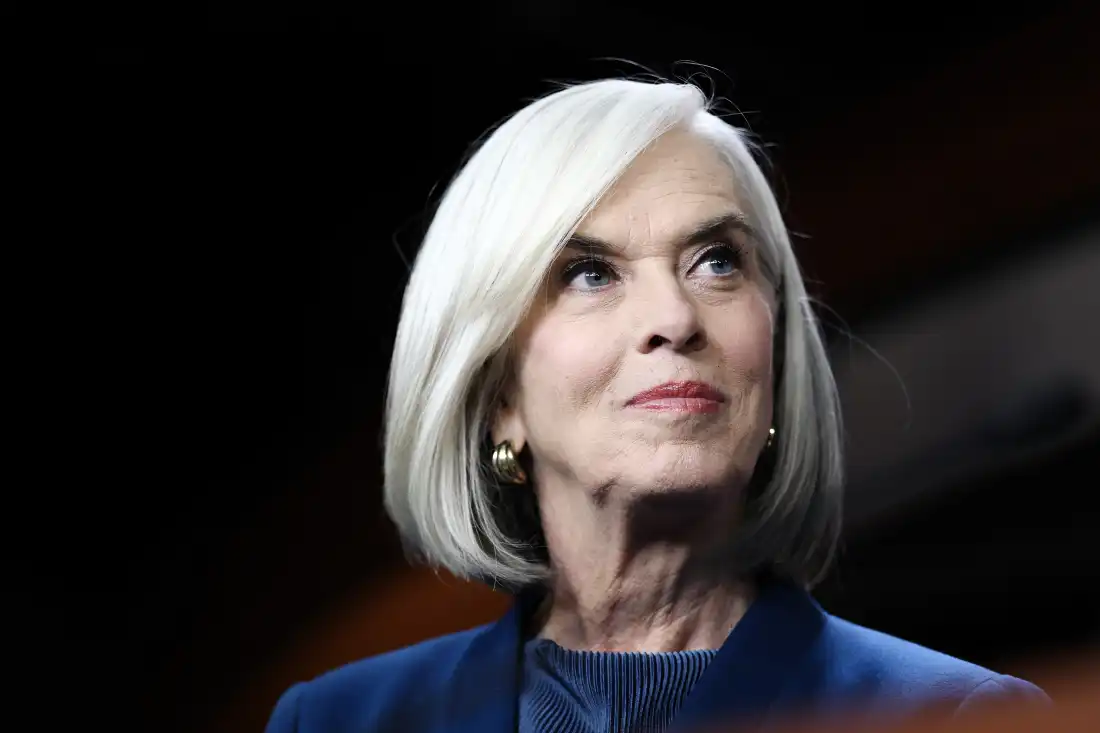
Rep. Katherine Clark of Massachusetts is stepping into a historic role as the incoming House majority leader, and her first message to colleagues and the public is clear: House Democrats must present a united front. Speaking shortly after leadership elections, Clark emphasized that the party's diverse caucus is a source of strength, not weakness, as Democrats prepare to assume control of the chamber.
What Happened
House Democrats held leadership elections this week, nominating Clark by unanimous voice vote to become the first woman to serve as majority leader. The caucus also backed Hakeem Jeffries for speaker and Pete Aguilar for majority whip. Clark, currently the minority whip, described the expanded and diverse Democratic caucus as energizing. However, the vote revealed some friction: Jeffries won his nomination by a wide margin, with opposition from incoming progressive members including Darializa Avila Chevalier of New York and Adam Hamawy of New Jersey. Those lawmakers have advocated for Medicare for All, changes to immigration enforcement, and an end to the war in Gaza.
Clark also addressed President Donald Trump's recent description of himself as "Mr. Veto," calling it a striking remark. Still, she expressed hope that Democrats could work across the aisle on healthcare while simultaneously investigating alleged corruption in the Trump administration and working to lower living costs.
Why This Matters
With Democrats poised to lead the House, internal disagreements could complicate the party's ability to pass legislation and execute its agenda. Clark's push for unity comes as the party balances competing priorities from moderates and progressives. Her previous vote in favor of a Republican amendment to cut U.S. aid to Israel—while Jeffries opposed it—highlights one area where leadership and rank-and-file members may not see eye to eye.
Key Takeaways
- Katherine Clark was nominated unanimously to become the first female House majority leader.
- Hakeem Jeffries was nominated for speaker by a wide margin, reflecting some progressive opposition.
- Clark stressed that Democrats remain united behind improving conditions for working people.
- The incoming leadership plans to address living costs, healthcare, and investigations into the Trump administration.
- Divisions persist over issues such as U.S. aid to Israel, Medicare for All, and the war in Gaza.
Conclusion
Katherine Clark's message is straightforward: House Democrats cannot afford to fracture if they want to deliver results. As the new Congress approaches, her ability to keep moderates and progressives aligned will likely determine how effectively the party can advance its priorities and respond to the challenges ahead.
Discussion
Join the conversation
Thoughtful reactions, questions, and follow-up ideas help shape the next story.