Introduction
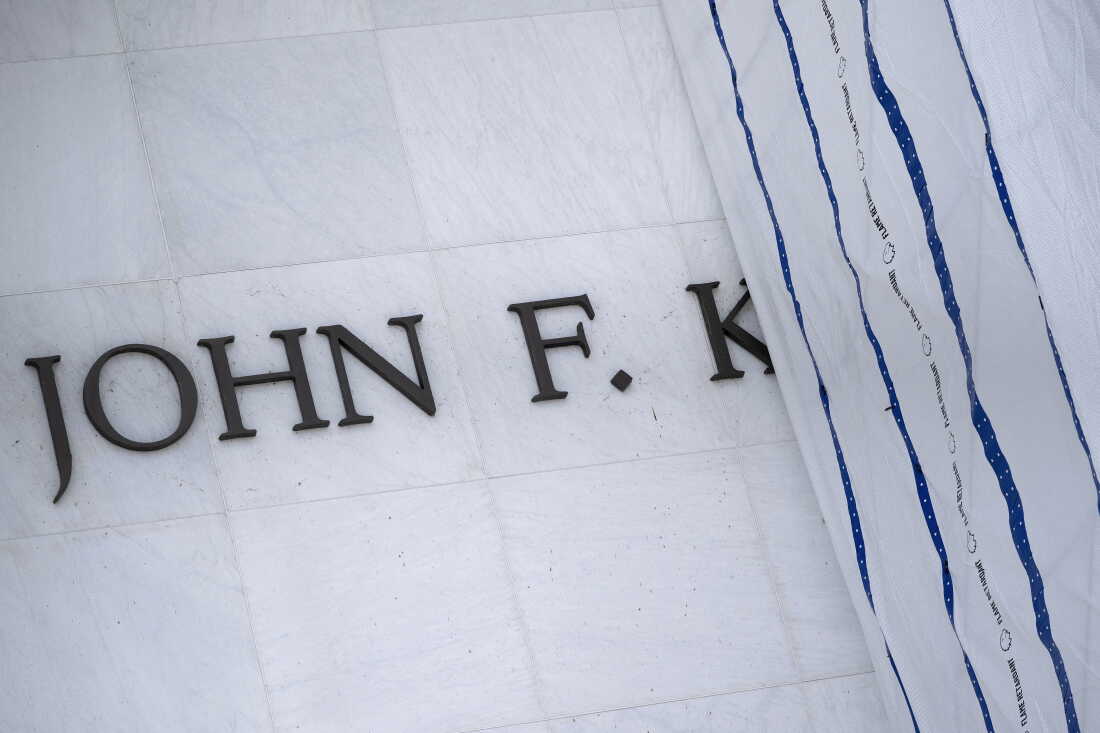
The Kennedy Center's board of directors has voted to close the historic Washington, D.C., arts venue, citing dire financial and structural concerns. The decision comes as a federal judge again blocked efforts to place former President Donald Trump's name on the building, adding legal uncertainty to the shutdown.
What Happened
The board's Tuesday vote to shutter the center unfolded just minutes after Judge Christopher Cooper ruled that the board cannot install Trump's name on the Kennedy Center grounds, citing a federal statute designating the venue as a living memorial to President John F. Kennedy. The vote was the latest twist in a months-long battle involving a federal lawsuit by Representative Joyce Beatty, who argued that naming the center after Trump violates its founding mandate. Board members, many of whom are Trump allies appointed by the president, have insisted that only the former president can fund the massive renovation and keep the facility afloat. However, the judge's 22-page decision emphasized that any memorial or naming change requires congressional approval. Despite the closure vote, the board pledged that the REACH extension and signature programs like the Kennedy Center Honors and the Mark Twain Prize will continue, even as most administrative staff have been let go and ticket sales have plummeted.
Why This Matters
The closure threatens one of the nation's premier performing arts institutions and raises questions about the intersection of politics, public funding, and artistic legacy. With the Kennedy Center facing potential bankruptcy within weeks, the board's decision highlights the precarious state of live arts venues dependent on high-stakes fundraising. The ongoing legal fight over Trump's name also underscores how former presidents' legacies continue to shape public institutions, even when faced with statutory protections designed to preserve their original purpose. Stakeholders, including artists, donors, and patrons, are watching closely to see whether a two-year closure can preserve the center's mission without eroding its cultural impact.
Key Takeaways
- The Kennedy Center board voted to close the main venue due to financial insolvency and structural safety concerns.
- A federal judge blocked the placement of Donald Trump's name on the building, citing congressional mandates protecting the JFK memorial.
- Board members, appointed by Trump, argue he is essential to saving the center through fundraising and renovation.
- The REACH extension, the National Symphony Orchestra, and signature honors programs will continue during the proposed closure.
- A two-year shutdown is planned to allow for revitalization, contingent on future funding and legal resolution.
Conclusion
The Kennedy Center's sudden closure vote marks a pivotal moment for the nation's premier performing arts venue, intertwining financial crisis with political controversy. While the board promises continued programming through the REACH extension and core honors events, the main building's future remains uncertain pending congressional action and ongoing court battles. Observers will be watching how the center navigates the dual challenges of fiscal rescue and constitutional compliance in the coming months.

Discussion
Join the conversation
Thoughtful reactions, questions, and follow-up ideas help shape the next story.