Introduction
Kylian Mbappé has found himself at the center of a growing controversy in China after a comment on a French talk show sparked widespread backlash. The incident highlights the delicate balance global athletes must maintain when engaging with international audiences.
What Happened
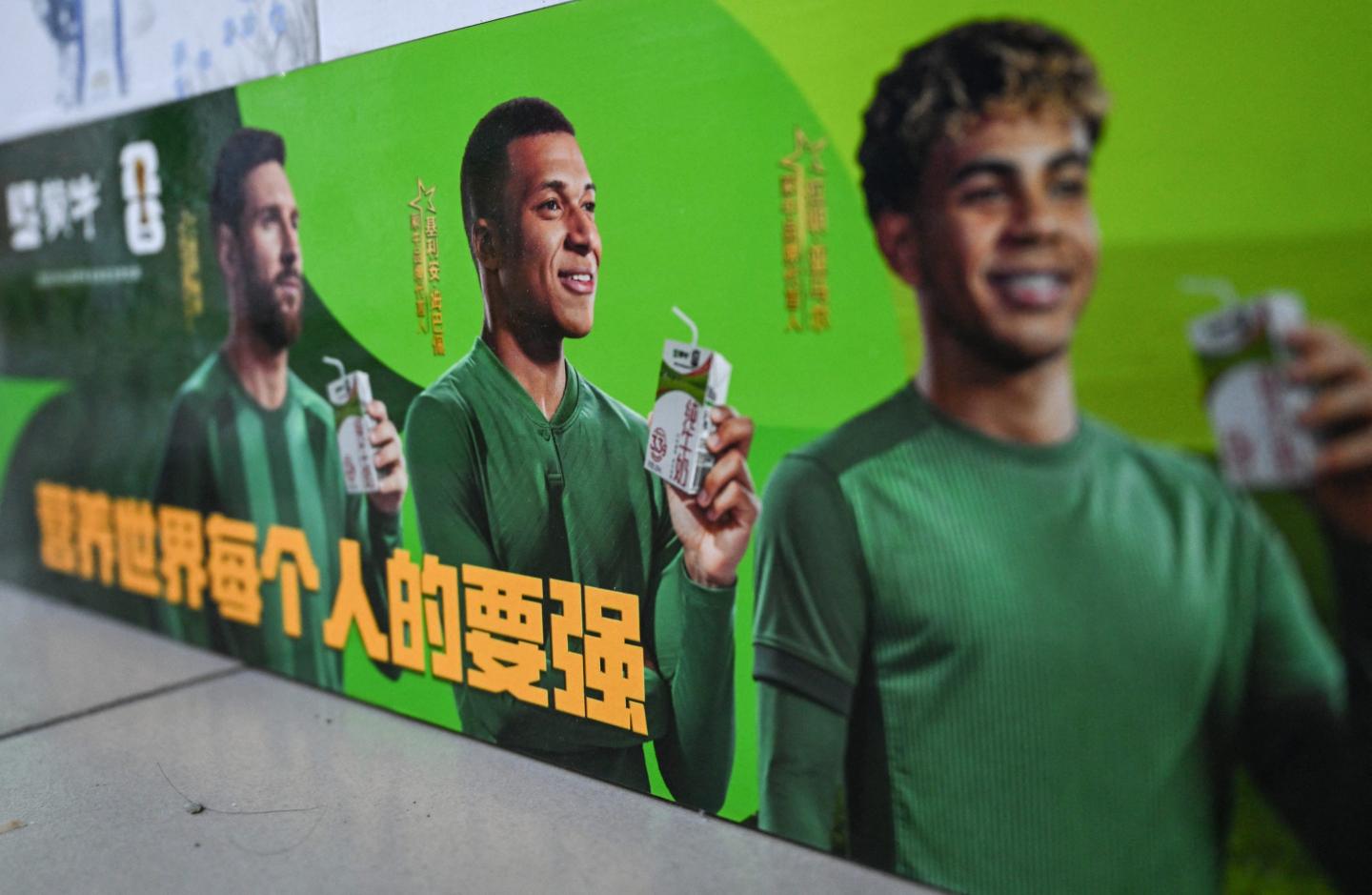
During an appearance on a popular French online talk show, Mbappé referred to a meme figure as "a Chinese dictator", a remark widely understood to reference Mao Zedong. The comment quickly spread on Chinese social media, leading three major Chinese companies—Dongpeng, Mengniu, and Milkground—to terminate their sponsorship deals with the footballer. In response, China Media Group, the state broadcaster, announced it would suspend LaLiga broadcasts and any matches involving Mbappé.
LaLiga president Javier Tebas met with the Chinese ambassador to Spain to seek diplomatic solutions, emphasizing that the league’s millions of Chinese fans should not be collateral damage. Real Madrid, Mbappé’s club, also issued a statement reaffirming its respect for China, its history, culture, and citizens. Mbappé himself took to X to apologize, writing that his comment was "ill-judged" and that he now understands it hurt many people in China and Chinese communities worldwide.
Why This Matters
The backlash against Mbappé is part of a broader pattern in which global celebrities and brands face intense scrutiny in China when their comments or actions are perceived as culturally or politically sensitive. Historical examples include Daryl Morey’s 2019 Hong Kong tweet, which led to a NBA broadcast blackout lasting until 2022; H&M’s 2021 Xinjiang cotton controversy that triggered a consumer boycott; and Lululemon’s 2026 Great Wall event that drew criticism for featuring a Japanese drum instead of a Chinese alternative. Each case underscores how quickly sponsorship deals and media rights can unravel when they intersect with China’s domestic narratives.
Key Takeaways
- Three Chinese sponsors—Dongpeng, Mengniu, and Milkground—cut ties with Mbappé within days of his comment.
- China Media Group suspended LaLiga broadcasts, affecting millions of Chinese soccer fans.
- Both Mbappé and Real Madrid issued public apologies, stressing respect for China and clarifying the remark was not intentional.
- The incident joins a list of recent high-profile backlash events, showing a recurring risk for figures operating in China’s tightly monitored media environment.
- Sports leagues are increasingly engaging Chinese diplomatic channels to mitigate fallout and protect fan bases.
Conclusion
Mbappé’s experience serves as a reminder that in the age of instant global communication, a single off‑hand remark can have far‑reaching consequences for athletes, sponsors, and the leagues they represent. As sports become increasingly global, navigating cultural and political landscapes—especially in China—will remain a central challenge for anyone with a worldwide platform.


Discussion
Join the conversation
Thoughtful reactions, questions, and follow-up ideas help shape the next story.