
Introduction
A new Labour deadline is testing the durability of Green-Labour coalitions across England. With a Sunday cutoff, Green councillors must decide whether to repudiate their party's controversial stance that Zionism amounts to racism. The decision could reshape local power dynamics in dozens of councils.
What Happened
Labour's National Executive Committee has demanded that Green groups publicly reject a conference-passed motion branding Zionism as racism. The motion, adopted at the Green Party's Brighton conference, characterises Zionism as supporting an ethnonationalist Jewish state and links it to the displacement of Palestinians. Labour insists local groups must withdraw from power-sharing arrangements if they refuse to comply. Green groups have been given until Sunday to respond, after which Labour's NEC will determine whether existing coalitions survive. While some regional Green branches have already distanced themselves from the policy, others remain silent, leaving their local alliances precarious.
Why This Matters
The standoff matters because Green councillors often hold the balance of power in Labour-led or coalition councils, meaning their stance directly affects budget approvals, policy decisions, and service delivery. A rupture in these agreements could stall local governance and force political realignments. The dispute also reflects broader tensions within the UK left over the Israel-Palestine conflict, and it tests how regional parties reconcile ideological commitments with practical administration. Responses from Jewish organisations, senior Green figures, and affected councillors underscore the high stakes involved.
Key Takeaways
- Labour has set a Sunday deadline for Green councillors to disown the 'Zionism is racism' policy.
- Nine local authorities, including Sheffield, Warwick, and Lewes, face the greatest risk of deal collapse.
- Some Green groups have already distanced themselves from the policy; others have not yet responded publicly.
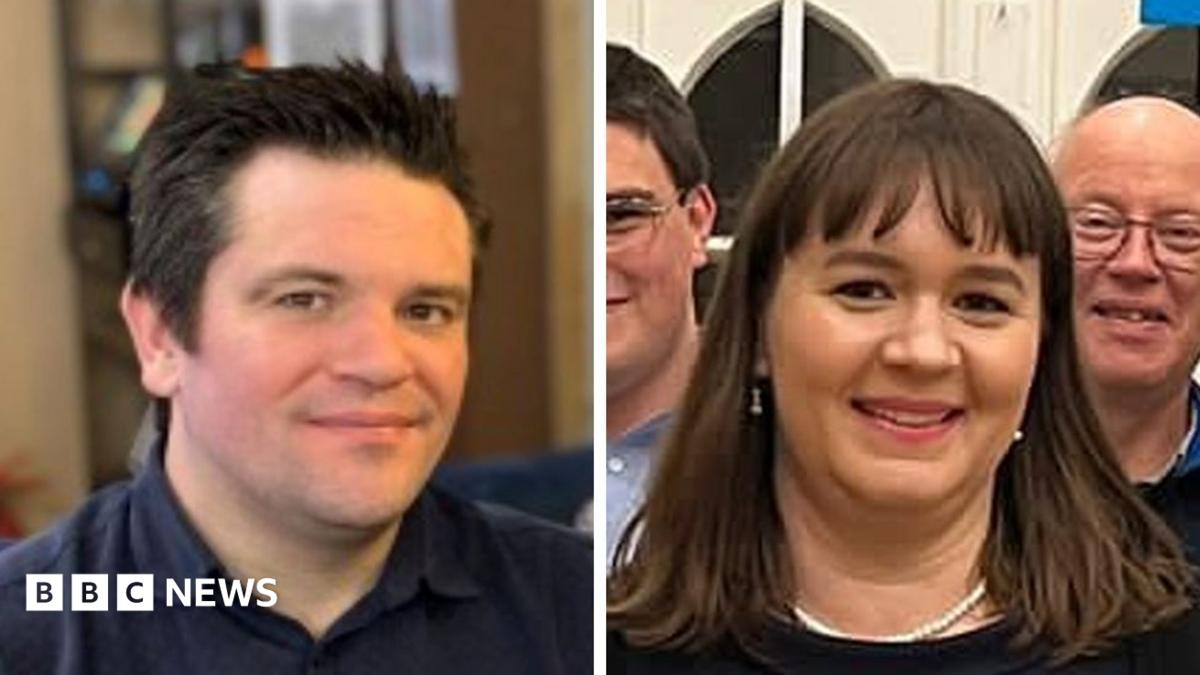
- In Stafford, Green cabinet member Tony Pearce faces potential removal if he refuses to comply with Labour's demand.
- Labour's NEC holds final authority over whether power-sharing arrangements continue.
- The controversy originates from a conference-passed motion linking Zionism to Palestinian disenfranchisement.
- Green Party leader Zack Polanski has said he wants the motion amended at a future conference.
- Labour councillors require NEC approval to enter local tie-ups, per party rulebook.
- The Green Party allows local groups to decide independently whether to share power locally.
Conclusion
As the Sunday deadline looms, the future of Green-Labour partnerships hangs in the balance. The outcome will not only reshape local politics in several English districts but also signal how the UK left navigates contentious geopolitical issues at the council level. Whatever the result, the episode highlights the challenge of balancing ideological positions with effective governance.


Discussion
Join the conversation
Thoughtful reactions, questions, and follow-up ideas help shape the next story.